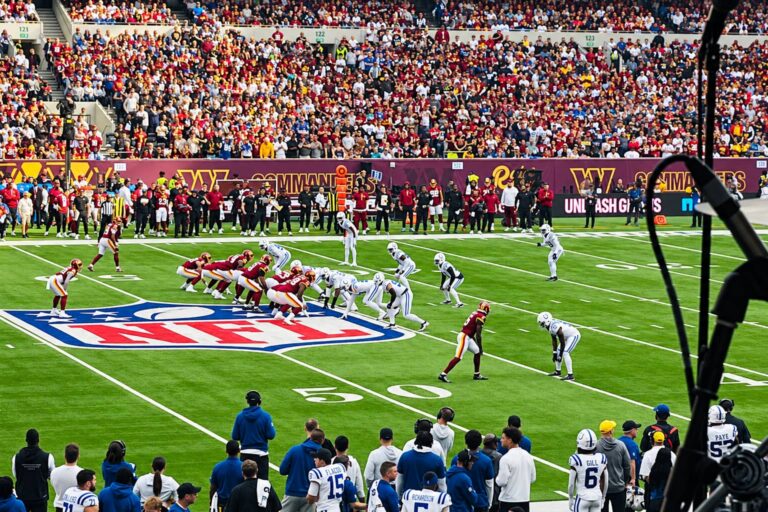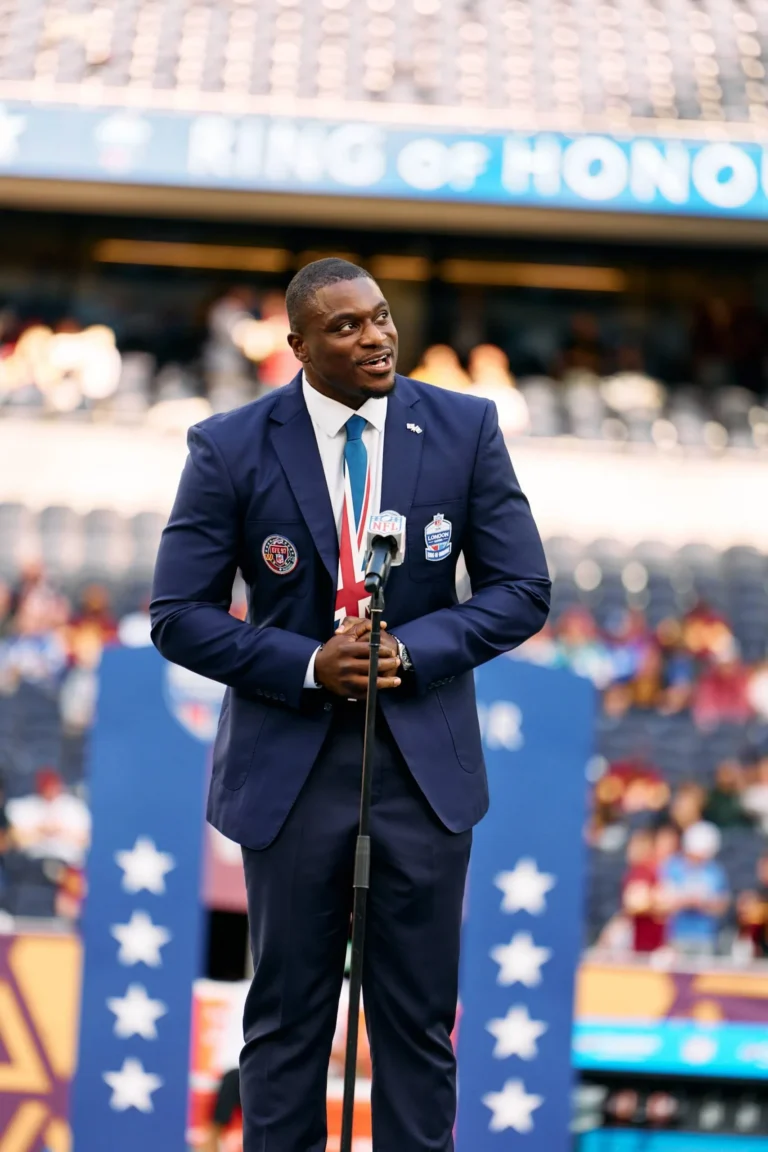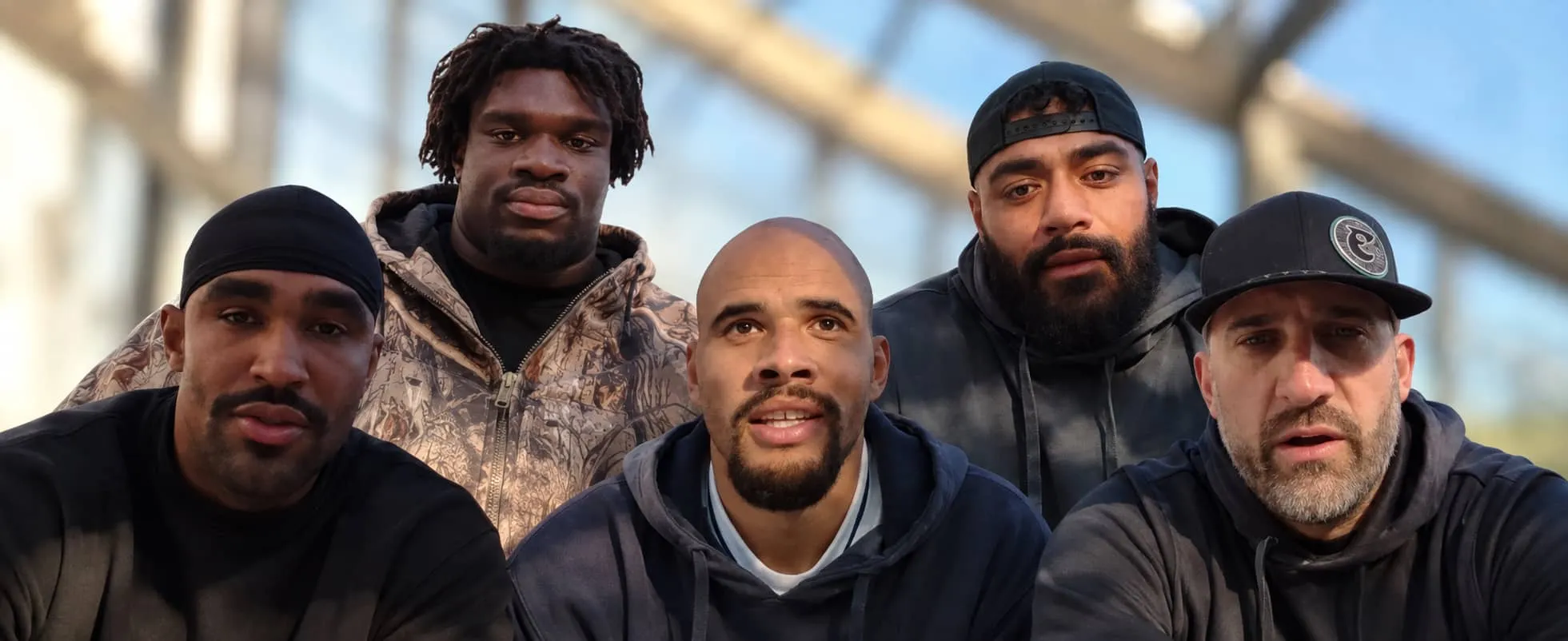
With key players unavailable and an offensive line reshuffled, the Philadelphia Eagles face a demanding test in London. Ahead of their clash with the Jacksonville Jaguars, Nick Sirianni and his players explain how preparation, adaptability and shared responsibility help them navigate uncertainty.
The Philadelphia Eagles arrive in London facing a problem familiar to anyone who has prepared carefully for an important challenge, only to discover that circumstances have changed almost overnight.
For Nick Sirianni’s team, the disruption has been considerable.
Veteran right tackle Lane Johnson announced his retirement on Tuesday, while centre and guard Cam Jurgens was traded to the Baltimore Ravens the following day. Running back Saquon Barkley and wide receiver DeVonta Smith have both been ruled out of Sunday’s game against the Jacksonville Jaguars with hamstring injuries, adding to Philadelphia’s personnel problems.
The Eagles, who have lost their last two games, must now find a way to perform with unfamiliar combinations, reduced experience in important positions and limited time to adjust.
Sirianni and his senior players have responded by emphasising preparation, adaptability and shared responsibility. Their comments offer an insight into how professional athletes attempt to maintain confidence when the conditions supporting their performance become less predictable.
There are no guarantees that those habits will deliver victory. But the principles behind them extend beyond the football field.
Preparing before opportunity arrives
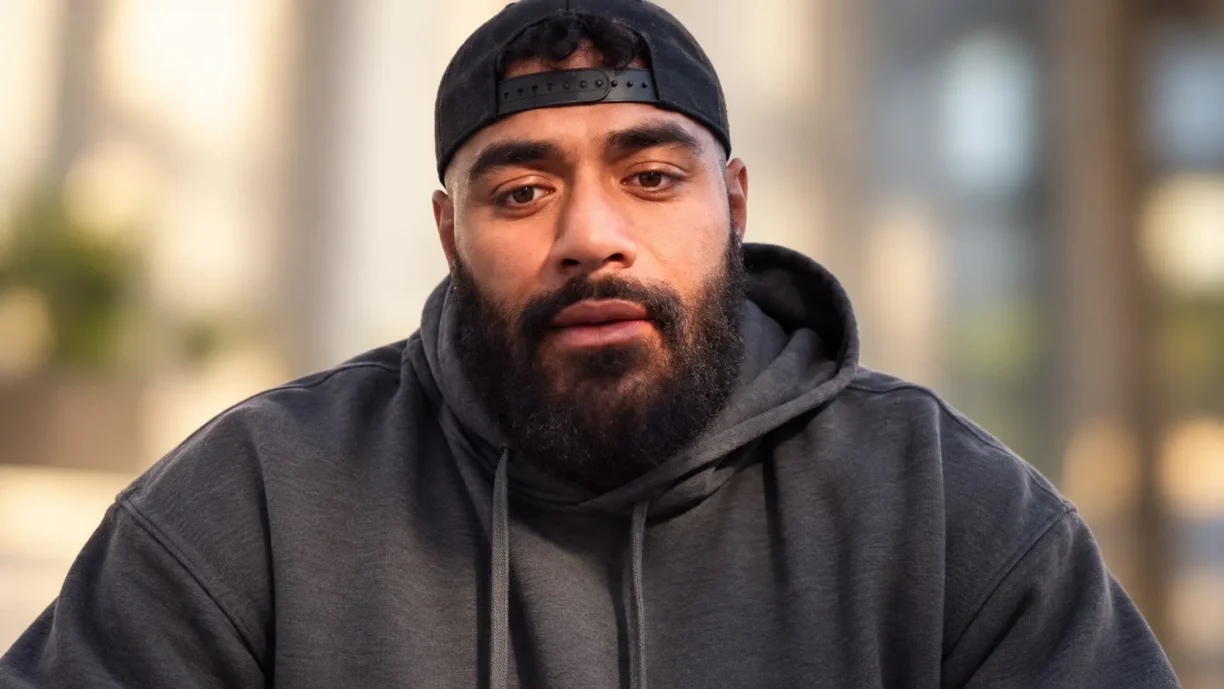
For offensive tackle Jordan Mailata, readiness begins long before a player is called upon to start.
Philadelphia’s reshuffled offensive line is expected to include Willie Lampkin at left guard, Jake Majors at centre and rookie Markel Bell at right tackle. Bell has already made his first NFL start, while Lampkin and Majors are preparing for potentially significant responsibilities against Jacksonville.
Mailata believes developing players need exposure to demanding situations before they encounter them in competition.
That means additional repetitions after scheduled practice, working alongside established starters and rotating personnel to develop familiarity with different combinations.
The objective is to make unfamiliar responsibilities less intimidating when circumstances suddenly demand them.
Mailata understands that process from experience. Having entered the NFL without a background in American football, he developed under the guidance of established teammates. Now one of Philadelphia’s most experienced offensive linemen, he sees mentoring younger players as an important part of his role.
His relationship with Lampkin illustrates that approach.
Despite concerns about his size for the position, Lampkin has demonstrated a willingness to contribute on special teams rather than simply wait for an opportunity on the offensive line.
Mailata has encouraged him to turn those doubts into motivation while recognising that mistakes are inevitable.
A poor play cannot be allowed to occupy a player’s attention when the next assignment is approaching.
It is a practical distinction between acknowledging an error and allowing it to affect everything that follows.
Resilience is not the absence of mistakes
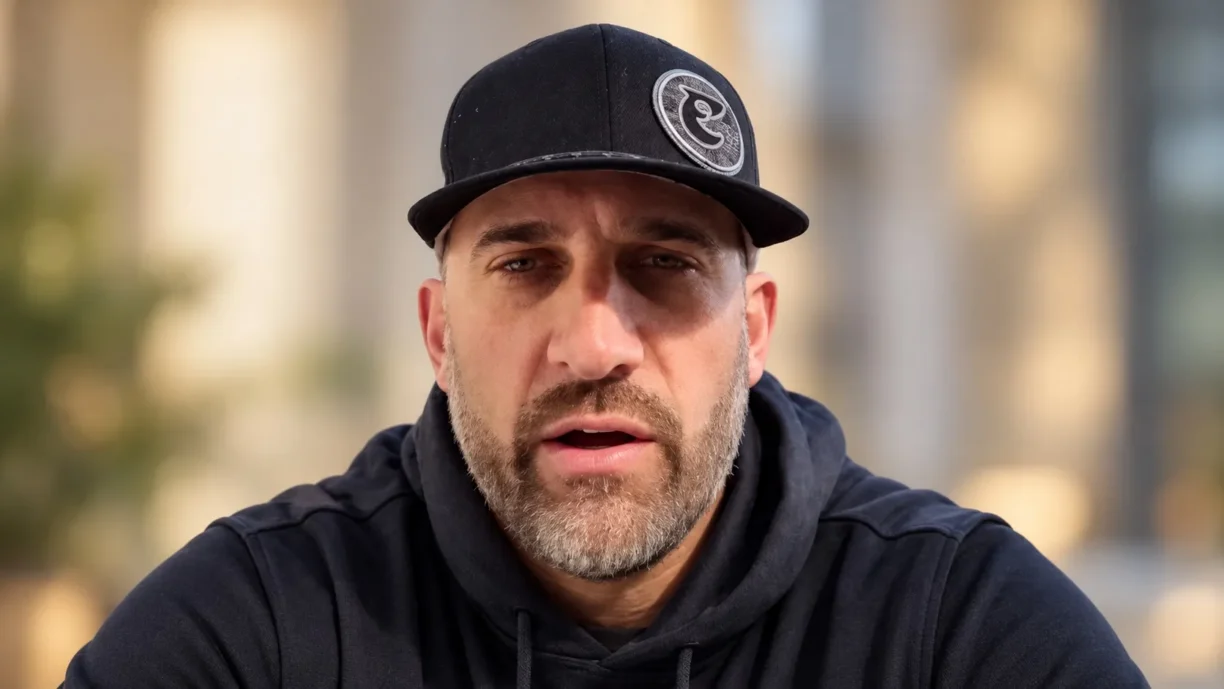
Sirianni has taken a similarly pragmatic approach to the adversity confronting his team.
Reflecting on challenges throughout his coaching career, he has described how difficult experiences contributed to his development and sometimes strengthened relationships within a squad.
He has also pointed to previous seasons in which Philadelphia recovered from disappointing starts to pursue more ambitious objectives.
His argument is not that setbacks are desirable or that hardship automatically produces improvement. Rather, the response to an unfavourable result matters more than treating it as a permanent judgement on a team’s ability.
Linebacker Zack Baun approaches that responsibility through detailed review.
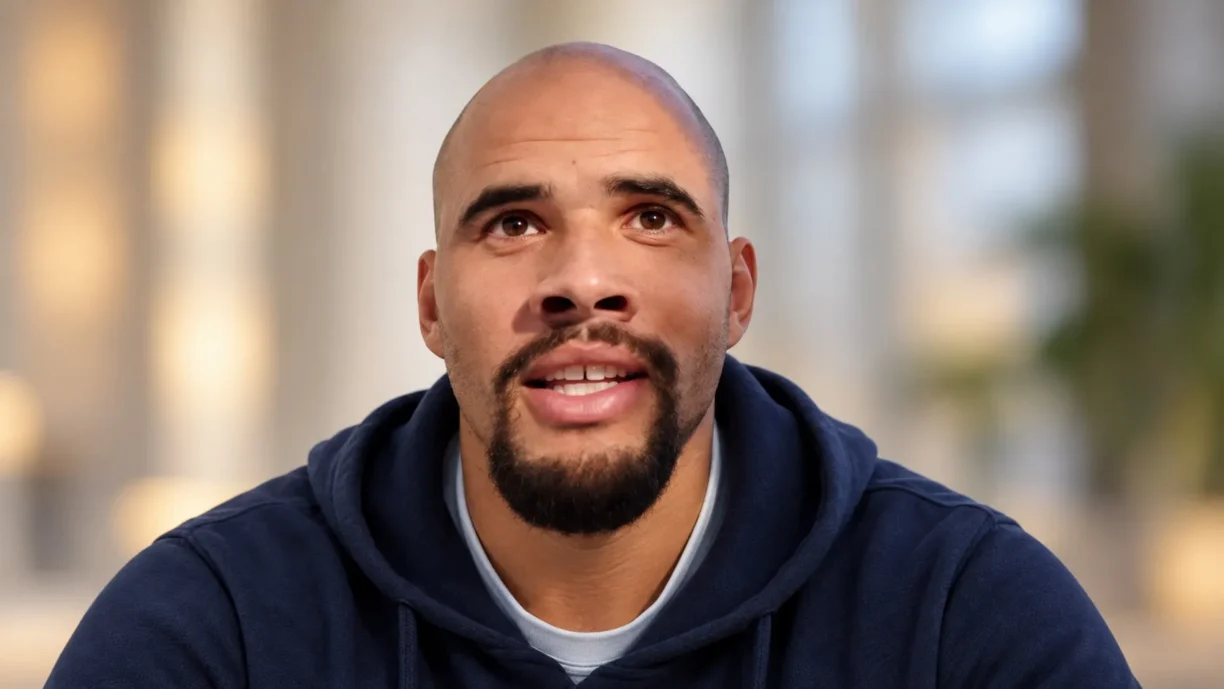
Following Philadelphia’s uneven start, Baun has emphasised studying match footage, identifying successful decisions, acknowledging mistakes and applying those lessons to the next performance.
Defensive tackle Jordan Davis has expressed a similar view, treating each game as an opportunity to correct problems rather than remain preoccupied with what happened previously.

These approaches share an important feature: they direct attention towards actions that remain within the players’ control.
Neither requires pretending that disappointment does not exist. The challenge is to learn from it without allowing it to become a distraction.
Jalen Hurts and the demands of constant adaptation
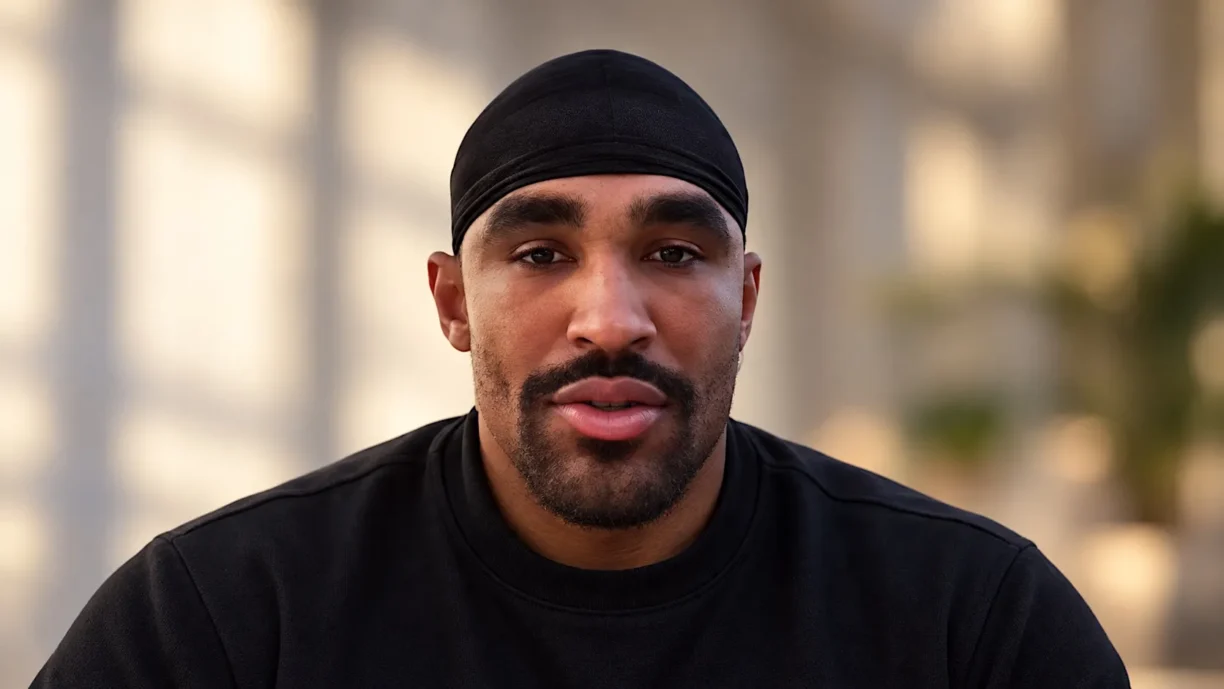
Quarterback Jalen Hurts faces perhaps the most complicated version of Philadelphia’s current challenge.
His career has already involved multiple offensive coordinators, changing coaching relationships and adjustments to the personnel around him. This season has brought another new system under offensive coordinator Sean Mannion, alongside substantial disruption to the offensive line.
The retirement of Johnson and departure of Jurgens have made that task more demanding.
For a quarterback, changes in protection involve more than remembering assignments. Effective execution depends on timing, communication and trusting teammates to recognise responsibilities under pressure.
During preparations for Jacksonville, Hurts acknowledged the frequent changes across the offensive line but maintained confidence in the group’s ability to adapt.
His broader response to changing coaching arrangements has been to regard them as opportunities to develop his understanding of the game.
Working with different approaches has encouraged him to examine his preferences, refine his decision-making and become clearer about the kind of quarterback he wants to be.
His attitude towards adversity follows the same pattern.
Rather than presenting difficult experiences primarily as opportunities to prove critics wrong, Hurts has emphasised his commitment to football, his willingness to learn and his responsibilities towards teammates.
That perspective does not remove the expectation to perform. It changes where his attention is directed.
The principle is recognisable outside professional sport. Anybody adapting to a new coach, training programme or demanding responsibility must learn to rebuild familiarity while expectations continue.
Confidence cannot always depend upon circumstances remaining comfortable.
Leadership does not require the loudest voice
Philadelphia’s experienced players also demonstrate that leadership can take different forms.
Baun does not regard delivering speeches as the defining characteristic of an effective leader.
Having worked alongside teammates with contrasting personalities throughout his NFL career, he prefers to influence others through consistent behaviour, preparation and individual relationships.
He sees value in connecting people within the squad and believes that speaking less frequently to the entire group can give those occasions greater significance.
Mailata’s approach reflects a similar understanding.
His responsibility extends beyond performing his own assignments. Through practice habits, preparation and mentoring, he wants younger linemen to recognise the standards expected of them.
Neither approach relies upon a particular personality type.
Instead, both suggest that stability can emerge from everyday behaviour and the relationships developed before difficulties arise.
That becomes especially important when experienced personnel are suddenly unavailable.
London changes the surroundings, not the objective
The international fixture introduces another test of Philadelphia’s routines.
The Eagles chose to travel from Philadelphia on Friday ahead of Sunday’s game at Tottenham Hotspur Stadium, leaving relatively little time to adjust to the five-hour time difference.
Sirianni has explained that the organisation considered previous international experiences and examined how other teams approached travel before settling on its arrangements.
The decision attracted scrutiny, but his emphasis remained on following a considered preparation process rather than assuming any particular schedule could guarantee success.
It reflects a principle he has previously illustrated through basketball.
A player attempting a free throw in a hostile arena must contend with noise, pressure and distraction. Yet the immediate responsibility remains familiar: follow the established routine and execute the shot.
For Sirianni, the surrounding circumstances should not become more important than the task itself.
Davis has expressed a similarly straightforward attitude towards the London fixture. Although international travel brings logistical demands, the game remains another opportunity to compete, review performance and improve.
The surroundings have changed. The responsibilities have not.
That distinction captures much of Philadelphia’s approach to an unsettled week.
Young players have been encouraged to prepare before their opportunities arrive. Senior teammates have assumed greater responsibility for maintaining standards. Mistakes are treated as material for improvement rather than reasons to abandon confidence.
None of these observations constitutes a clinically validated programme for developing psychological resilience. They are accounts of how experienced athletes approach uncertainty within the particular demands of professional football.
Their wider relevance lies in the practical habits they describe, not in any promise that adopting the same outlook will guarantee success.
Philadelphia must still translate those habits into performance against a Jacksonville side arriving with three wins from its opening four games.
Preparation has helped the Eagles navigate an extraordinary week. On Sunday, they will discover how well that preparation holds up when the next snap demands an immediate response.