And more than one in ten Brits haven’t had sex in over three years
Over one in ten Brits haven’t had an intimate sexual experience, from a kiss to sex, for more than three years, according to research from LELO UK — a statistic chilly enough to make a hotel minibar look emotionally available.
The sexual wellness brand’s Sex Census, based on research and insights into the intimate lives of Britons in 2020, paints a rather blunt picture of modern desire under pressure. The great British libido has not so much left the building as become trapped under emails, anxiety, body image worries, childcare, fatigue and the sort of domestic routine that can make a Tuesday evening feel like a tax return with cushions.
At the heart of it is the so-called UK sex slump: less a scandalous collapse of national passion, more a deeply human collision between stress, self-image, health, hormones, work and the weird psychological weather of pandemic life.
Britain’s Sex Slump Has A Very Familiar Culprit: Exhaustion
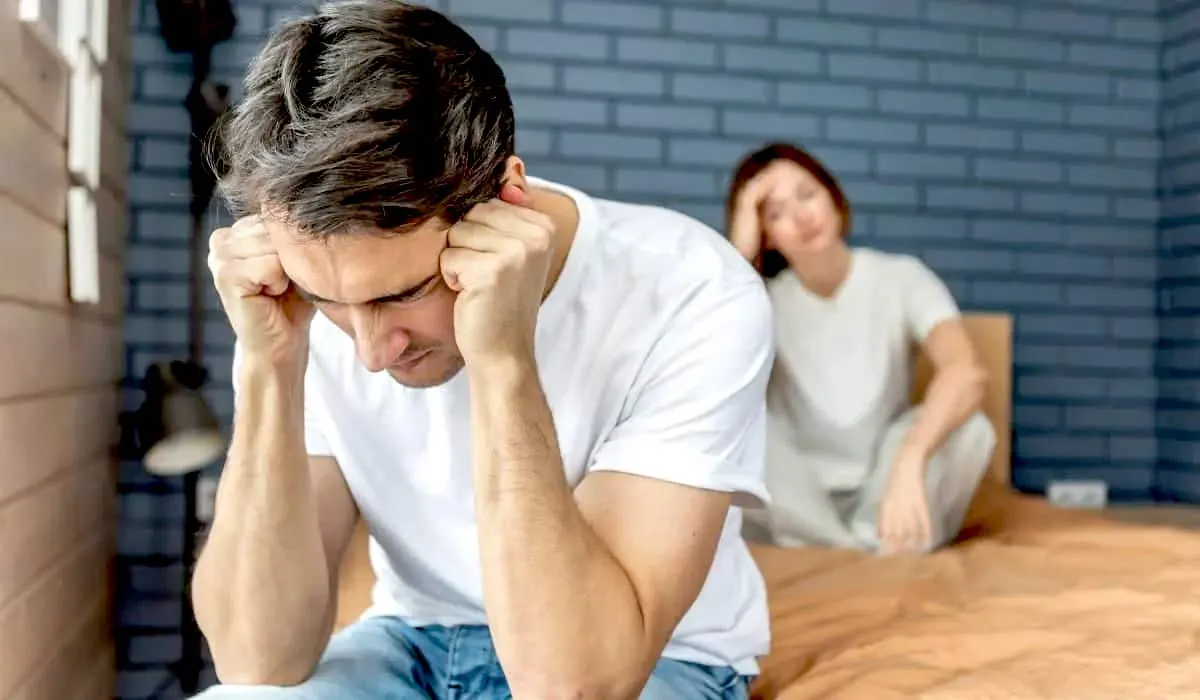
The leading reason given by respondents was tiredness, cited by 35.7% of those surveyed as negatively affecting their sex lives.
This will surprise absolutely no one who has ever tried to feel alluring after a day of video calls, laundry, delayed trains, unread messages and the low-level dread of seeing “quick catch-up?” land in the diary at 5.47 pm.
Modern life has become a masterclass in being permanently available and rarely present. Work has leaked into the kitchen. Screens have followed us into bed. The phone, once a communication device, is now the least romantic third wheel since someone brought a spreadsheet on a minibreak.
LELO UK’s sex and relationship expert Kate Moyle points to precisely that blurring of boundaries: home, work, parenting and rest all folded into the same space until the bedroom stops feeling like a sanctuary and starts feeling like an office with a duvet.
Mental Health, Body Image And The Private Weather Of Desire
Poor mental health was cited by 33.6% of respondents as having a negative impact on their sex lives, with stress, depression and anxiety among the issues named.
That detail matters. Sex is often lazily framed as a matter of opportunity or appetite, when desire is usually far more complex. It depends on safety, confidence, mood, connection, energy and the ability to step out of one’s own head for long enough to notice another person in the room.
Body image came close behind, with 25% saying negative body image or low body confidence had affected their sex lives. Among under-35s, the figure was higher than 30%, with the source material suggesting the increased role of social media may be part of the picture.
It is hard to feel relaxed in your own skin when everyone else’s appears to arrive filtered, lit, angled and apparently sponsored by perfect genetics. Intimacy asks people to be seen. Social media has trained plenty of them to inspect themselves instead.
Low Libido, Ageing And The Gap Between Expectation And Reality
Low libido was cited by 19.4% of those surveyed, while 18.3% said ageing had affected their sex lives.
Neither should be treated as a punchline. Libido is not a permanently glowing pilot light. It shifts with health, hormones, stress, medication, sleep, confidence and relationship dynamics. The trouble is that many people inherit narrow, outdated ideas about how sex is supposed to happen, then assume something is wrong when real life refuses to follow the script.
Ageing brings its own changes. The source material notes that men may experience a decrease in testosterone as they age, while for women, menopause can bring symptoms that affect arousal, body confidence and physical comfort.
Menopause itself was cited by 14.5% of women surveyed as having a negative impact on their sex lives.
Gynaecologist Dr Shree Datta, working with intimate wellbeing brand INTIMINA, confirms that menopausal symptoms vary widely from woman to woman, both in severity and duration. Common symptoms include hot flushes, night sweats, vaginal dryness, mood changes, fatigue, difficulty sleeping, pain during sex, headaches, a drop in libido and joint or muscle pain. Changes in periods may also occur in the lead-up to menopause.
There is nothing especially mysterious here, but there is still too much silence. And silence, in matters of intimacy, tends to be about as useful as a sand wedge in a canoe.
Work Pressure And The Bedroom With A Laptop In It
Work pressure was named by 16.1% of those surveyed as another reason their sex life had suffered.
Again, hardly a shock. When the laptop lives on the kitchen table and notifications keep twitching like a nervous caddie, the idea of “switching off” becomes almost quaint. The pandemic intensified that problem by dissolving the old borders between professional and personal life.
The commute disappeared for many people, but so did the decompression. Instead of leaving work, they simply closed one tab and opened another. Romance, unsurprisingly, does not always flourish under fluorescent task lighting and the emotional aftertaste of a Teams meeting.
Medication, Performance Anxiety And Children: The Other Mood-Killers
Medication was cited by 12.6% of respondents, with the source material noting that SSRIs, widely used antidepressants, can have sexual side effects including reduced libido and changes in sexual functioning.
Performance anxiety affected 9.4% of respondents. It is, as Moyle notes, one of the common reasons people seek psychosexual therapy. The issue is not merely individual nerves, but the wider cultural nonsense around sex: the expectation that everyone should be spontaneous, confident, technically accomplished and permanently ready, preferably with mood lighting and no lower-back pain.
Children were cited by 11% of those surveyed as having a negative impact on sex lives. This is less an accusation against children and more a recognition that parenting is not always compatible with uninterrupted adult connection. Especially during lockdown, when many households became schools, offices, restaurants, soft-play centres and emotional containment units all before lunchtime.
Kate Moyle On Lockdown, Desire And The Bedroom Losing Its Boundaries
Kate Moyle, Sex and Relationship expert at LELO UK, comments: “We have seen people reporting a real shift in their sex lives during lockdown and the pandemic, which for many couples exacerbates the struggles that they are already having.
For those not living together, there is the physical barrier of distance between them and their partners, meaning that their sex life may have to move from physical to virtual.
And for those in lockdown together, many are reporting a lack of desire. This doesn’t seem surprising when we acknowledge that there is little difference or distance to speak of, and the bedroom which previously may have been a boundaried space for sleep and sex has taken on a new meaning with us parenting/working/living all in the same space.
For many of us being at our computers all day, homeschooling children and very few outlets apart from Netflix ( more screen time ) offers us little opportunity to trigger desire or sexual moments; and there is little new input to help us break up routines, which in our sex lives it’s very easy to fall into and don’t motivate us to have more sex.”
It is a refreshingly practical diagnosis. Desire often needs contrast: closeness and space, familiarity and novelty, comfort and curiosity. Lockdown gave many couples closeness without distance, routine without relief, and togetherness without much spark. That is not intimacy. That is being trapped in a very small play with too many props.
How Couples Can Start Rebuilding Intimacy
Moyle’s first piece of advice is communication. Not hinting. Not sulking with theatrical dignity. Actual communication.
Partners may feel close, but they are not mind-readers. If desire has shifted, sex has become painful, confidence has dipped or life has simply become too heavy, saying so clearly is often the first useful move.
Lubricant is another practical tool, particularly where vaginal dryness or discomfort are present. LELO’s Personal Moisturiser is described as a dual-purpose, water-based lubricant suitable for use with a partner or alone, helping to reduce friction and discomfort.
Masturbation, orgasm and sex toys may also play a role in helping people reconnect with their own bodies. The source material notes that some professionals recommend masturbation and orgasm as a way of increasing blood flow to the genitals, while vibrators have been shown to increase vascularity. LELO’s SILA is referenced as offering gentle sonic waves for clitoral stimulation, either solo or with a partner.
There is also a wider point here: pleasure does not begin and end with genitals. Erogenous zones exist across the body, and touch, massage and exploration can help couples rediscover intimacy without treating sex like a task to complete before bedtime.
Apps such as Ferly are also mentioned for audio-guided exercises, including a “Body Scan”, along with sensual stories designed to help users connect with their bodies and imagination.
A Very Human Problem, Not A Moral Panic
The LELO UK Sex Census is striking not because it reveals that Britain has become uniquely passionless, but because it captures something more recognisable: people are tired, anxious, overworked, self-conscious, hormonally complicated, medically affected, digitally distracted and often too polite or embarrassed to talk about any of it.
For the 12% who haven’t had an intimate sexual experience for more than three years, the story is not simply about sex. It is about connection, confidence, health and the modern difficulty of being present in a life that keeps demanding more.
The good news, if one can call it that, is that intimacy rarely disappears in a puff of smoke. More often, it gets buried. Under fatigue. Under silence. Under stress. Under the laundry.
And sometimes the first step back is not grand passion at all. It is a conversation, a closed laptop, a little honesty and the radical decision to leave the phone outside the bedroom for once.