Fitness is usually measured in miles, reps and recovery stats. But circulation does a great deal of the unglamorous work that keeps active bodies moving well.
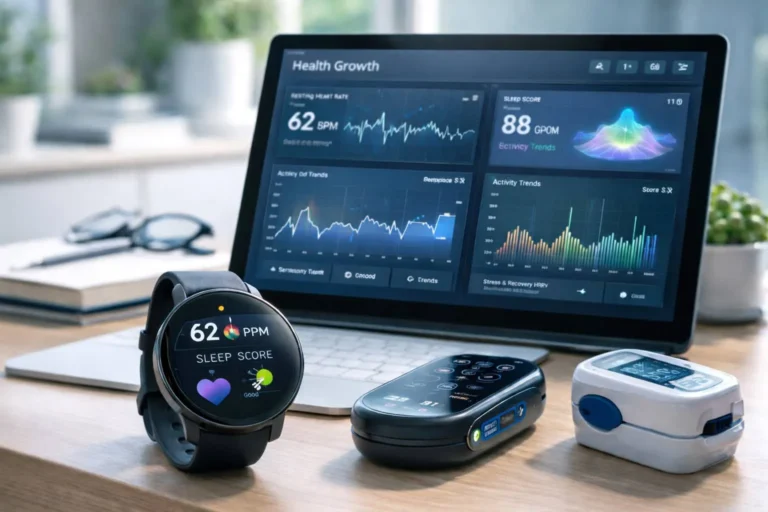
Fitness has a habit of making heroes out of the obvious stuff. The bigger lift. The faster split. The tidy little graph on a watch telling you that, yes, you did suffer in a numerically impressive fashion.
Vascular health rarely gets the same treatment. It is not as easy to post about as a deadlift or as satisfying to track as a 10K time. Yet the circulatory system is doing a lot of the work behind the curtain. Muscles need oxygen and nutrients. They also need a way of shifting the by-products of effort away from active tissue. Without that delivery and clearance system, performance soon becomes less heroic and more of a negotiation.
That matters because proper fitness is not really a four-week challenge or one triumphant Saturday morning. It is the ability to keep moving, recovering and adapting over months and years. In that longer view, blood vessels are not background plumbing. They are part of the infrastructure.
Why Circulation Belongs In The Fitness Conversation
Vascular health refers to the condition and function of the body’s blood vessels, including arteries and veins. Arteries carry oxygen-rich blood from the heart to the tissues. Veins help return blood back towards the heart.
During exercise, demand rises. Working muscles require greater blood flow, and the cardiovascular system responds by adjusting circulation to meet that demand. Regular activity can also support useful adaptations in the cardiovascular and vascular systems, which is one of the reasons movement remains central to long-term health.
None of this means good circulation magically turns someone into an endurance machine. Performance is messier than that. Training history, sleep, nutrition, genetics, strength, technique, aerobic capacity and recovery all have their say, often loudly. But vascular function is one of the conditions that allows the rest of the system to do its job.
Ignore it completely and you are missing part of the picture.
The Particular Problem Of Legs
For walkers, runners, cyclists, hikers, gym-goers and anyone who spends a sizeable chunk of life standing, the legs deserve special attention.
Leg veins have to help return blood towards the heart while working against gravity, which is a decent assignment before you add commuting, desk work, travel, training sessions or long days on your feet. The muscles of the lower legs assist this process when they contract during movement. That is one reason regular movement through the day matters, not just the neatly scheduled workout.
Someone can train for 45 minutes in the morning and still spend most of the remaining day almost motionless at a desk. The workout counts, of course. But it does not cancel out the value of breaking up long spells of sitting.
Small habits can help build a more circulation-friendly day: standing periodically, taking short walks, using the stairs where practical and finding reasons to move between longer blocks of work. The point is not to turn the office into an endurance event. It is simply to remember that the body generally prefers movement to being parked for hours at a time.
Symptoms That Should Not Be Brushed Aside
Fitness culture can be strangely proud of discomfort. Some of that is reasonable. Effort is part of training. Heavy breathing, tired muscles and the occasional grim conversation with a hill are all within the usual terms and conditions.
Persistent leg symptoms are different.
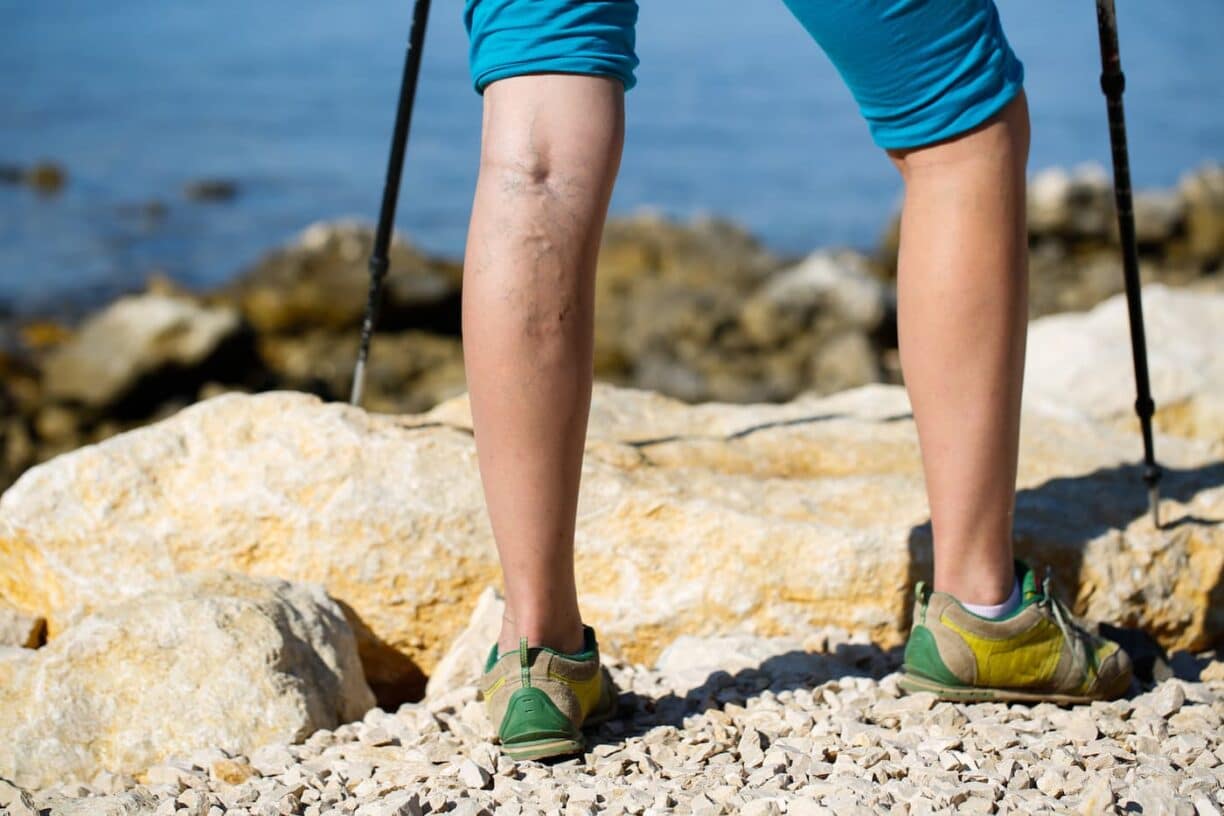
Aching, swelling, heaviness, cramping, itching or fatigue in the legs can be associated with vein problems, including venous insufficiency and varicose veins, according to the supplied information from Texas Vein Experts. That does not mean every uncomfortable leg is a vascular case waiting to be diagnosed. There are many possible causes of pain or fatigue, and only a proper medical assessment can establish what is going on.
Still, symptoms that keep returning, interfere with normal activity or continue outside exercise deserve more than a shrug. For someone trying to stay active, persistent leg discomfort can change behaviour. A person may walk less, avoid training, skip certain exercises or gradually become less consistent without quite admitting why.
That is where the fitness issue becomes a quality-of-life issue. Sustainable movement depends on the body feeling able to participate.
For residents with ongoing concerns such as leg heaviness, swelling, aching, varicose veins or related symptoms, it may be appropriate to see experienced vein doctors in The Woodlands as part of a professional evaluation. The purpose is not to assume a diagnosis, but to understand what may be contributing to the symptoms and whether monitoring or treatment is appropriate.
Recovery Is Not An Optional Extra
The old temptation is to treat recovery as the quiet bit between the real work. That is a mistake. Training creates the stimulus; recovery is where the body adapts.
Sleep, hydration, nutrition, rest days and sensible training progression all matter. Circulation sits inside that recovery picture because blood carries oxygen and nutrients throughout the body and supports the normal repair and maintenance of tissues.
This is especially relevant for people who keep adding volume because they are motivated. Motivation is useful, but it is not a medical degree and it is not a substitute for listening to the body. If mileage, duration or intensity rises faster than someone can comfortably adapt, training can become harder to sustain.
The aim is not caution for its own sake. It is progress that lasts.
Strength, Endurance And The Other 23 Hours
Endurance work places obvious demands on the cardiovascular system. Running, cycling, swimming and hiking all require the body to deliver oxygen efficiently over time. Strength training is just as valuable in its own way, supporting movement, function and everyday resilience.
The two should not be treated as rival camps. Strength and cardiovascular health complement each other, and most people benefit from a mix of resistance work, aerobic activity and ordinary daily movement.
The last of those is easy to underestimate. Fitness does not exist only during the hour marked “training”. Work habits, footwear, sleep, commuting, travel and the simple question of how much someone moves between formal exercise sessions all shape the body they are asking to perform.
A realistic fitness plan looks beyond the workout and asks what the rest of the day is doing.
The Longer View
The most useful fitness routine is not necessarily the one that produces the sharpest short-term transformation. It is the one a person can repeat, adjust and carry with them as life changes.
That means mixing types of movement, building in recovery, paying attention to symptoms that persist and taking everyday activity seriously. It also means understanding that performance is not only a number on a tracker. How comfortably you walk, how well you recover and how consistently you can train are all pieces of evidence.
Vascular health belongs in that conversation because circulation supports movement, exercise and recovery. It is not glamorous, but then most important things in the body are not especially interested in glamour.
For anyone who wants to stay active for years rather than weeks, that is the useful perspective. Fitness is not just about what the body can be made to do today. It is about keeping it capable enough to turn up again tomorrow.