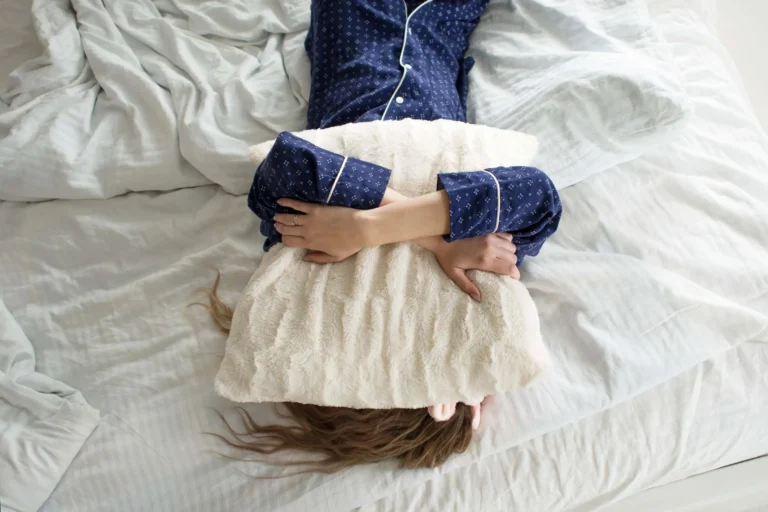
New research involving older military veterans with PTSD found that 94% had poor sleep quality before taking part in an exercise trial. The findings raise an important question about recovery: what happens when sleep remains disturbed, even as other symptoms are being addressed?
For someone living with post-traumatic stress disorder (PTSD), getting through the day can be difficult enough. But reaching the end of it does not necessarily mean finding relief.
Trauma-related nightmares can bring an abrupt end to sleep. Waking in a heightened state of alertness can make settling down again difficult, while repeated interruptions leave little opportunity for proper rest.
And even when other aspects of PTSD begin to improve, a decent night’s sleep may remain elusive.
New research published in October 2026 has added to the discussion, examining sleep outcomes among older military veterans with PTSD. Its findings suggest that sleep disturbance deserves attention in its own right, rather than being treated simply as another symptom that will improve alongside everything else.
Poor Sleep Was Widespread Before the Study Began
The researchers examined 48 older veterans with PTSD who participated in a 12-week pilot randomised trial comparing supervised exercise with a waitlist control group.
Participants were 67.5 years old on average. At the beginning of the trial, 94% met the study’s threshold for poor sleep quality.
That is a striking figure, although it needs context. This was a small, selected group of veterans already participating in PTSD research, not a representative survey of military veterans generally.
The finding nevertheless illustrates the extent of sleep disturbance within this particular group.
It also raises a question about how recovery is assessed. If someone experiences improvements in their PTSD symptoms but continues waking repeatedly during the night, how much has their everyday quality of life changed?
Sleep quality, in other words, is worth measuring directly.
What Other Research Tells Us About PTSD and Sleep
The October findings sit alongside earlier research examining differences in sleep between military personnel with and without PTSD.
A study published in 2025 involving 130 military personnel with PTSD and 65 healthy military controls found measurable differences between the groups.
On average, those with PTSD took 14.1 minutes longer to fall asleep and spent an additional 9.1 minutes awake after initially drifting off. Their sleep efficiency was also 6.6% lower.
Sleep efficiency describes the proportion of time spent in bed that is actually spent asleep. Someone can therefore spend several hours in bed without getting the continuous rest they need.
The 2025 researchers also found an association between greater sleep fragmentation and more severe PTSD symptoms.
That does not establish which causes the other. It does, however, show why the relationship between PTSD and disrupted sleep deserves closer investigation.
Could Exercise Help Veterans Sleep Better?
The October 2026 analysis explored whether supervised exercise might make a difference.
Researchers reported medium-sized differences favouring the exercise group for overall sleep quality and daytime dysfunction, with smaller differences across other aspects of sleep.
Daytime dysfunction matters because the consequences of a disturbed night do not necessarily end when morning arrives. Poor sleep can affect energy and the ability to manage ordinary activities.
The exercise findings were encouraging enough to warrant further investigation, but they were not conclusive.
With only 48 participants in the pilot trial, the analysis could not confidently rule out chance as an explanation for the observed differences. It would therefore be premature to present supervised exercise as an established treatment for PTSD-related sleep disturbance on the strength of these results.
There was another finding worth considering. The researchers found no evidence that reductions in overall PTSD symptom severity explained the differences in sleep outcomes.
That does not prove sleep problems develop or improve independently of other PTSD symptoms. It does suggest that measuring general symptom improvement may not tell clinicians everything they need to know about someone’s sleep.
Why Nightmares Need Particular Attention
Poor sleep quality is not a single experience.
For some people with PTSD, falling asleep is difficult. Others may initially sleep without difficulty but wake repeatedly. Trauma-related nightmares can also interrupt sleep, leaving someone alert and struggling to settle again.
These distinctions matter when trying to understand what an individual patient is experiencing.
Dr Imogen Kretzschmar, a clinician at specialist medical cannabis clinic Mamedica, argues that persistent sleep disturbance should not be overlooked simply because other aspects of PTSD appear to be improving.
Assessing whether nightmares continue, how frequently sleep is interrupted and what effect this has during the day can help provide a more complete picture of a patient’s needs.
Importantly, the exercise findings do not establish that the intervention reduces trauma-related nightmares specifically. The results concern broader measures of sleep quality and functioning.
PTSD Recovery Cannot Be Judged By Daytime Symptoms Alone
The research offers no simple solution to PTSD-related sleep problems. The exercise trial was small, its findings preliminary, and further investigation is needed before firm conclusions can be drawn about treatment effects.
What it does highlight is the importance of asking about sleep directly.
For veterans who continue experiencing nightmares or disrupted nights, an individual clinical assessment can help establish which symptoms remain troublesome and whether their current care adequately addresses them.
PTSD recovery is rarely a straightforward process in which every symptom improves together. A person may be making meaningful progress in some areas while still struggling with sleep.
Those difficult nights deserve attention, too.