The wearable technology company has introduced automatic ventilatory threshold detection for runners and cyclists, giving athletes faster access to their training data. Its next ambition is considerably bigger: calculating fitness thresholds without requiring a formal test.
There is something mildly cruel about finishing a demanding fitness test only to discover that the results require another exercise in endurance: patience.
For runners and cyclists using Tymewear threshold tests, that particular frustration should now be considerably shorter. The company has introduced Autodetection technology to its VitalPro platform, allowing athletes to receive their ventilatory thresholds, performance analysis and personalised training recommendations within minutes of completing a qualifying test.
Previously, every test required individual assessment by Tymewear’s in-house specialists. The new system automates that interpretation, giving athletes quicker access to the information they need to structure their next training session.
It is a practical improvement rather than a reinvention of endurance testing. But for athletes whose training depends on knowing precisely how hard to push, getting those numbers while the session is still fresh could prove useful.
Why VT1 and VT2 Matter for Endurance Training
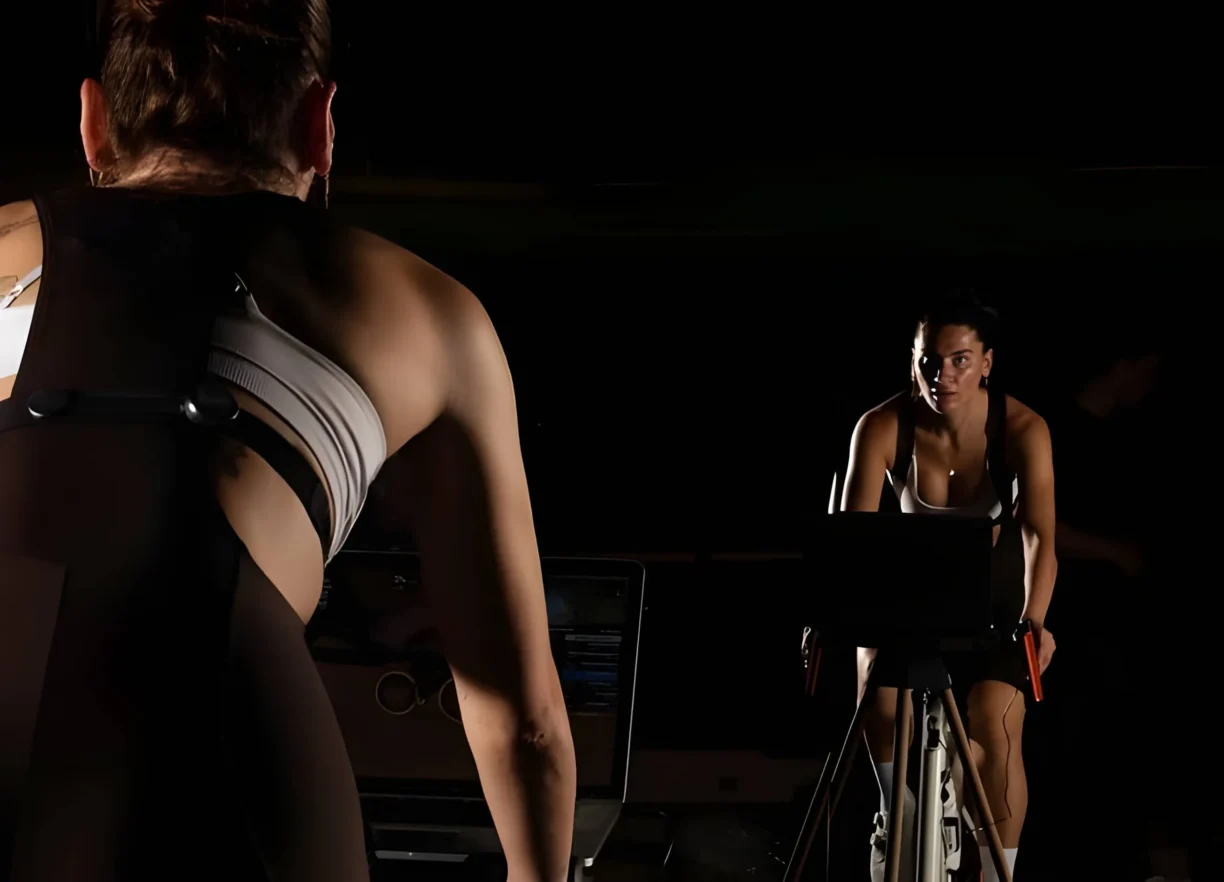
Most runners and cyclists are familiar with training zones, even if they occasionally regard them as suggestions rather than instructions.
The principle is straightforward: different exercise intensities place different demands on the body, and training plans use those distinctions to organise sessions.
Tymewear’s approach focuses on two physiological markers known as ventilatory thresholds, VT1 and VT2.
These thresholds identify changes in breathing behaviour as exercise intensity increases. They provide reference points for establishing training zones around an individual’s physiological response to effort, rather than relying exclusively on generalised heart-rate or power calculations.
That distinction matters because two athletes producing similar heart-rate or power readings may not necessarily be working at the same relative physiological intensity.
Identifying personal thresholds can therefore help athletes and coaches make more informed decisions about training intensity.
Tymewear promotes threshold-based training as a more effective alternative to generic training zones, pointing to research suggesting substantial improvements in fitness. However, the supporting research details are not specified here, and the size of any performance advantage should not be treated as established for every athlete.
The immediate attraction of Autodetection is more straightforward: once an athlete has completed a threshold test, the resulting information becomes available much sooner.
How Tymewear’s Autodetection Technology Works
Automating the interpretation of breathing data is no small undertaking, particularly when the result is intended to inform training decisions.
Tymewear says it has spent the past year validating more than 10,000 threshold tests completed by athletes worldwide. That work, combined with thousands of laboratory tests conducted at its Boston headquarters, has been used to train its automated detection system.
The company’s objective has been to identify VT1 and VT2 with the same accuracy and precision as its own expert reviewers.
Tymewear also claims that VitalPro can measure breathing with up to 97% accuracy compared with laboratory testing, although that figure concerns breathing measurement and should not be interpreted as a demonstrated 97% accuracy rate for automated threshold detection.
The distinction is important. Agreement with experienced human reviewers provides one measure of system performance, while independent comparisons across different athletes and testing conditions would offer additional evidence of reliability.
The technology is also being introduced into an established performance environment. VitalPro is used by endurance athletes and coaches, including those associated with professional cycling team Team Visma | Lease a Bike.
Elements of automated analysis are already available through Tymewear’s Dashboard Performance Metrics Analysis, which examines how breathing and heart rate respond across different effort zones.
Autodetection extends that approach by identifying the two ventilatory thresholds automatically following a running or cycling Threshold Test.
Faster Results, With Human Review Still Available
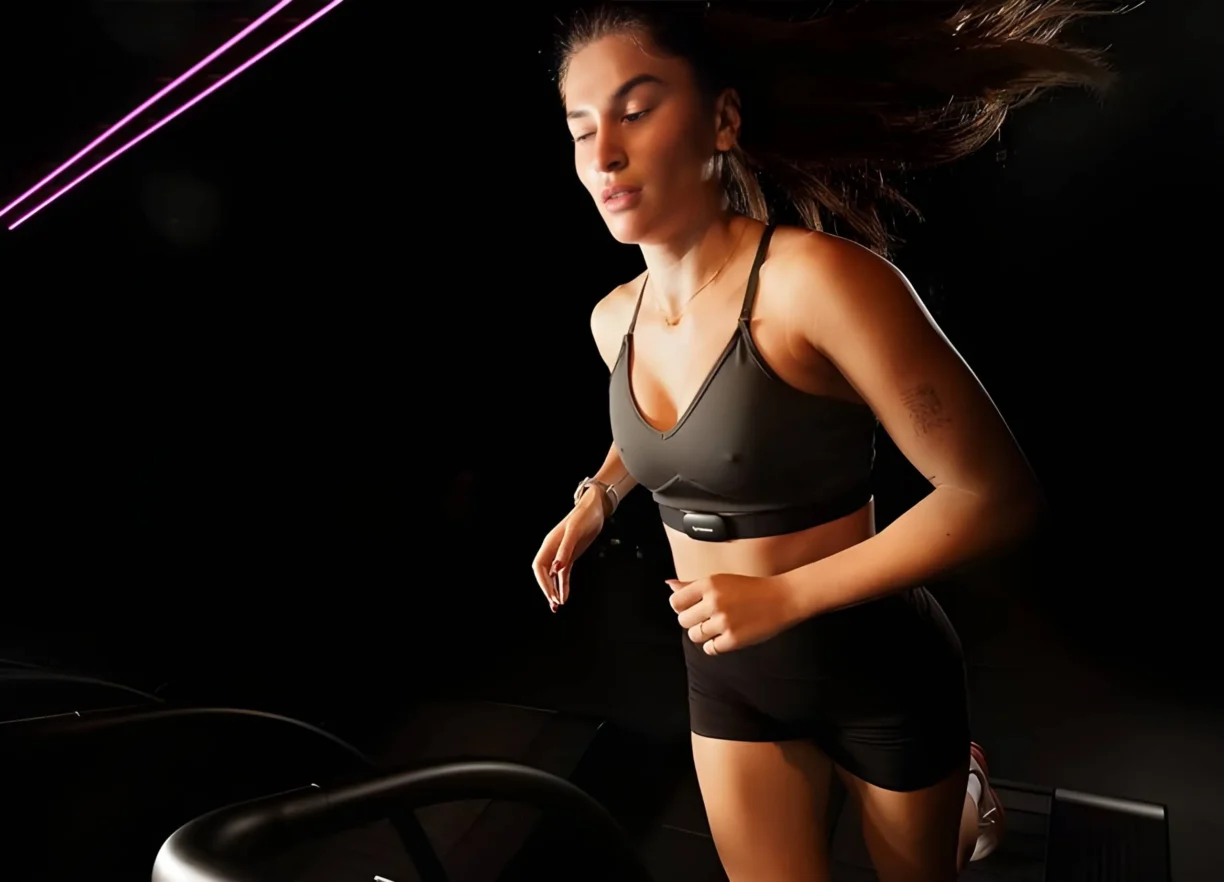
The most noticeable difference for athletes comes after completing the test.
Rather than waiting for an expert to review their performance, users completing a qualifying test can see their threshold results and personalised training recommendations within minutes.
For subscribers to Tymewear’s ProTraining service, the process goes further.
Guided workouts and training plans automatically update to reflect the newly identified thresholds. That means the athlete’s next prescribed session can use their latest measurements without requiring manual changes to the training programme.
There is, however, an important qualification.
Autodetection requires a clean test that follows Tymewear’s testing recommendations. If the system identifies an issue preventing automatic validation, the results are referred for manual assessment.
Athletes can also request a second opinion from Tymewear’s specialists, even when their results have been generated automatically.
Retaining that option is sensible. Automated analysis may speed up routine interpretation, but test quality remains relevant when making decisions based on physiological measurements.
Dynamic Thresholds Could Remove the Need for Testing
Perhaps the more interesting development is the one Tymewear has yet to launch.
Its planned Dynamic Thresholds technology aims to calculate ventilatory thresholds using data collected during an athlete’s recent activities, potentially removing the need to complete a dedicated Threshold Test.
Instead of scheduling a formal assessment, athletes would continue with their normal training while the system analysed their breathing and performance information.
Tymewear intends for those thresholds to update continuously as fitness changes, with the latest estimates informing future workouts.
For athletes whose training varies because of work, family commitments or limited opportunities for structured testing, the prospect is appealing. A system capable of following changes in fitness without demanding another test session could make personalised training easier to maintain.
There are questions still to answer, particularly around how accurately the proposed system can detect physiological changes during ordinary training compared with controlled threshold testing.
Dynamic Thresholds remains in development, with no confirmed release date or detailed validation results provided.
Arnar Larusson, Tymewear’s CEO and founder, sees it as the next stage in making breathing-based training more accessible. “Threshold Tests have always been the foundation of training with breathing, but waiting for results shouldn’t be part of it.
With Autodetection, athletes can finish a test and know their thresholds within minutes. And with Dynamic Thresholds, we’re working towards a world where your thresholds keep up with your fitness automatically, with or without a test.”
For now, fast Threshold Test results are available to Tymewear users completing running and cycling tests, with manual validation retained where necessary.
The technology’s next challenge is more ambitious: determining whether everyday training can eventually provide enough reliable information to make dedicated threshold testing optional.
That would be a more substantial change than simply making the results arrive faster.