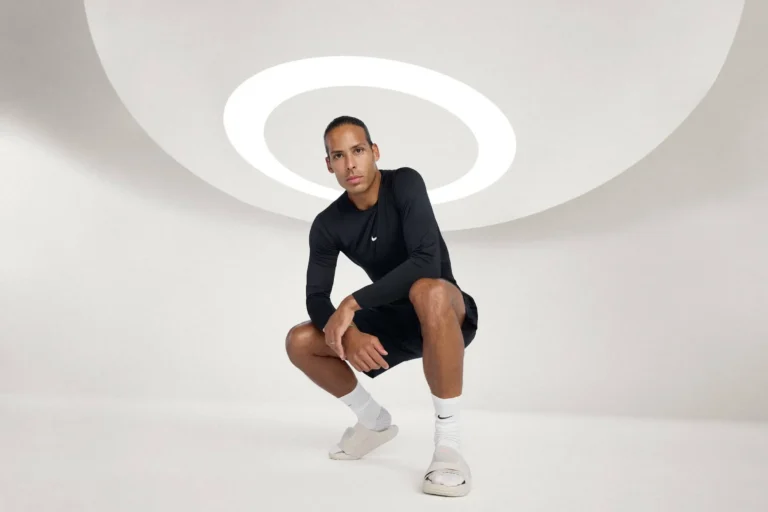
The mountain endurance athlete first used Compex after an injury in 2006. Nearly two decades of experience later, he is renewing his relationship with the brand as it introduces a wireless, app-controlled approach to electrical muscle stimulation.
The finish line gets the photographs. The recovery sessions, rehabilitation exercises and quieter work between competitions tend to attract rather less attention.
Yet for Kilian Jornet, one of the most accomplished names in mountain endurance sport, that less glamorous side of training has included electrical muscle stimulation (EMS) since 2006.
Now the trail runner and ski mountaineer is renewing his partnership with Compex as the company introduces Ultimate, a new generation of wireless EMS technology designed to make muscle stimulation sessions more portable, personalised and easier to fit around an athlete’s routine.
There is an important distinction in this partnership. Jornet hasn’t suddenly discovered EMS because somebody has developed a new device. According to his account, he has been using Compex through injuries, recovery periods, competition preparation and strength training for much of his sporting career.
That history is arguably more interesting than the launch itself.
From injury rehabilitation to everyday training
Jornet first came across Compex after an injury in 2006. What began as part of his rehabilitation later became a regular part of his training and recovery.
“The first time I used a Compex was after an injury in 2006, and since then it has been part of my routine in many different situations,” explained Kilian Jornet. “I’ve used it for recovery after training, rehabilitation after injuries, before competition and more recently as part of my strength training. What I find particularly valuable is its ability to help activate muscles and support neuromuscular function without adding unnecessary mechanical load.”
That final point helps explain his interest in the technology.
Electrical muscle stimulation uses electrical impulses delivered through electrodes to produce muscle contractions. It can be used in different settings, although its usefulness depends on the purpose of the session, the programme selected and the individual using it.
For an athlete whose sporting life revolves around demanding physical efforts, Jornet sees a role for muscle activation that does not necessarily involve adding another mechanically demanding exercise session.
He also presents EMS as one element of his wider preparation, rather than a replacement for conventional training.
What changes with Compex Ultimate?
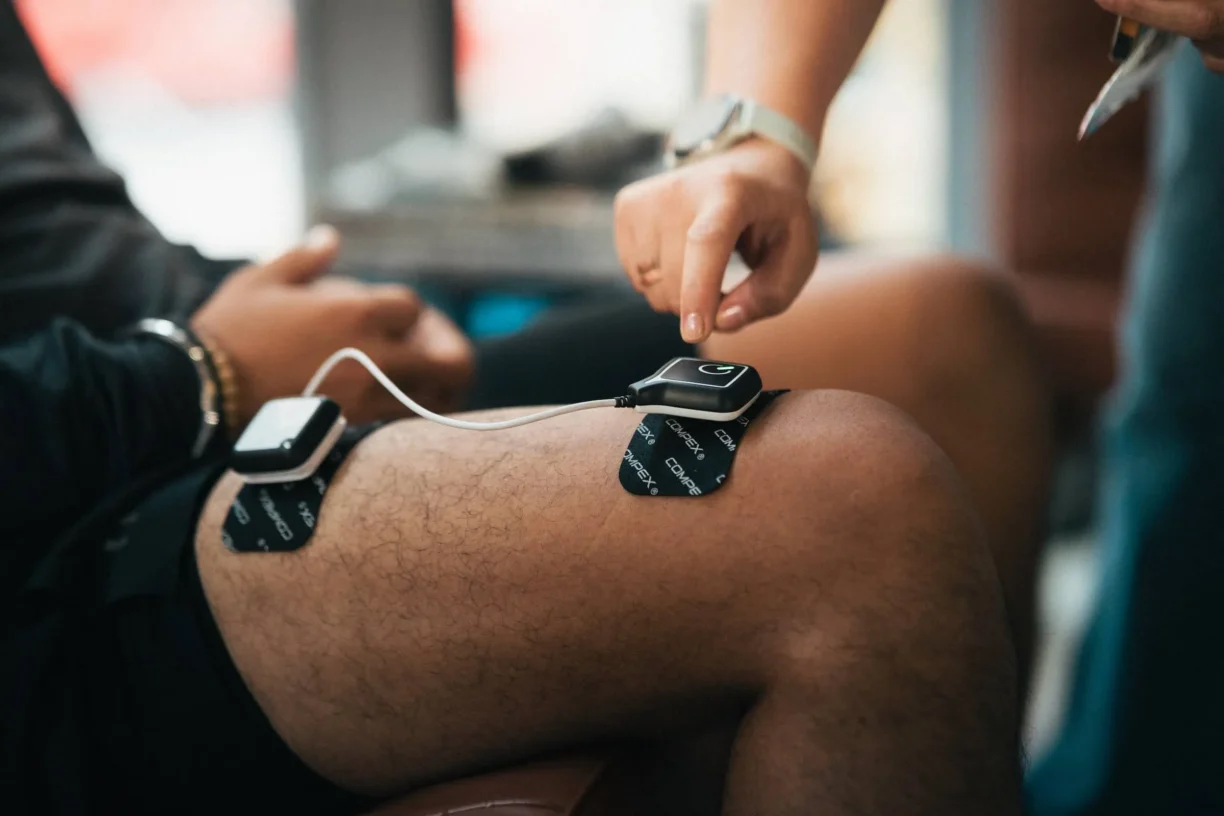
The new Compex Ultimate system moves towards a fully wireless, smartphone-controlled experience.
Instead of managing a conventional arrangement of cables, users have wireless stimulation pods, magnetic electrodes and access to the Compex app, which controls the sessions.
At the centre of the system is Compex Muscle Intelligence (MI) 2.0. According to the manufacturer, the updated technology improves the speed and accuracy of muscle scanning while making automatic intensity adjustments more responsive.
The intended result is a system that requires less manual intervention during use, although those improvements remain manufacturer claims rather than conclusions from independent testing.
Through the app, users can access programmes covering strength and conditioning, endurance, toning, recovery, massage and pain relief. The inclusion of a pain relief programme describes an intended application, not evidence of effectiveness for any particular condition.
The accompanying software also provides structured training plans and personalised goals, including marathon preparation, strength development and recovery. Electrode placement guidance, intensity information and session reminders are designed to help users navigate the different programmes.
For somebody unfamiliar with EMS, that guidance could be a useful part of the experience. Knowing where to position electrodes and how to approach a session is rather more practical than simply having an impressive collection of settings.
A recovery device built for life on the move
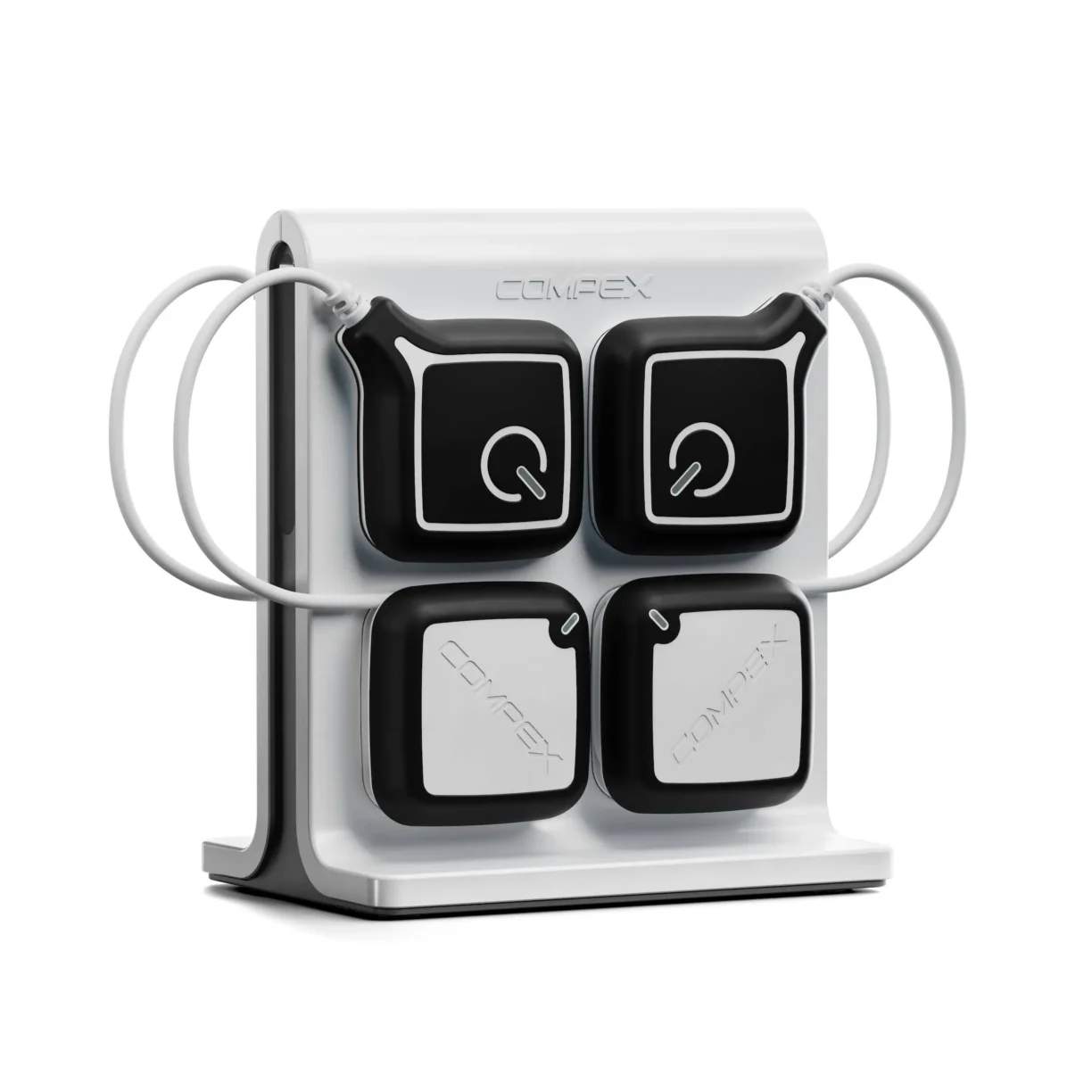
Portability is another focus of the Ultimate design.
Compex says the system provides up to five hours of battery life, while a 15-minute fast charge supplies enough power for a recovery session. A magnetic docking station handles charging.
For athletes who move regularly between training locations, competitions and travel, reducing the amount of equipment involved has an obvious appeal.
Jornet believes the changes make the technology easier to incorporate into his schedule.
“The new Ultimate range is very exciting,” added Jornet. “It’s lighter, easier to travel with and much more adaptable to different needs. Through the app, it’s easier to personalise programs and integrate electrical muscle stimulation into recovery, strength training and performance preparation wherever I am.”
The emphasis on flexibility is consistent with how he describes his previous use of Compex: different programmes for different requirements, rather than relying on one treatment or training approach for everything.
Where EMS fits into the bigger picture
Compex General Manager Arnaud Marie has described the renewed relationship as one grounded in shared values around intelligent training, recovery and long-term performance.
That is the company’s perspective, of course, but Jornet’s account does provide a more useful starting point for anyone curious about EMS.
He describes using the technology for several purposes over time, while continuing to treat it as part of a broader training routine.
For prospective users, the new Ultimate system raises two separate questions: whether wireless hardware and app-based guidance make EMS more convenient, and whether the available programmes suit their particular training or recovery requirements.
The first is largely about design and usability. The second requires a closer look at evidence and individual needs, particularly where rehabilitation or pain relief is concerned.
Jornet’s long association with Compex gives the launch a credible personal history. It does not establish that Ultimate is more effective than previous devices, but it does explain why he continues to find a place for EMS in his preparation.
And that is perhaps the more useful way to judge recovery technology: not by how much it promises to do, but by whether it earns a sensible place alongside the work athletes are already doing.