Teeth straightening can affect cleaning, bite, wear and future dental work. See where Invisalign fits — and why treatment order matters.
Teeth straightening tends to be sold by the mirror: crowded incisors become orderly, gaps close and photographs require rather less strategic lip positioning. Yet the more interesting case for orthodontic treatment often begins where the cosmetic promise ends.
Tooth position can affect how easily certain areas are cleaned, how the upper and lower teeth meet, where wear occurs and how later treatments such as composite bonding, veneers or crowns are planned. In other words, alignment can be groundwork rather than decoration.
That distinction matters because modern clear aligners have made orthodontics considerably easier to contemplate. They are discreet and removable; fixed metal braces, by contrast, make little attempt to pass unnoticed. But convenience does not turn orthodontics into a casual cosmetic accessory. Teeth still need moving safely, the mouth needs to be healthy first and the chosen appliance has to suit the job.
Why Teeth Straightening Can Matter Beyond Appearance
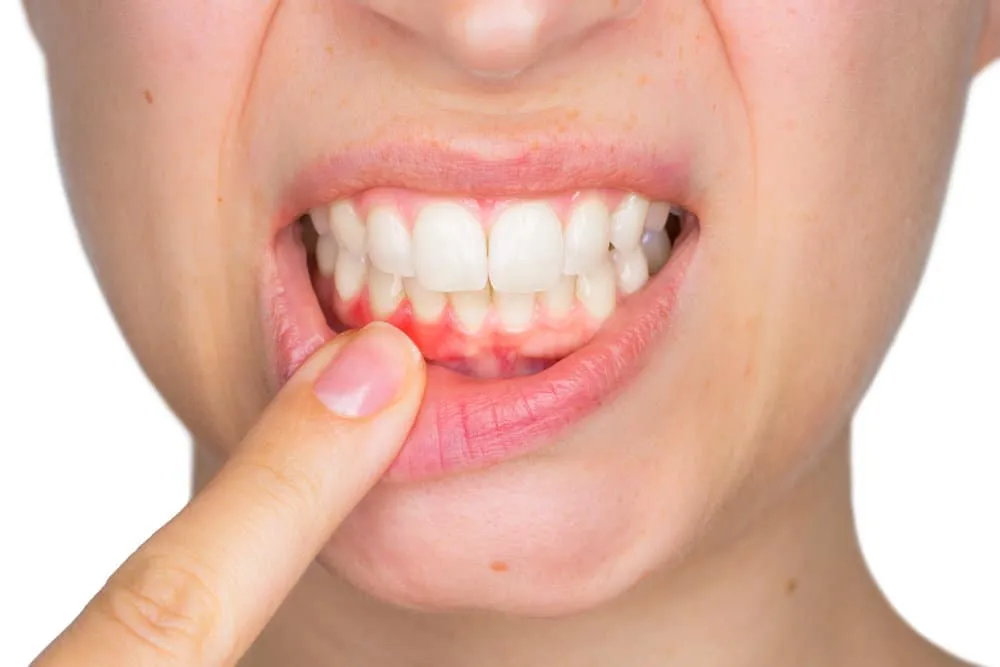
Crowded and overlapping teeth can create awkward areas for brushing and cleaning between teeth. Alignment does not magically prevent decay or gum problems — diet, hygiene, fluoride, smoking, saliva and dental attendance remain part of the picture — but it may make cleaning less fiddly for some patients.
The bite matters too.
If teeth meet unevenly, particular teeth can take more pressure than others. Depending on the individual case, bite problems may be associated with uneven wear, chipped edges, pressure on crowns or fillings and difficulty biting certain foods.
This becomes especially relevant once cosmetic dentistry enters the conversation. Adding composite to an edge that remains under excessive pressure is rather like repainting a door while ignoring the hinge. It may look better, but the underlying mechanics have not disappeared.
For some patients, moving the teeth into better positions first can give later cosmetic work a more sensible starting point.
Invisalign or Fixed Braces? Start With the Problem
Invisalign uses a sequence of transparent removable aligners, each designed to apply controlled pressure as teeth move through a digitally planned series of positions.
The attraction for adults is obvious. Aligners can be taken out for meals and cleaning, are far less conspicuous than conventional braces and can fit more discreetly around professional and social life.
There is, inevitably, a catch. Removable means removable.
Aligners need to be worn consistently for most of the day and night apart from eating, drinking anything other than water and cleaning the teeth. An aligner sitting in its case has an impressive record of moving absolutely nothing.
Fixed braces can therefore remain the better choice where movements are more complex, crowding is severe, substantial bite correction is required or reliable aligner wear is doubtful. Clear aligners are a tool, not a promotion to a higher class of orthodontics.
The appliance should follow the diagnosis, rather than the diagnosis being bent around somebody’s preferred appliance.
Why Straightening May Come Before Bonding or Veneers
Treatment sequence is one of the less glamorous parts of cosmetic dentistry, which is unfortunate because it can be one of the most important.
Composite bonding can alter tooth shape, repair small chips and refine edges. But using bonding to disguise teeth that remain crowded or rotated can mean adding more material than might otherwise be necessary.
Straightening first may allow bonding to be used more conservatively afterwards, concentrating on smaller irregularities once tooth position has already been improved.
Similar planning applies to veneers and crowns. If a tooth begins in a poor position, trying to create the desired appearance entirely through a restoration may require a different approach than first moving that tooth into a more favourable position.
Implants add another wrinkle. Unlike natural teeth, an implant cannot be moved orthodontically in the same way. If both an implant and Invisalign are being considered, their order needs coordinating before treatment gets under way.
The glamorous bit is the final smile. The useful bit is deciding which job should happen first.
Oral Health Has to Come Before Orthodontics
No responsible teeth straightening plan begins and ends with a digital simulation of the anticipated result.
Before treatment, the teeth and gums need assessing. Decay, gum inflammation, plaque levels, tooth mobility, existing crowns or veneers, enamel wear, bite forces and oral hygiene can all affect planning.
Active gum disease or untreated decay needs attention before teeth are moved. Orthodontics works on the existing biological foundation; it does not quietly repair that foundation as it goes.
This is also why a digital scan, useful though it may be, cannot replace an examination. An attractive computer rendering is not a diagnosis.
For patients looking at Invisalign in Bristol or elsewhere, the better consultation is therefore the one that considers the whole mouth rather than simply demonstrating what straighter front teeth might look like.
Patients considering Bristol Cosmetic Dentists should look for a practice that considers oral health, function and appearance together.
Lodge Causeway Dental Centre in Fishponds provides Invisalign in Bristol alongside general dentistry, dental hygiene, composite bonding, teeth whitening, dental implants and restorative care. This can be helpful because teeth straightening is sometimes only one part of a wider smile plan.
Whitening Has Its Own Place in the Queue
Whitening is another treatment whose timing deserves thought.
Professional whitening can lighten natural teeth, but it does not alter the colour of existing composite bonding, crowns, bridges, veneers or implant crowns. That becomes relevant if several cosmetic treatments are being combined.
A staged plan may therefore involve dealing with oral health first, straightening the teeth, considering whitening afterwards and only then refining shape with bonding or other restorations where appropriate.
Not everybody requires an elaborate smile reconstruction, of course. Some patients have a modest alignment concern and need little else. Dentistry has enough opportunities for complexity without inventing additional ones.
Retainers Are Not the Optional Epilogue
Then comes the part easily forgotten once the teeth look straight: keeping them there.
Teeth can move again after orthodontic treatment. Retainers — removable, fixed behind the teeth, or sometimes both — are used to help maintain the corrected positions and reduce orthodontic relapse.
Long-term retention is therefore part of teeth straightening rather than an administrative footnote after it. Patients need to understand how their retainers should be worn, cleaned and eventually replaced.
The before-and-after photograph may get the attention. The retainer gets the long shift.
A good Invisalign teeth straightening consultation should ultimately answer a less glamorous but far more useful question than “How quickly can I make these teeth look different?” It should establish whether treatment is suitable, which method gives the most sensible route and how alignment fits with everything that may follow.
Straight teeth are an outcome. A properly ordered dental plan is the more valuable result.