Tinned fish has earned its place in the winter wellness conversation, but keeping your immune system functioning normally involves rather more than opening a tin. A pharmacist explains the everyday habits worth paying attention to.
There is something appealingly unpretentious about a tin of sardines. It sits in the cupboard, costs relatively little and makes no extravagant promises. Which is more than can be said for much of the advice that appears whenever cold and flu season approaches.
Tinned fish has a legitimate place in the conversation about how to support your immune system in winter. But the more useful story is not about one food. It is about the ordinary habits that help the body function as it should, without pretending any of them can make somebody immune to a virus.
Influenza activity offers a reminder of why those habits attract attention. In a UK Health Security Agency snapshot for the week to 24 September, the proportion of GP swabs testing positive for flu rose from 8.3% to 10.7%.
The agency characterised activity at that point as within the expected seasonal range. A rise in one measure is a reason to pay attention, not a signal to panic.
Hanna Yusuf, a prescribing pharmacist at Chemist4U, recommends focusing on food, sleep, hygiene, gut health and sensible clothing. None is a guaranteed defence against infection. That is precisely why it helps to look at what each can realistically do.
The case for keeping sardines in the cupboard
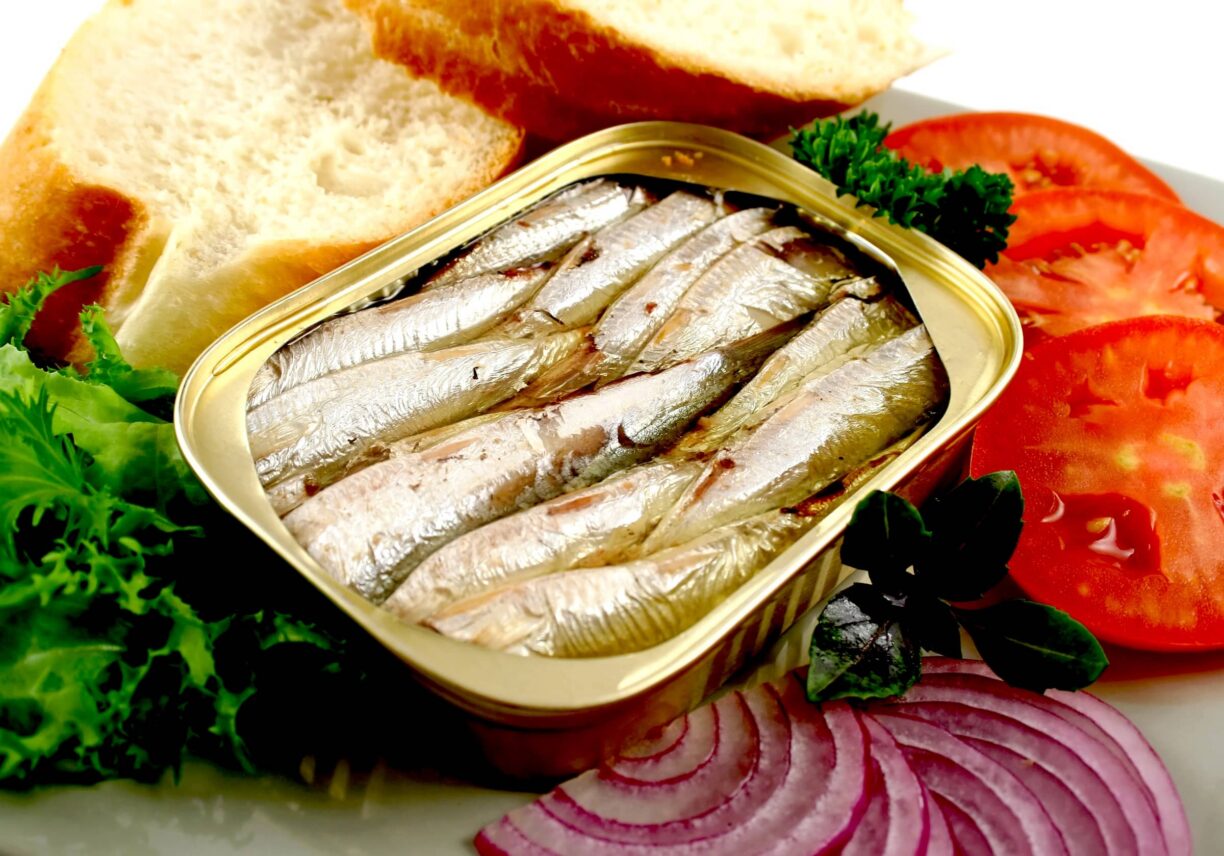
Sardines and mackerel pack several useful nutrients into a convenient food. Oily fish can provide vitamin D, vitamin B12, selenium and omega-3 fatty acids; some varieties also contain zinc. These nutrients have different jobs, but several contribute to normal immune function.
Vitamin D helps immune cells function normally. Selenium plays a role in normal immune function and in protecting cells from oxidative stress. Vitamin B12 is also important to the body’s normal functioning, including blood-cell health. None of this turns a tin of fish into an antiviral treatment.
Yusuf makes the distinction clearly:
“These nutrients don’t make tinned fish a cure or prevention for colds and flu, but getting enough of them as part of a balanced diet helps support your body’s normal immune function.”
That final phrase matters: as part of a balanced diet. Tinned fish is a practical ingredient, especially for people who want something inexpensive and easy to store. It is not a shortcut around the rest of what they eat.
Sleep isn’t glamorous, but it matters
Cold mornings make an extra half-hour beneath the duvet tempting. In this case, the instinct to get enough sleep has more going for it than another elaborate winter wellness routine.
Yusuf points to studies associating short sleep with a greater chance of developing a common cold than sleeping for seven to eight hours. She also highlights cytokines, proteins involved in communication between immune cells, as part of the relationship between sleep and the body’s defences.
That does not mean a good night guarantees a virus-free week, or that a single poor night will leave somebody ill. The practical aim is consistency: giving sleep regular space rather than treating it as whatever is left after everything else.
The least fashionable defence takes 20 seconds
Handwashing deserves a little more respect than it usually gets. Respiratory viruses can spread when people cough or sneeze, and contaminated surfaces can also play a part. Clean hands help reduce opportunities for infection to pass from one person to another.
The recommendation is straightforward: wash hands regularly with soap and water for at least 20 seconds. If soap and water are unavailable, hand sanitiser is a useful alternative.
Unlike a nutrient claim, this is not about making the immune system stronger. It is about limiting exposure and spread in the first place. There is nothing particularly exciting about that, but excitement is not the purpose.
A healthier gut starts with a varied plate
The gut plays an important part in the immune system and hosts trillions of microorganisms. That makes diet relevant to the discussion, although claims about rapidly transforming immunity through the microbiome deserve caution.
Yusuf’s suggestions are familiar foods rather than specialist products: oats, garlic, carrots and sweet potatoes for fibre, with fermented options such as kefir and kimchi adding variety.
The useful principle is a varied, balanced diet that supports gut health over time. Neither a spoonful of fermented food nor a sudden enthusiasm for porridge should be mistaken for protection against flu.
A coat is useful. It isn’t a force field.
Keeping warm and dry outside is a sensible response to a cold, wet British winter. Yusuf also suggests that being very cold and wet can temporarily affect some of the body’s normal defences.
But cold weather and viral infection are not the same thing. Layers help with warmth and comfort; they do not stop viruses from circulating or replace good hygiene.
The distinction runs through all five habits. They are everyday measures that can support health or help reduce spread, each in a different way. The tin of mackerel deserves its place on the shopping list. It just needn’t be mistaken for a winter health policy.
If you’re concerned about any symptoms related to cold and flu, please visit www.chemist-4-u.com/cold-flu.