Sian Honnor says Glasgow 2026 can help bowls attract new players through Bowls’ Big Summer.
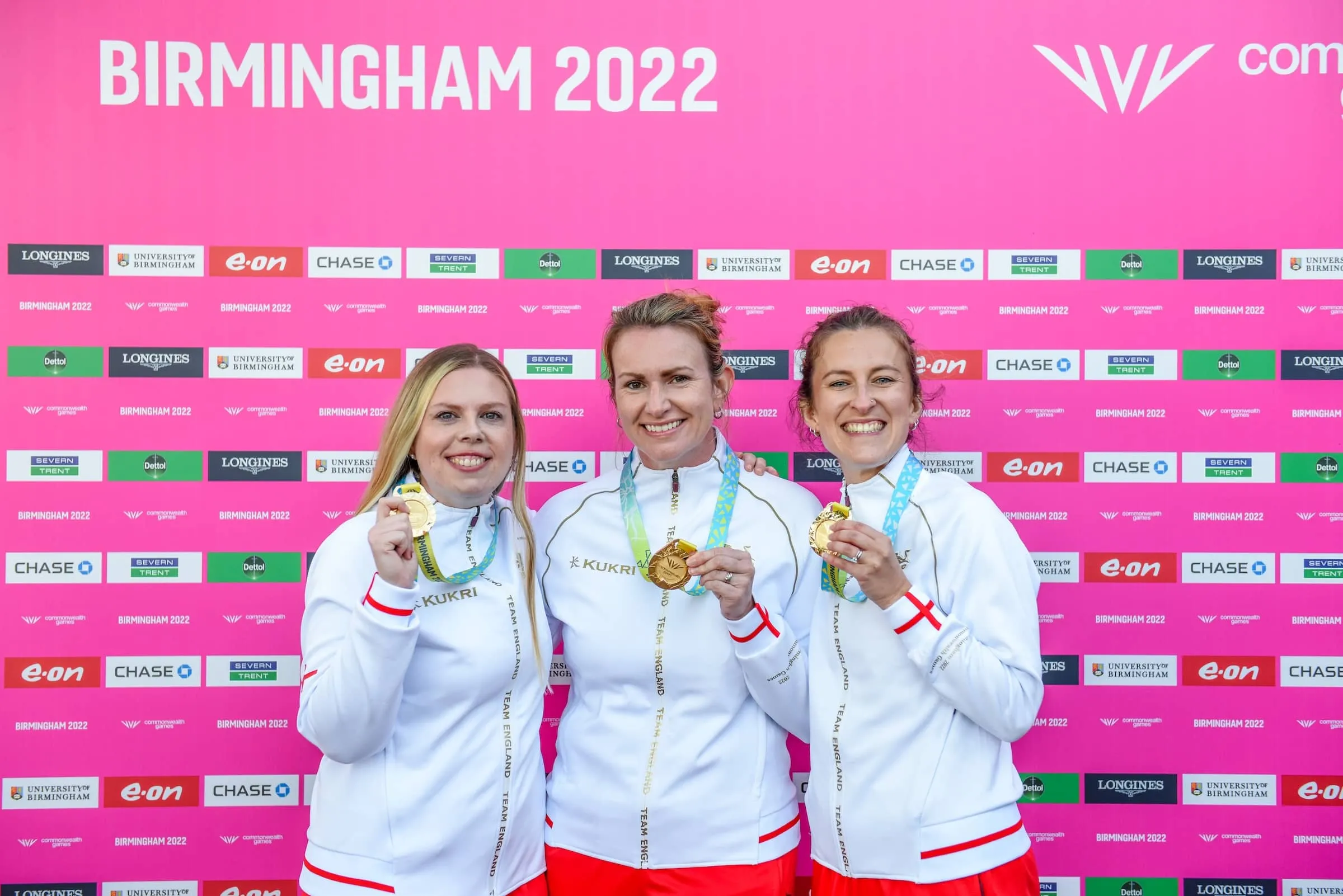
Sian Honnor believes bowls is approaching a rare sporting opening at Glasgow 2026, with the Team England international from Kent arguing that the Commonwealth Games and Bowls’ Big Summer 2026 could help the sport finally show the wider public what regular players have known for years.
A Sport Hiding In Plain Sight
Bowls has long suffered from a curious national blind spot. It is familiar enough for most people to think they understand it, yet misunderstood enough for many of those assumptions to be wildly off target. Rather like a drive that starts down the middle and somehow finishes in someone’s patio furniture.
At Commonwealth level, the sport has pedigree, pressure and proper jeopardy. It produces elite competitors, punishes loose thinking and rewards nerve, patience and touch. At club level, it offers something equally valuable: a way into sport that does not demand Lycra, carbon-fibre footwear or the knees of a 19-year-old hurdler.
That combination should be gold dust. Instead, bowls has often had to wrestle with an image problem it did not deserve and certainly did not ask for.
Sian Honnor Knows The Gap Between Perception And Reality
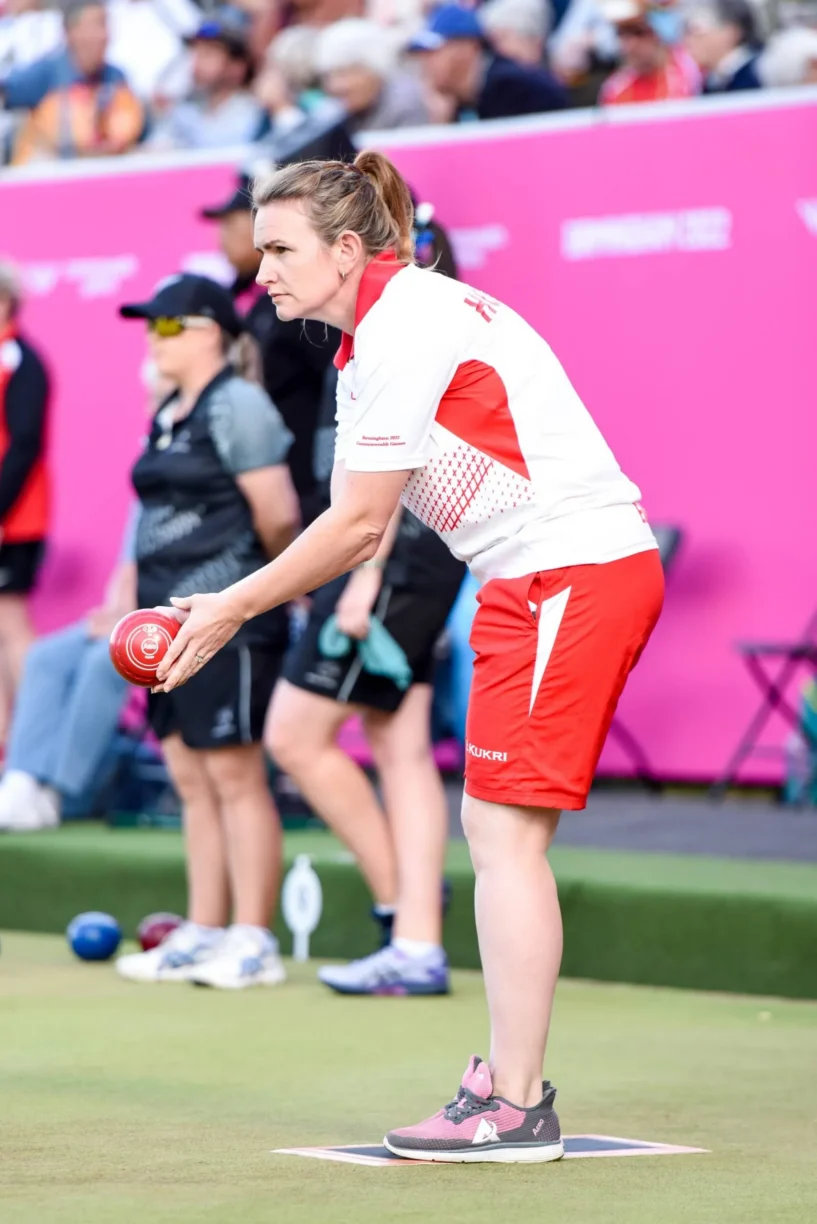
Few are better placed to explain that gap than Sian Honnor. As one of England’s leading players, she has seen the sport from both ends: the sharp edge of international competition and the warm handshake of the local club green.
Honnor, 38, said: “People are always surprised when they actually try it,” she says. “They realise quite quickly how much skill is involved, how competitive it can be but also how welcoming the environment is and that anyone can give it a go.”
That line matters because it goes straight to the sport’s central challenge. Bowls does not have to be reinvented. It has to be encountered.
For many potential players, the hurdle is not the game itself. It is the first visit. The first awkward moment at the gate. The first question about whether you need your own kit, your own team, your own encyclopaedic understanding of bias, weight and why everyone appears to be looking very seriously at a small white ball.
Once people step onto a green, the old assumptions tend to wobble.
Glasgow 2026 Gives Bowls A Bigger Stage
Glasgow 2026 arrives at an unusually important moment. Bowls and Para Bowls will sit on the Commonwealth Games programme, giving the sport sustained visibility at precisely the time it needs to turn curiosity into participation.
That is the bit sport often gets wrong. Big events can inspire people beautifully for about 20 minutes. Then the kettle goes on, the phone pings, and the urge to “try something new” is quietly smothered under the weight of ordinary life.
Bowls’ Big Summer 2026 is designed to stop that happening.
Running from May to September, the nationwide participation campaign will encourage clubs across the country to open their doors through open days, taster sessions and more flexible chances to play. It is not merely about telling people bowls is inclusive. It is about giving them a date, a place and a reason to turn up.
Why Bowls Fits The Moment
The timing is not accidental. Across the country, people are looking for ways to move more without necessarily throwing themselves into high-impact sport. They want activity, but not intimidation. Competition, but not chest-beating. Community, but not a WhatsApp group with 83 unread messages before breakfast.
Honnor sees that opportunity clearly.
She added: “We know there are people looking for ways to be active that aren’t necessarily high-impact. People are looking for community, they’re looking to make connections and improve their wellbeing. Bowls offers all of those things.”
That is where bowls can make a compelling case for itself. It can be played across generations. It allows different abilities to share the same space. It requires relatively little equipment, with many clubs able to provide what newcomers need for casual sessions. It has enough competitive bite for those who want to test themselves, but enough social oxygen for those simply looking for somewhere to belong.
In an era when inactivity and loneliness are no longer fringe public-health concerns, that is not a quaint selling point. It is a serious one.
The Community Behind The Competition
At elite level, bowls can look almost unnervingly calm. The best players give little away. A shot can carry enormous consequence while appearing, to the casual viewer, to have unfolded at the pace of a Sunday afternoon thought.
But beneath that stillness is calculation. Line, length, pressure, surface, temperament. The sport may not shout, but it certainly asks questions.
Honnor believes the public sees the precision but not always the people.
“When people watch bowls at the highest level, they see the precision and the pressure. What they don’t always see is the community behind it. Clubs are full of brilliant people and that’s often what keeps people coming back.”
That may be the campaign’s strongest hand. Medals can create attention. Clubs create habits. If Bowls’ Big Summer is to work, it will do so because the welcome feels real when new players arrive.
Not polished. Not over-managed. Just human.
From Watching To Playing
The campaign’s practical engine is Play-Bowls.com, a national hub designed to connect prospective players with clubs, sessions and local opportunities.
That matters because inspiration without a next step is just a nice feeling passing through. If someone watches Glasgow 2026 and decides, perhaps against their own expectations, that bowls looks rather more skilful, tactical and enjoyable than they had imagined, the pathway needs to be immediate.
Where do I go? When can I try it? Do I need equipment? Will I be made to feel like a spare part?
Bowls’ Big Summer 2026 appears built around answering those questions before they become reasons not to bother.
Recent Bowls’ Big Weekend initiatives have already shown that clubs can bring newcomers through the door in meaningful numbers. The bigger test now is scale. With the Commonwealth Games providing visibility and clubs providing access, 2026 could become more than a good summer of sport. It could become a recruitment drive with a scoreboard.
Success Will Not Be Measured Only In Medals
Honnor, naturally, wants Team England to perform. Elite athletes tend not to regard major championships as decorative calendar items. But she is also clear that the sport’s success in 2026 could be measured beyond the podium.
She concluded: “Of course everyone wants Team England to perform well, but if people watch the Games and then decide to give bowls a go themselves, that’s a huge success for the sport too.
“Hopefully we’ll inspire people to try something new. Once they do, I think they’ll quickly understand why so many of us love it.”
That is the opportunity in its simplest form. Not to make bowls louder, flashier or desperate for approval, but to make it easier to discover.
For a sport built on touch, patience and community, the next great shot may not be delivered in Glasgow at all. It may be played by someone walking into a local club for the first time, borrowing a set of bowls, and realising they have been wrong about the game for years.
To find your nearest club and book a session, visit www.Play-Bowls.com.