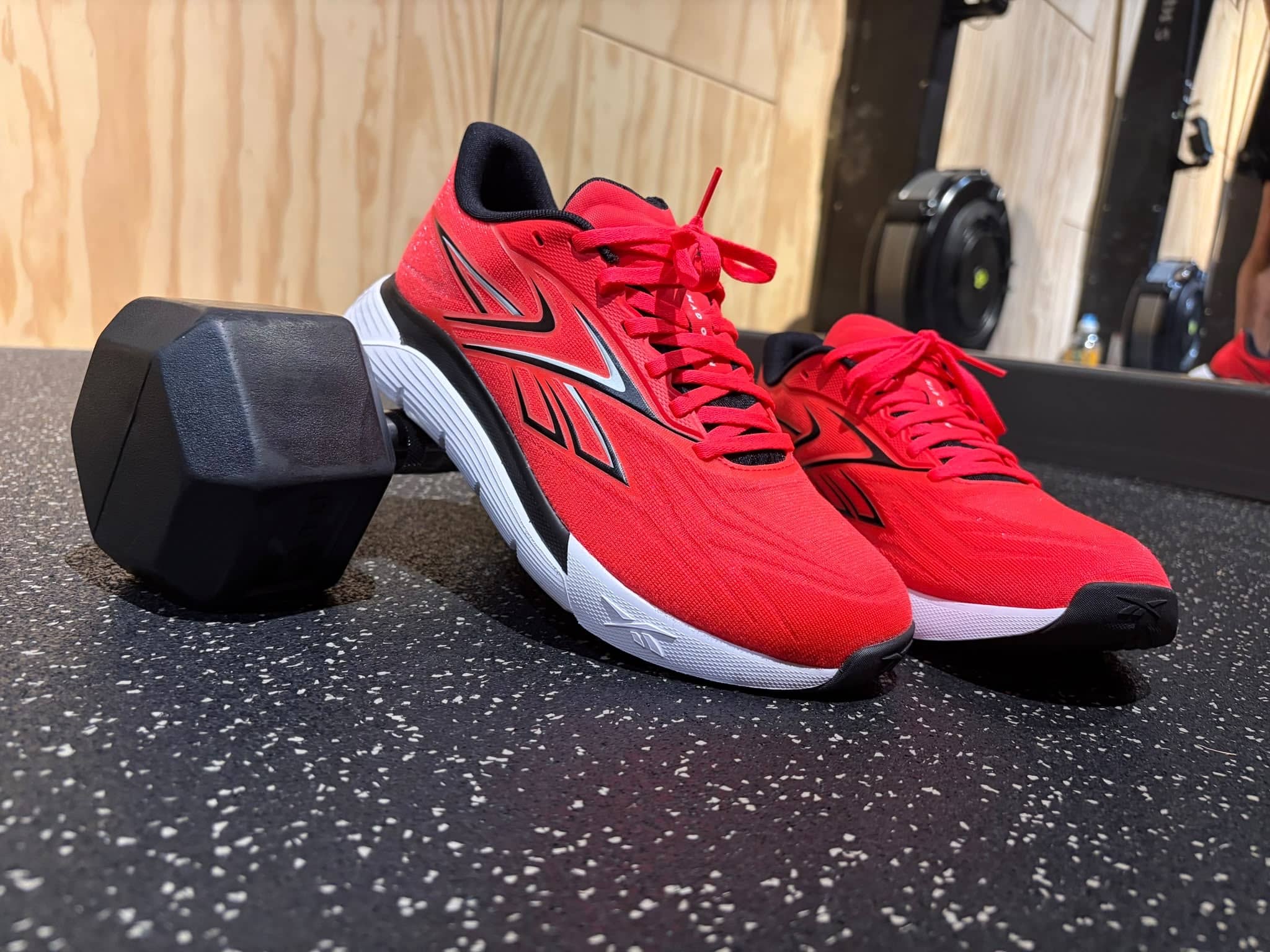
Our Reebok Nano Gym 2.0 training shoes review tests comfort, grip, agility and gym versatility to see where this lighter Nano earns its keep.
The Reebok Nano Gym 2.0 training shoes proved stable, grippy and reassuringly firm across two weeks of mixed gym sessions, but the close, inflexible fit stopped them becoming the genuine all-rounder Reebok intends.
Tested through squats, bench press, sled pushes and assorted upper- and lower-body exercises, they were dependable under load and rather less persuasive once the feet needed room to move.
A lighter Nano for mixed gym training
The Nano Gym 2.0 sits between two familiar extremes: the rigid lifting shoe that treats flexibility as a character flaw, and the soft running trainer that becomes vague as soon as a barbell appears.
Reebok lists it at 9.0oz with an 8mm heel-to-toe drop, giving it a lighter, more conventional stance than many lifting-led cross-trainers. It feels less armoured than some members of the Nano family, which can occasionally arrive looking prepared to survive minor structural collapse.
The engineered-mesh upper has designated ventilation zones, while a padded performance collar aims to hold the heel during faster movement. Underneath, Floatpulse Ultra Responsive Foam is paired with a full-rubber outsole and forefoot flex grooves.
On paper, that is a sensible recipe for circuits, classes and general gym work. The practical result is rather more specialised than the brochure suggests.
Reebok recruited French racing driver Pierre Gasly and tennis professional Magdalena Fręch for the launch campaign, athletes united by speed, balance and rapid directional changes, though only one performs them while sitting behind a steering wheel covered in enough buttons to operate a small satellite.
“The Nano Gym 2.0 lets me train with precision and speed,” said Pierre Gasly, Reebok athlete and French racing driver. “No matter the workout, I feel ready to go in my Nano’s.”
Fit and comfort: the main objection
The toe box was fine in the test pair, but the shoe’s hugging shape dug into the sides of the feet and pressed into the bridge. That made the sizing feel wrong even where the forefoot had adequate room.
Heel security was not the problem. The upper simply held too tightly in the wrong places.
That distinction matters. A snug training shoe can feel precise. A shoe that steadily argues with the bridge of the foot becomes a distraction, then a reason to shorten the session.
Cardio testing was abandoned because of the tightness, and the Nano Gym 2.0 was not comfortable enough for casual wear between workouts. It remained useful situationally, particularly for controlled lifting sessions, but never became the pair to reach for without first consulting the day’s programme.
The fit also reduced manoeuvrability. High-repetition leg work and movements demanding more natural flex felt restricted. Those with narrower feet may have an easier time, but anyone sensitive to midfoot pressure should try before buying rather than trusting the size printed on the box.
Firm cushioning, excellent grip and useful stability
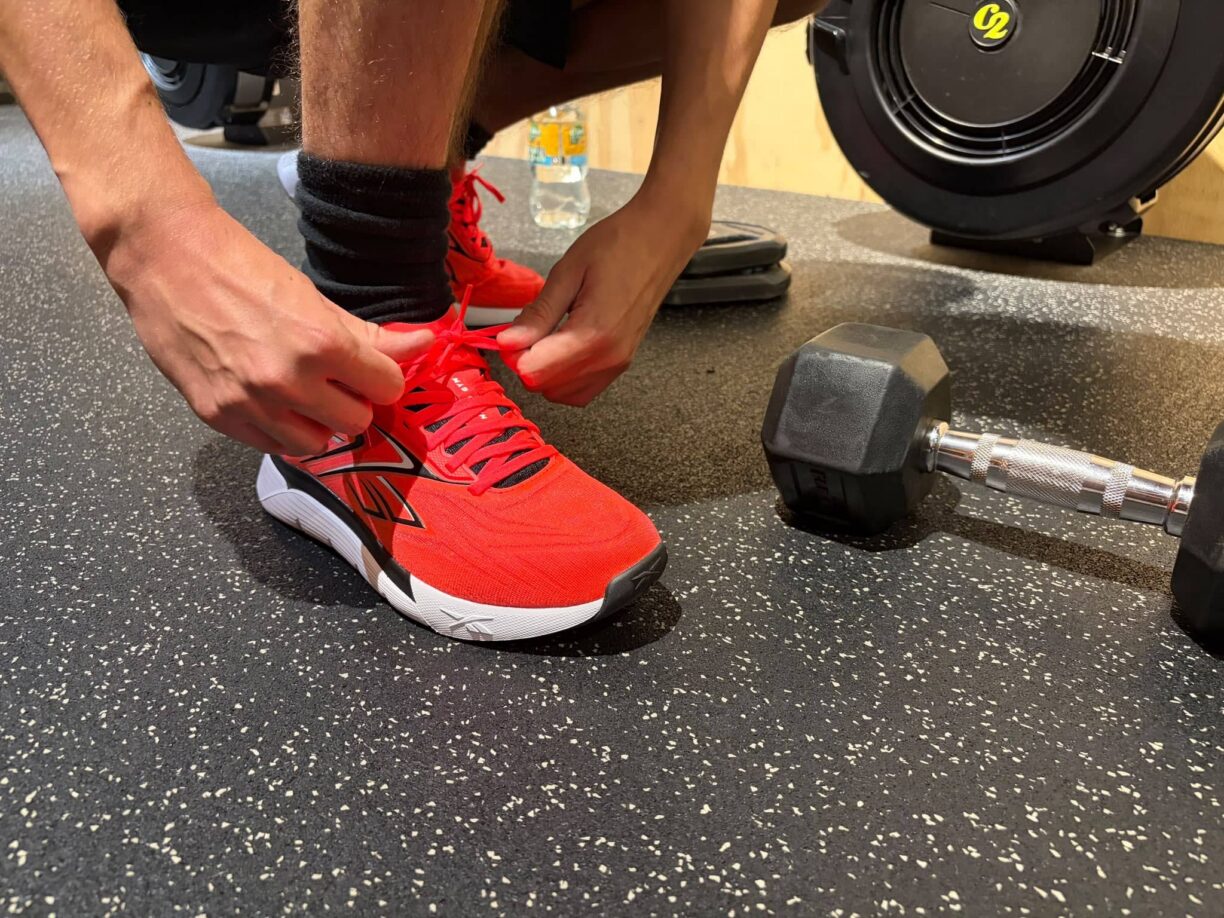
The midsole was firm rather than springy. Reebok’s foam language suggests lively rebound, yet the sensation during testing was planted and controlled, not bouncy.
That worked well for squats, bench press and sled pushes, the exercises most clearly affected by the shoes. Under load, the platform felt stable and did not introduce unwanted movement.
The Nano Gym 2.0 also gripped consistently well. It held on a standard spongy gym floor, a wooden squat-rack platform and artificial turf used for sled pushes. There was no obvious surface on which the outsole lost its composure.
The 8mm drop will feel familiar to wearers of conventional athletic trainers, although lifters devoted to flat shoes may find it too pitched for deadlifts and other movements where direct floor contact matters.
It is stable, certainly, but not a substitute for a dedicated lifting shoe at maximal loads. Equally, the firm cushioning and restrictive upper make it a poor replacement for a running shoe over any meaningful distance.
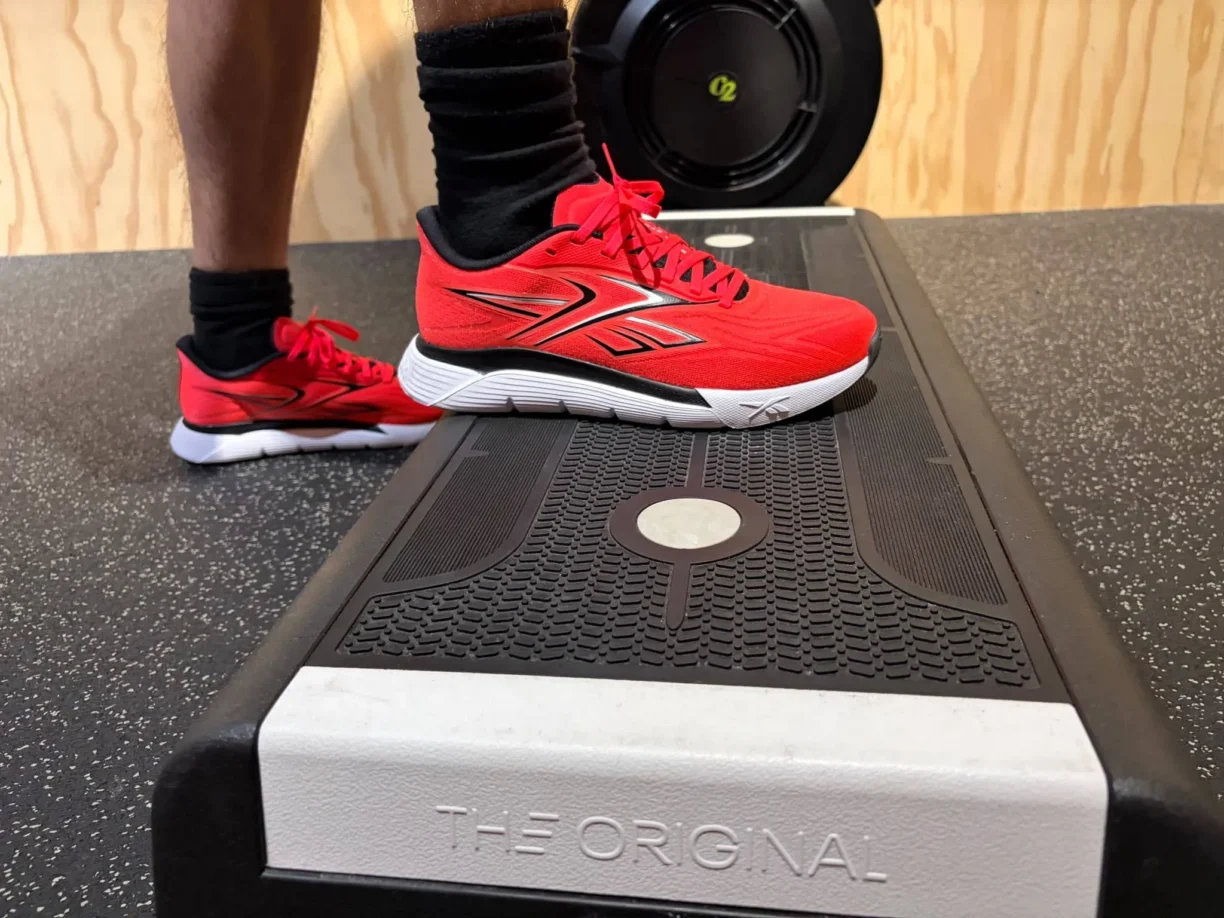
Reebok Nano Gym 2.0 pros and cons
Pros
- Strong grip across spongy gym flooring, wood and artificial turf
- Firm, stable platform for squats, bench press and sled work
- Relatively light 9.0oz listed weight
- Solid construction with no immediate durability concerns
- Toe-box space was adequate in the tested pair
- Suitable for controlled strength sessions and moderate mixed training
Cons
- Upper dug into the sides and bridge of the foot
- Fit felt too tight despite a workable toe box
- Limited flexibility restricted cardio and high-repetition leg work
- Midsole lacked the spring suggested by the foam description
- Not comfortable enough for extended casual wear
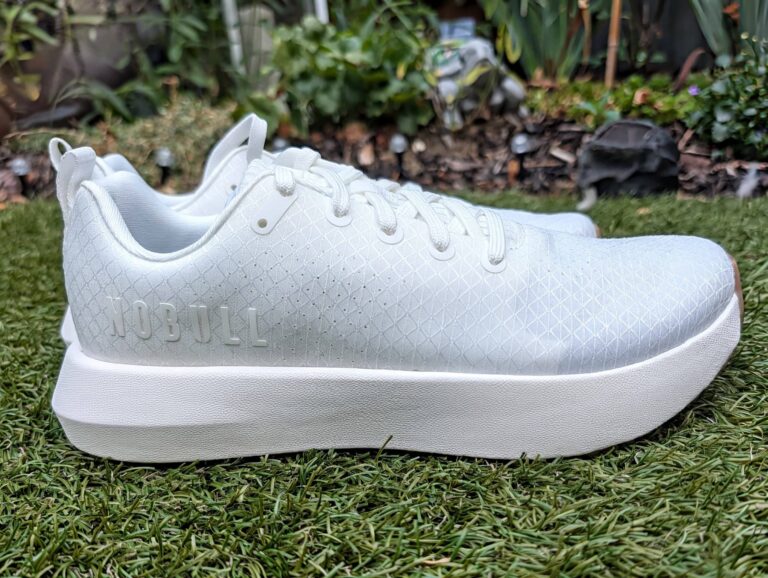
- Light colour may show wear more quickly over time
Who are the Reebok Nano Gym 2.0 training shoes best for?
The Reebok Nano Gym 2.0 training shoes best suit gym users who prioritise stability, grip and controlled strength work but still want one pair for several kinds of session.
They are particularly credible for machine work, moderate lifting, sled pushes and circuits that do not involve much running. The firm base provides confidence during loaded exercises, while the outsole behaves properly across varied gym surfaces.
They are a poorer match for wide or pressure-sensitive feet, regular treadmill work, long cardio blocks or highly mobile classes. The lack of flexibility becomes more obvious as repetitions rise and the session asks the foot to bend naturally.
The shoe also requires compromise at both specialist ends. Serious lifters can find firmer, flatter platforms. Runners will find more flexible and forgiving cushioning elsewhere.
Versatility is still the attraction, but only within a fairly specific definition of varied training.
Is the Reebok Nano Gym 2.0 worth it?
Reebok lists the Nano Gym 2.0 at a $100 MSRP, with a 16 July launch date and availability varying between markets.
At that price, the build feels solid and the outsole appears durable. There was no structural deterioration during the two-week testing period, and the shoe gives the impression that it will tolerate regular gym use without complaint.
The pale finish may advertise scuffs and general wear earlier than a darker colourway. That is largely cosmetic, although pale training shoes have a habit of documenting every encounter with a sled, plate and dusty corner of the gym.
“We’re excited to introduce the Nano Gym 2.0 to the fitness community,” said Tal Short, Product Director at Reebok. “As our most versatile gym shoe yet, it’s our goal to continue innovating to create products that support athletes across their entire training journey.”
The Nano Gym 2.0 is good situational footwear rather than an automatic daily choice. For controlled strength sessions, it supplies grip and stability without unnecessary bulk. For cardio, high-repetition leg work or simply walking about afterwards, the restrictive shape becomes difficult to ignore.
The verdict is precise: a solid, durable gym shoe for narrower feet and stability-led training, but not the versatile crowd-pleaser promised by the name.
It rarely slips on the floor; the argument begins higher up.