Learn how red light therapy may support circulation, recovery, and nerve comfort for neuropathy symptoms in feet, toes, and legs.
When your feet tingle during a walk, feel numb after exercise, or feel a burn at night, staying active can become frustrating. Neuropathy can affect mobility, balance, recovery, and daily comfort, especially when symptoms show up in the feet and toes.
For active adults, even mild nerve discomfort can make workouts feel harder and recovery less predictable. That is why many people are exploring non-invasive wellness tools that may help support circulation, comfort, and recovery.
Resources such as Red Light Therapy Digest have highlighted the growing interest in photobiomodulation for nerve-related concerns. Red light therapy is now being studied as a complementary option that may fit into a broader wellness routine.
What Is Neuropathy?
Neuropathy happens when the peripheral nerves, the nerves outside the brain and spinal cord, become damaged or irritated. These nerves help carry signals related to movement, sensation, and pain, so symptoms can show up in ways that affect daily activity.
Common signs may include tingling, numbness, burning sensations, foot discomfort, sensitivity to touch, or muscle weakness. Many people notice these symptoms first in the feet or toes, which can make walking, exercising, or standing for long periods more difficult.
For active adults, neuropathy deserves attention because it may affect balance, mobility, and workout consistency. When your feet do not feel fully stable or comfortable, even simple movement can require more effort.
Understanding Red Light Therapy
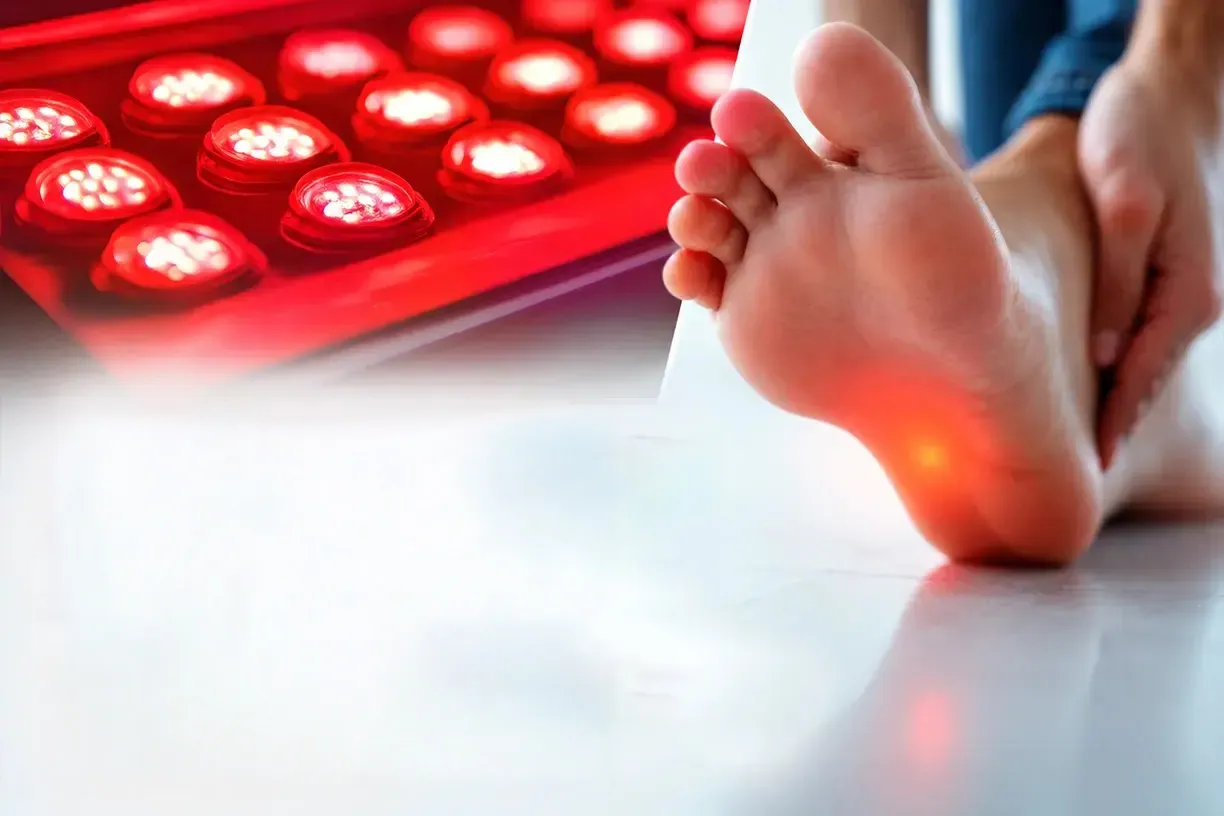
Red light therapy is a form of photobiomodulation-a process where specific wavelengths of light interact with cells. Most devices use red light and near-infrared light, which are studied for how they may support normal cellular activity. When light reaches the skin, cells may absorb that energy and use it in ways that support mitochondrial function. Mitochondria are the small energy centres inside your cells.
Researchers are interested in red light therapy because it may help support circulation, inflammatory balance, and cellular recovery processes. A review on photobiomodulation notes that light-based therapy has been studied for its effects on tissue repair, inflammation, and pain-related pathways.
Expert Insight: Why Wavelengths Matter
Different light wavelengths penetrate human tissue at varying depths. For this reason, it’s very important to thoroughly check the technical features of the device. Red light penetrates more towards the surface, whereas near-infrared light is commonly researched for its deeper levels.
“NIR laser 810 nm is not readily absorbed and has a much larger depth of tissue penetration of 30-40 mm or greater.” – Michael R. Hamblin et al.
When evaluating the best red light therapy devices for neuropathy, it helps to check whether a product uses both red and near-infrared wavelengths, along with treatment coverage, comfort, and ease of consistent use.
Potential Benefits of Red Light Therapy for Neuropathy
May Support Healthy Circulation
Healthy blood flow is essential since nerve cells and their neighbouring tissues require oxygen and nutrients to operate efficiently. If blood flow is reduced, it may seem that healing takes longer, most of all in the feet. A PubMed-indexed study on red and near-infrared light indicates that the depth of the wavelength affects how far the light can penetrate the tissue, which is one of the reasons why enhancing blood circulation comes up frequently when talking about red light therapy.
May Help Manage Inflammatory Stress
Inflammation can play a role in nerve irritation, sensitivity, and everyday discomfort. Photobiomodulation has been studied for its potential influence on inflammatory pathways, which may be helpful for active adults trying to stay consistent with movement and recovery.
May Support Cellular Energy Production
Red and near-infrared light are also studied for their interaction with mitochondria, the small energy centers inside cells. This may support ATP production, which is the energy cells used for normal repair and recovery processes.
Non-Invasive and Drug-Free
Red light therapy is a non-invasive treatment that doesn’t involve the intake of any medication and needs no resting period. Still, it cannot substitute for a doctor’s intervention. A patient who is already undergoing neuropathy treatment should consult the doctor if he/she intends to introduce red light therapy as part of the treatment.
Choosing the Right Red Light Therapy Device
Choosing a red light therapy device for neuropathy support starts with the details. Look at the wavelengths used, since red and near-infrared light may reach tissue differently. Coverage area also matters, especially if symptoms are mainly felt in the feet, toes, or ankles. A device that is difficult to position may be harder to use consistently.
Ease of use is just as important as technical specs. The best option is usually one that fits naturally into your routine without requiring too much setup.
Why Foot-Focused Devices Are Gaining Attention
Neuropathy symptoms tend to show up most in the feet and toes, which is why targeted devices can be genuinely easier to use than larger panels or handheld tools. A foot-focused design allows users to keep the light right where they need it, without having to hold anything in place. And honestly, that’s what makes staying consistent a lot easier -especially for active adults just looking for a simple recovery habit after walking, training, or being on their feet all day.
Wearable and hands-free designs are also gaining interest for convenience. With this trend in mind, Novaalab designed the Novaa Light Boot to help address chronic foot and ankle discomfort by delivering full-coverage red light therapy to the soles, arches, toes, heels, and ankles, making it easier to maintain a consistent treatment routine.
Adding Red Light Therapy to a Healthy Lifestyle
Red light therapy works best when integrated into a healthy routine. Low-impact activity, proper footwear, balanced nutrition, and good sleep -these habits collectively make a difference in comfort and recovery. And for active adults, it’s really not about grinding through the hardest routine; staying consistent is what keeps movement going over time.
What tends to work is a few short sessions each week, which are genuinely easier to commit to than any aggressive schedule. And honestly, consistency, comfort, and medical guidance are what matter most, especially when neuropathy symptoms keep showing up.
Conclusion
Neuropathy can make an active lifestyle genuinely harder, affecting not just comfort, but also balance, mobility, and how well the body bounces back. Red light therapy is what’s drawing interest as a non-invasive wellness option that may help with circulation, cellular energy, and recovery when used consistently.
And honestly, it works best when it’s part of a wider routine -one that includes regular movement, supportive footwear, balanced nutrition, rest, and input from a healthcare professional if symptoms keep coming up.
References
1. Photobiomodulation or low-level laser therapy – PMC https://www.ncbi.nlm.nih.gov/pmc/articles/PMC5215795/
2. Effect of red and near infrared wavelengths on low-level laser (light) therapy induced healing of partial-thickness dermal abrasion in mice – PMC https://pmc.ncbi.nlm.nih.gov/articles/PMC3766381/
3. Experimental and Clinical Applications of Red and Near-Infrared Photobiomodulation on Endothelial Dysfunction: A Review – PMC https://pmc.ncbi.nlm.nih.gov/articles/PMC7998572/