London’s Premier Padel P1 brings a €495,000 prize pool, UK No.1 Christian Medina Murphy and fresh momentum for British padel.
The Padel P1 Event in London has given Britain’s rapidly developing relationship with the sport something rather more substantial than another new court and a queue for the evening slot.
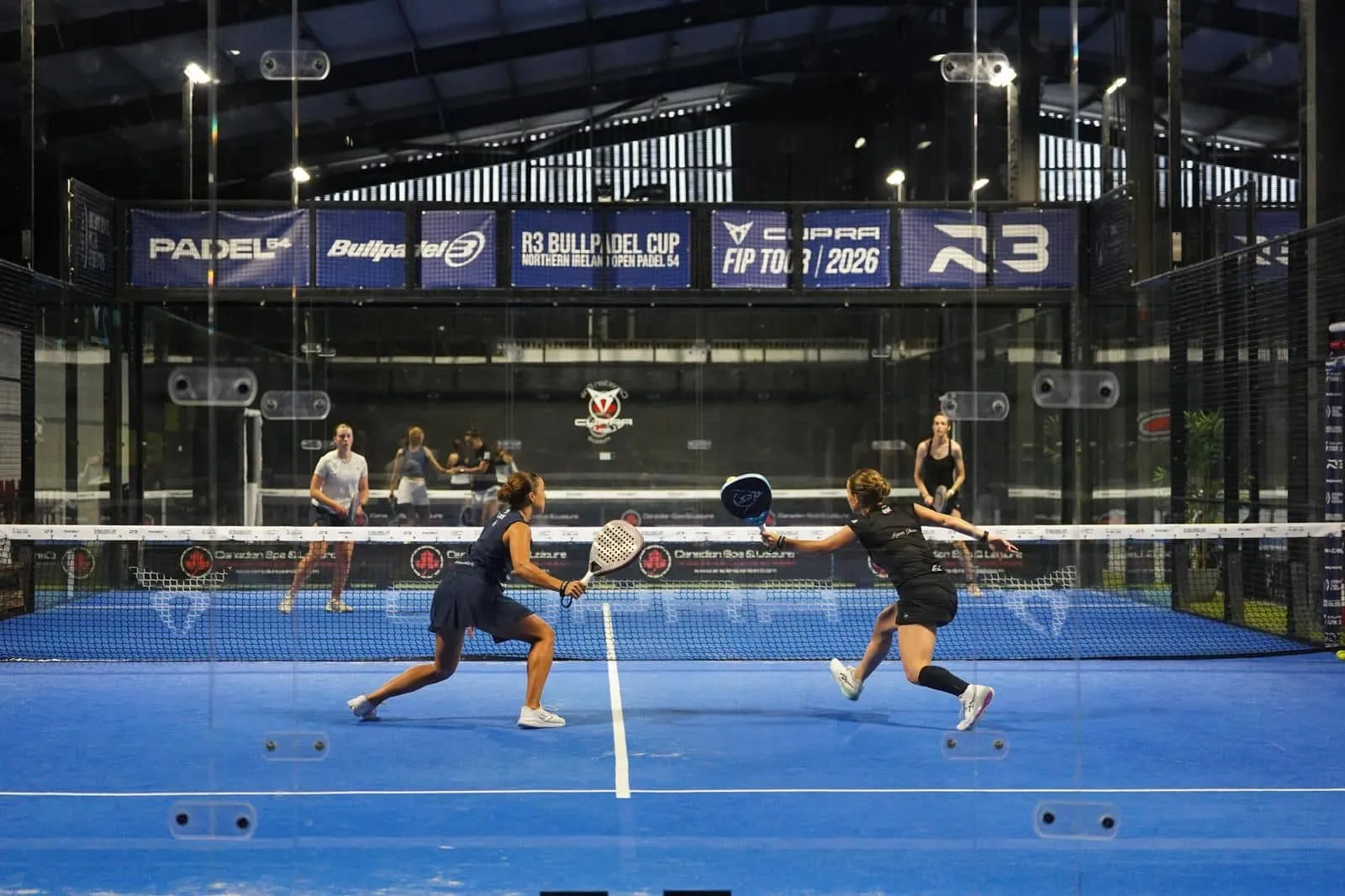
Premier Padel London P1 carries a €495,000 prize pool, draws elite international competition and, for UK No.1 Christian Medina Murphy, offers the considerably more interesting prospect of testing himself against the world’s best with British support behind him.
For a sport seeking a permanent place in Britain’s sporting calendar, that makes London P1 more than a tournament. It is a useful examination of how far padel has travelled — and how much work remains.
London P1 gives British padel a serious stage
Premier Padel London P1 has quickly established itself as one of the higher-profile fixtures on the padel calendar. The prize fund helps establish the scale, but the greater significance is visibility.
New sports do not become established simply because participation rises. They need occasions: recognisable tournaments, players with whom spectators can identify and enough competitive jeopardy to make people care who wins.
London P1 supplies some of that theatre.
R3 Sports, which represents leading British padel players including Medina Murphy, describes the tournament as a milestone for the domestic game. The company’s enthusiasm is hardly mysterious. Its owner, VVV Sports, also owns Bullpadel UK, giving it an obvious commercial stake in padel’s expansion.
That does not make the underlying argument wrong. It merely gives it context — a useful commodity whenever somebody starts talking about owning months of the sporting calendar.
Christian Medina Murphy gets his home stage
For Medina Murphy, the most persuasive evidence is considerably simpler: people are turning up.
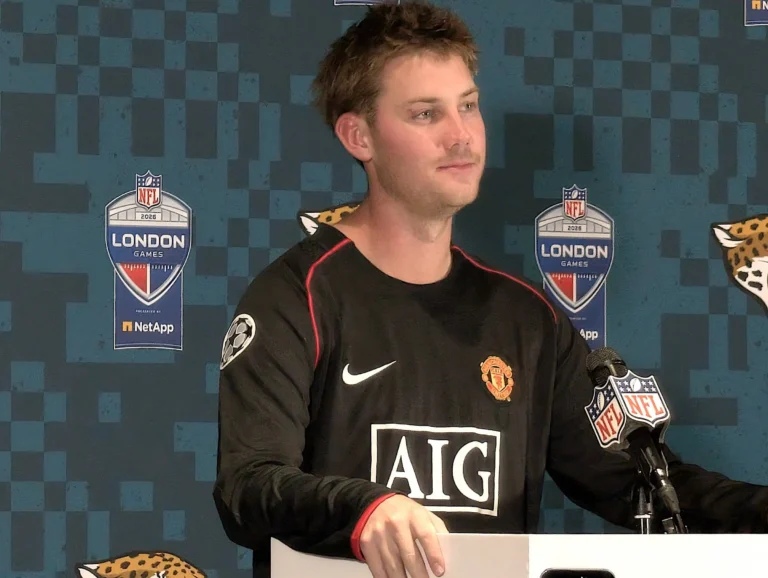
The UK No.1 said: “I saw a lot of people here in the first days watching, supporting me and supporting all the players, and I think that is amazing news for UK Padel. Really excited to be fighting against the best in the world.”
There is something important in that final sentence. Domestic participation can create enthusiasm, but elite competition gives a developing sport its reference points. British players facing established international opposition allow spectators to see where the home game actually stands rather than where everybody hopes it might stand.
That is a much healthier measure of progress.
A €495,000 prize pool gives London P1 some weight
London P1 comes with a €495,000 prize pool, a figure substantial enough to underline the seriousness of the occasion without requiring any breathless declarations about history being rewritten before lunch.
Prize money alone cannot manufacture sporting culture. Wimbledon would presumably have found that trick years ago if it were quite so straightforward.
It does, however, help demonstrate the level at which Premier Padel wants its London event to operate. Combined with an international field and British interest around Medina Murphy, it gives London a tournament capable of attracting attention beyond regular club players.
‘Wimbledon owns July’ sets an ambitious target
Jonathan Rowland, CEO of VVV Sports, which owns R3 Sports and Bullpadel UK, has set the ambition considerably higher.
“Wimbledon owns July. We want padel to own August. Premier Padel London P1 is a real milestone for the sport in the UK. Padel has gone from niche to mainstream at remarkable speed, and you can feel that momentum across London, in the clubs, the courts, the retailers and the people picking up a racket for the first time.
The exciting thing is that the demand is no longer the question; it’s whether we can build the courts, access and pro player pathways quickly enough to keep pace with the insatiable global appetite for Padel, which is there for the taking. This is a chance for us to show the world why the UK will become one of padel’s marquee destinations.”
The Wimbledon comparison is deliberately audacious. One tournament has more than a century of accumulated cultural weight; the other is helping introduce a comparatively young British audience to a sport still constructing its professional identity here.
Still, ambition is permitted. Preferable, even.
British padel’s harder job starts after London P1
Rowland’s more revealing point concerns courts, access and player pathways.
Those are less glamorous subjects than packed stands and international stars, but they will determine whether padel’s current visibility produces anything lasting. Demand without sufficient places to play eventually becomes frustration. Participation without a credible route towards elite competition limits the chances of developing more British players capable of following Medina Murphy.
London P1 can provide attention. It cannot, by itself, build an ecosystem.
That makes the tournament an intriguing marker rather than a finishing line. Britain has an elite padel event, a home No.1 eager to measure himself against the best and industry figures talking confidently about the country’s place in the sport.
The next test is turning that noise into depth.
Padel may not own August just yet. In London, though, it has at least put its name on the door.