A practical midlife women’s health guide covering perimenopause, sleep, strength training, nutrition, HRT, bloodwork and mental wellbeing.
For most of a woman’s life, the basic operating manual for staying healthy works reasonably well. Eat reasonably. Move regularly. Sleep enough. Manage stress. Take a multivitamin if your diet is uneven. Get the screenings on schedule. The advice is dull because it works. Then somewhere between 40 and 50, a lot of things start to shift, and the same routine that worked through the 20s and 30s stops producing the same results.
I have spent a fair bit of time over the last few years talking with women going through perimenopause, often without realising at first that this is what was happening. The pattern is striking. Sleep gets unreliable. Energy gets harder to predict. The relationship between effort and weight gets worse. Mood becomes less stable for reasons that don’t track with what is actually going on in life. Periods become odd, sometimes for years, before they actually stop. None of this is one specific dramatic event. It is a slow, uneven recalibration of how the body works, driven by a hormonal transition that takes anywhere from three to ten years to complete.
The information landscape around this transition has improved a lot. The conversation that used to be limited to a quick GP appointment is now openly discussed in books, podcasts, online communities, and most weekend dinner tables. Which is mostly good. The downside is that the volume of advice has become overwhelming, and a lot of it contradicts itself.
What actually helps, based on what most women I know have found useful?
Sleep gets harder to protect, which means it gets more important. Hot flashes, night sweats, and the general restlessness of perimenopausal sleep mean the seven hours you used to get easily now require active effort. Cool bedroom. Consistent schedule. Less alcohol than you think. A bedtime routine that actually exists.
None of this is glamorous advice. All of it works better than the supplements people try to use as shortcuts. The broader point that recovery and rest matter more than constant intensity, explored in more depth here, becomes harder to ignore once your body stops bouncing back the way it used to.
Strength training stops being optional. Muscle mass starts declining faster after 40, and the consequences (worse metabolism, more joint pain, slower recovery from anything) compound over time. Two or three sessions a week of actual resistance work, not just cardio, is the single highest-return health change most women in their 40s can make.
The women who start lifting weights in their 40s tend to feel better at 60 than the women who relied on cardio and never picked up a heavier dumbbell. The case for building gentle but consistent strength habits that last into later life is the same case, just looked at across a longer time horizon.
Nutrition has to get more deliberate. The casual approach that worked at 30 produces different results at 45. Protein needs are higher than most women are eating. Iron, magnesium, vitamin D, omega-3s, B vitamins, and a handful of other nutrients are commonly low in midlife women, and the deficiencies are easier to spot in lab work than in symptoms.
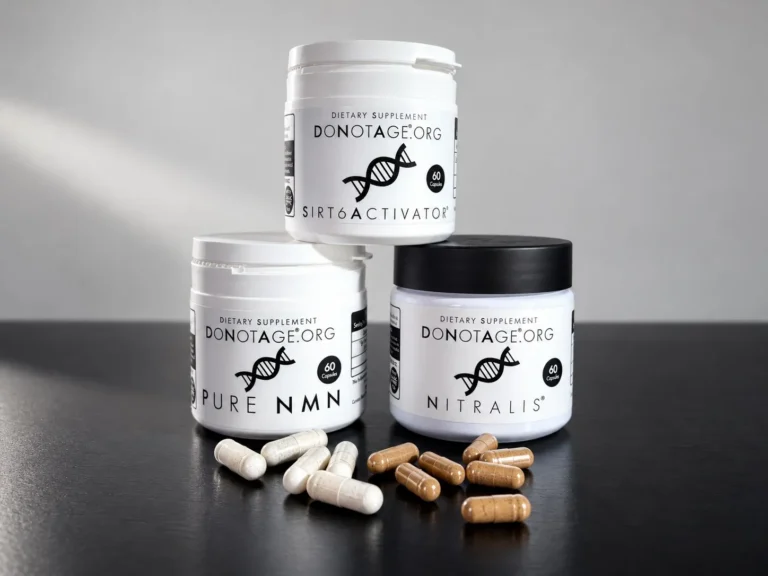
A reasonable multivitamin can help cover the gaps. A serious women’s multivitamin from Ritual is the kind of thing women in my circle have moved toward over the last few years, not because supplements are magic but because the gap between food intake and actual nutrient needs at this life stage is wider than it used to be.
The conversation about hormone replacement therapy has changed. Twenty years ago, the WHI study put a chill on HRT prescribing that lasted a generation. The interpretation of that study has evolved significantly since then, and most current menopause specialists view HRT, particularly modern formulations started at the right time, as a meaningful option for many women dealing with the harder symptoms of perimenopause and menopause. The conversation now is less about whether HRT is appropriate at all and more about who is a good candidate, what form fits the specific situation, and what the trade-offs look like.
Access to that conversation has changed too. Five years ago the only way to seriously discuss HRT was to find a menopause-knowledgeable GP or specialist, which depending on where you lived could mean weeks of waiting and a coin flip on whether the clinician actually had current training on the topic.
Telehealth services focused on women’s midlife health have changed the access picture significantly. Platforms that handle HRT with Nurx and similar telehealth-based menopause care let women have the conversation, evaluate options, and start treatment if appropriate without the appointment bottleneck that used to be the main obstacle.
Not every woman wants HRT. Plenty have good reasons to choose lifestyle and non-hormonal approaches instead. The point is that the option is now genuinely accessible to women who do want to explore it.
Mental and emotional health needs more attention than people credit. The hormonal shifts of perimenopause affect mood, anxiety, cognition, and stress tolerance in ways that have nothing to do with what is happening in your life on the surface. The women who get through this transition most smoothly tend to be the ones who take the mental health side as seriously as the physical side.
Therapy. Honest conversations with a partner. Friendships that have space for the real version of how you’re feeling. The cultural pressure to power through and not talk about midlife transition is finally easing, which makes the support easier to access than it was. The closer you look, the harder it gets to separate physical training from mental well-being, which is part of why the mental health side of fitness deserves the same attention as the physical side.
A few practical things to add to the picture:
Get your bloodwork done. Iron, vitamin D, B12, thyroid, lipid panel, fasting glucose, HbA1c. The baseline tells you what to actually focus on rather than guessing.
Don’t accept dismissive responses from clinicians who haven’t been trained in current menopause care. The speciality is changing fast. Find someone who is current.