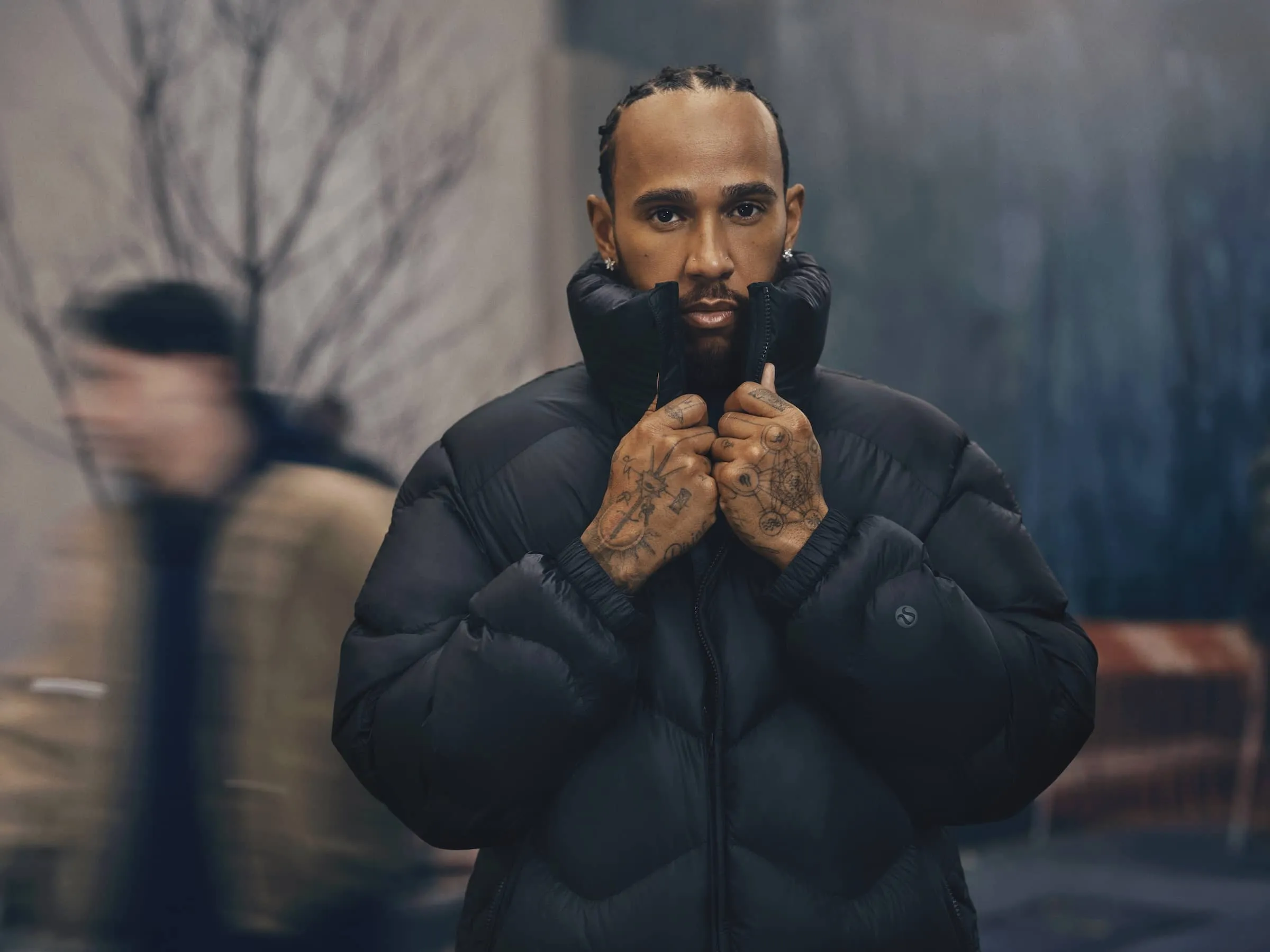
lululemon’s new outerwear collection brings serious insulation claims into coats, puffers and vests designed less for expedition drama and more for real life in grim weather.
There is cold weather that calls for crampons and emergency rations. Then there is the more familiar variety: a windswept train platform, a wet walk to the gym, the school run in sideways rain and that particularly British pleasure of arriving somewhere looking as though the forecast has taken a personal dislike to you.
It is the second problem lululemon is tackling with its latest outerwear collection.
The brand’s “Quiet the Weather” campaign centres on technical outerwear designed to bring insulation and fabric technologies associated with harsher conditions into clothing intended for ordinary daily movement. The aim is straightforward enough: warmth and weather protection without requiring the wearer to look as though they have wandered away from a ski resort.
The collection is launching online and in stores this month, with more styles and colours due through autumn and winter.
Technical warmth without the expedition look
Outerwear has long had a wardrobe problem. At one end sits genuinely capable technical clothing, often built with mountains rather than Monday mornings in mind. At the other are smarter coats whose main defence against determined rain appears to be optimism.
lululemon is trying to occupy the ground between them.
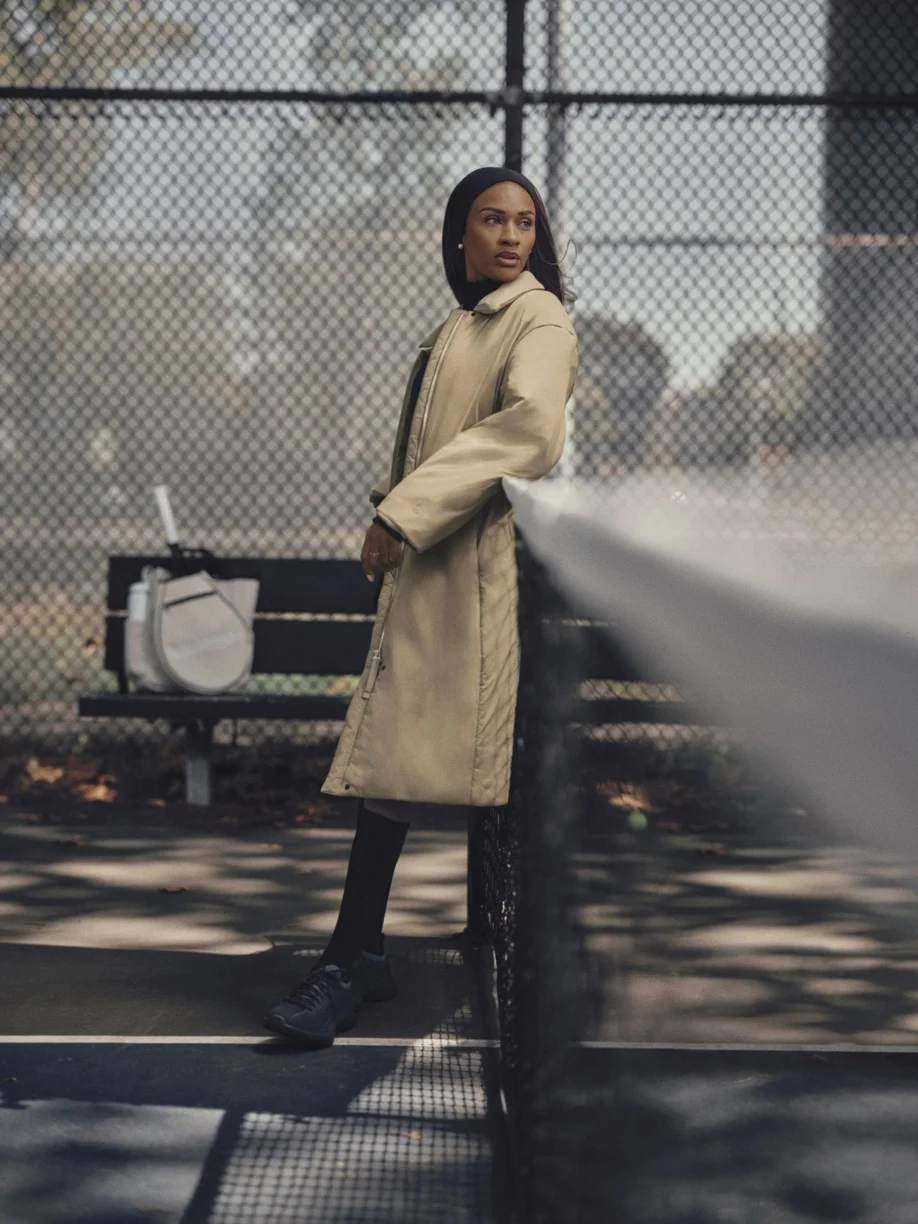
Its new outerwear range is positioned around daily movement, with silhouettes intended to remain polished while incorporating insulation, weather protection and packability.
JJ Collier, Vice President of Outerwear Design at lululemon, describes the approach plainly: “At lululemon, we create premium products that solve for unmet needs. For this collection, we brought materials and technologies typically associated with top-of-mountain conditions into versatile, elegant garments designed to move with our guests throughout their day.”
That distinction matters. The collection is not being presented as specialist expedition kit. Its challenge is rather more mundane, and arguably more demanding commercially: making technical clothing people actually want to wear repeatedly to work, training, travel and everywhere in between.
Why 900-fill down matters
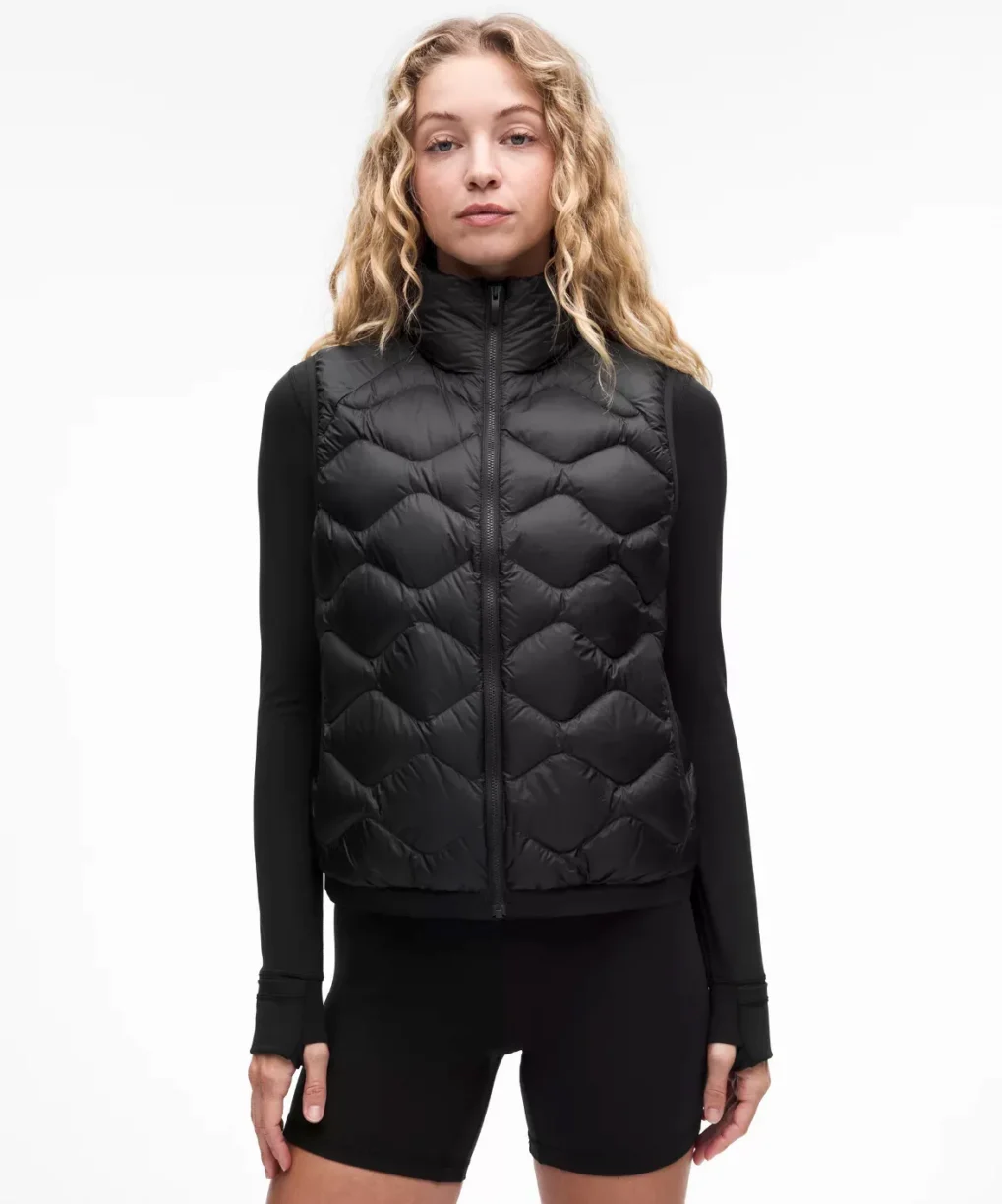
One of the collection’s more notable specifications appears in the Featherweight range, which uses 900-fill-power, RDS-certified down.
Fill power is essentially a measure of how efficiently down lofts and traps insulating air. Higher figures generally allow warmth to be achieved with less weight and bulk.
For everyday clothing, that can be particularly useful. Nobody objects to being warm. Looking as though one has been upholstered is rather less universally appealing.
The promise of the Featherweight pieces is therefore not simply insulation, but insulation in garments designed to remain relatively light and compressible.
As ever with clothing, the specification is only part of the story. Fit, construction and the way a jacket actually feels during a normal day will ultimately determine whether those technical advantages translate into something useful.
PrimaLoft takes on damp conditions
The ThermoZen™ pieces take a different route, using PrimaLoft® Gold insulation.
Its practical advantage is its ability to retain heat even when wet, which is a useful quality in clothing intended to deal with cold and damp weather rather than cold alone.
That distinction can become important surprisingly quickly. A beautifully warm garment is rather less impressive once persistent rain has introduced itself to proceedings.
Later in the season, lululemon says it will become the first brand to introduce PrimaLoft® UltraPeak™, which it describes as PrimaLoft’s warmest insulation technology to date. UltraPeak will appear exclusively in lululemon’s new Hi-Loft Collection.
The broader fabric offering also includes SoftMatte™ and Glyde™, materials being used to combine weather protection with a more considered finish and hand-feel.
That aesthetic element should not be dismissed as cosmetic. Technical clothing increasingly has to succeed in places where pure performance kit once received a free pass. Warmth matters, but so do drape, texture, shape and whether somebody feels remotely presentable once they get indoors.
Lewis Hamilton fronts a deliberately broad campaign

The campaign itself reinforces the idea that this is not simply alpine clothing brought down to sea level.
“Quiet the Weather” features five lululemon Ambassadors: Lewis Hamilton, Chris Lee, Ayan Broomfield, Mark Tortell and Shota Yamaguchi.
The group spans Formula 1, music and acting, tennis, middle-distance running and hybrid training. Hamilton is a seven-time Formula 1 World Champion; Broomfield is a collegiate tennis champion and philanthropist; Tortell is a professional middle-distance runner; and Yamaguchi is a hybrid athlete and co-founder of Brick by Tokyo.
It is an intentionally varied cast, and one that frames the collection around movement rather than any single sport.
That suits lululemon’s broader proposition. These are garments intended for people whose day might involve exercise, commuting, travel and work without the courtesy of a wardrobe change every time the activity does.
The opening range starts at £228
Premium insulation brings premium pricing.
The women’s Wonder Puff Bomber Hoodie is listed at £298, while the Featherweight 900-Down-Fill Quilted Jacket costs £248. The Featherweight 900-Down-Fill Quilted Vest is £228.
For men, the Wunder Puff Jacket is listed at £298. The Featherweight Stand-Neck Quilted Puffer reaches £348, while the 900-Down-Fill Quilted Hooded Jacket is £248.
At those prices, warmth alone is unlikely to settle the buying decision.
The value proposition rests on whether the combination of insulation, low bulk, weather protection, finish and versatility earns enough regular use to justify the investment. A technical coat used five days a week has a rather different argument to make from one that emerges twice each winter before returning to the cupboard.
The real test is how little you notice the technology
That may be the most interesting aspect of lululemon’s approach.
There is plenty of technology here to talk about — 900-fill down, PrimaLoft Gold, the forthcoming UltraPeak insulation and proprietary fabrics among it — but the strongest version of this collection will be the one in which all of that becomes almost invisible.
A good everyday winter jacket should not require its owner to admire its specification every morning. It should be warm without feeling cumbersome, protective without looking overbuilt and comfortable enough that reaching for it becomes automatic.
lululemon is betting that consumers increasingly want performance clothing that can quietly do its job beyond the boundaries of sport.
No summits required. Just cold wind, wet pavements and somewhere to be.