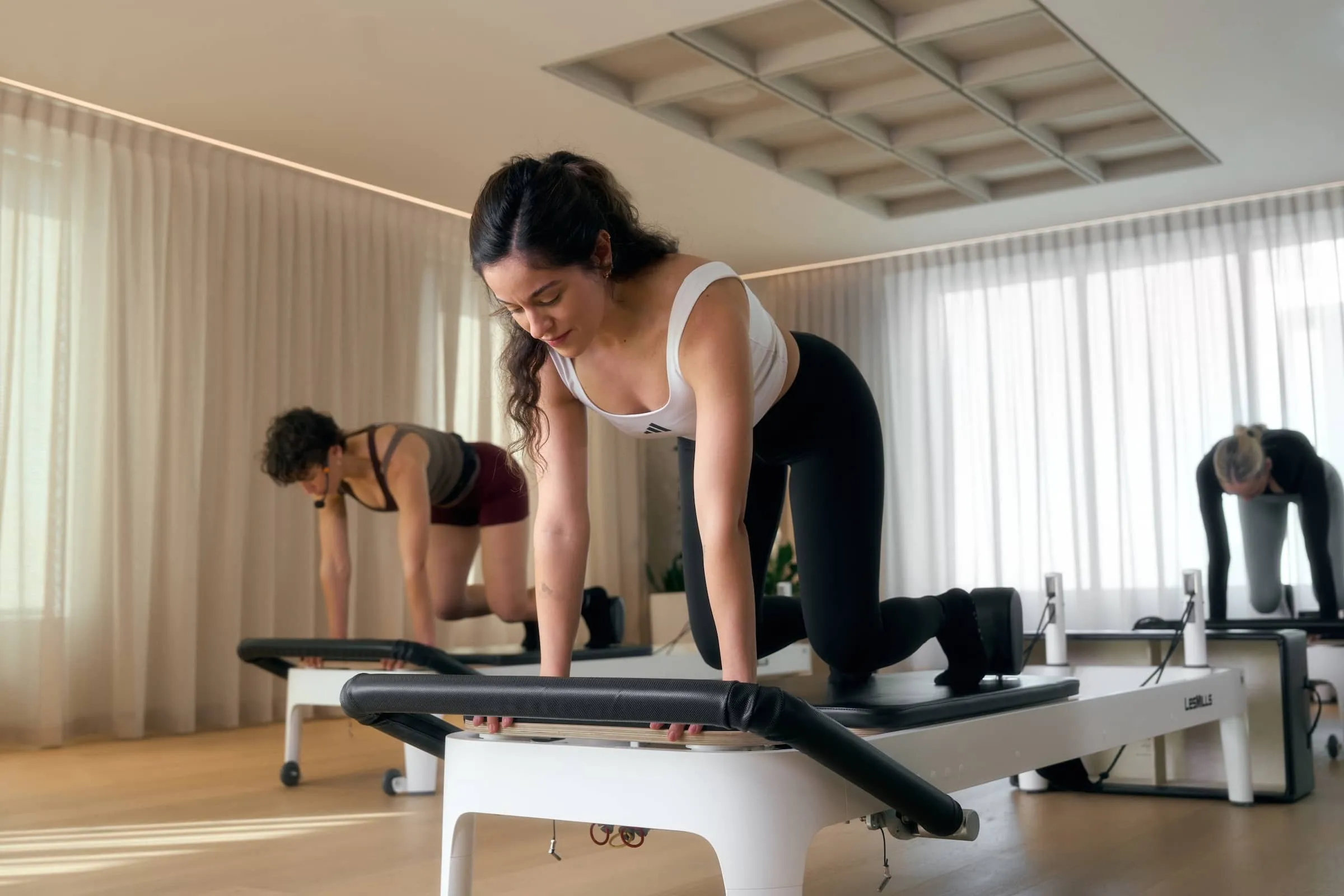
LES MILLS REFORMER adds music-led choreography and instructor guidance to Reformer Pilates, with a UK club rollout planned for later this year.
LES MILLS REFORMER is Les Mills’ attempt to make one of fitness’s most fashionable formats feel less like a boutique ritual and more like a group workout people can simply walk into and understand.
The new class combines Reformer Pilates with music-led choreography and an instructor performing every movement alongside participants, with a rollout in UK clubs planned for later this year.
There is some logic behind the timing. Reformer Pilates has moved rapidly beyond its specialist studio origins. The launch material cites online searches rising by 57% since late 2024 and says the number of Reformer Pilates businesses in the UK increased tenfold between 2024 and 2025.
Those are sizeable claims about a category that, not very long ago, involved explaining to half the population why the Pilates equipment looked faintly like an Edwardian medical contraption.
Why Les Mills is betting on Reformer Pilates
The interesting part of the launch is not that another fitness company has noticed Reformer Pilates. That particular secret escaped some time ago.
It is the format Les Mills is applying to it.
The company is taking the mechanics of Reformer training — controlled resistance, low-impact movement and an emphasis on strength and posture — and putting them through its established group-fitness machinery: prescribed choreography, instructors, music and classes designed to feel consistent.
That could matter to people attracted by Reformer Pilates but less enamoured with the uncertainty of arriving at an unfamiliar studio and being introduced to springs, straps and a moving carriage while attempting to retain some personal dignity.
Music gives LES MILLS REFORMER its obvious difference
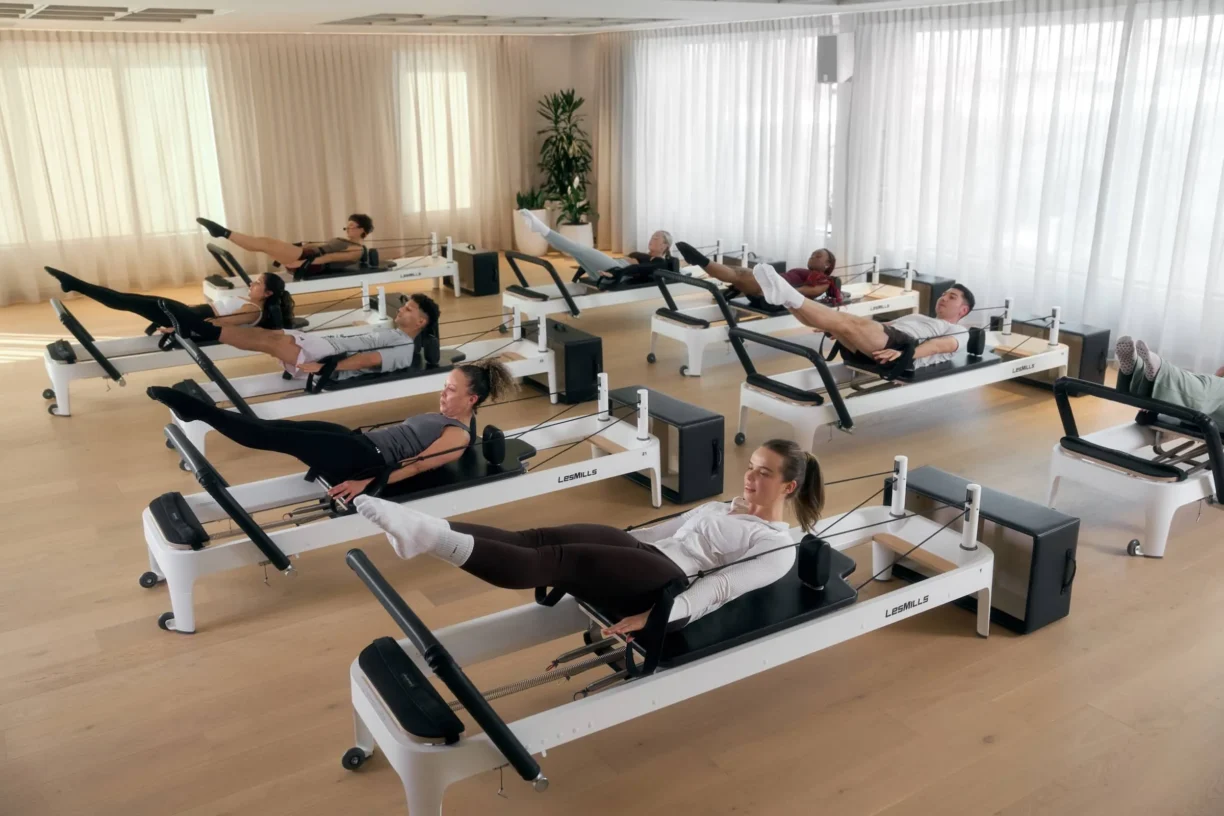
Every movement in LES MILLS REFORMER is synchronised to music.
That is more significant than simply supplying a playlist while everybody performs leg circles.
Les Mills is explicitly making rhythm part of the class structure, using music to dictate the flow of movement and create the communal experience it describes as the “Group Effect”. The company says that approach can support motivation and retention.
It also provides LES MILLS REFORMER with a readily understandable point of difference. Traditional Reformer teaching can be deliberate and technically focused. Les Mills is betting that a stronger musical pulse and collective rhythm can preserve the control of Pilates while giving the session more of the energy associated with a conventional group exercise class.
Whether devotees of quieter Pilates studios regard that as progress or someone turning up the stereo remains to be seen.
Instructor-led classes aim to shorten the learning curve
The instructor performs the workout on a Reformer bed alongside the class, giving participants a visual reference rather than relying entirely on spoken cues.
For newcomers, that may be one of the more useful elements.
Reformer Pilates has vocabulary, equipment settings and movement patterns to learn simultaneously. Being told where to put a foot is one thing; seeing somebody demonstrate it while your own carriage appears determined to leave without you is another.
Classes are also pre-choreographed. Les Mills argues that the consistency helps participants develop technique safely while recognising progress between sessions.
There is an obvious trade-off. Standardisation provides familiarity and can make a programme easier to scale across multiple clubs, although it inevitably differs from the more individually adjusted experience available in smaller specialist settings.
Accessibility is the bigger ambition
Les Mills repeatedly positions the programme as Reformer Pilates for a wider audience, from first-time participants to people already attending regular classes.
That is perhaps the most interesting claim attached to the launch — and the one requiring the most evidence once classes reach clubs.
Reformer Pilates has developed a reputation as a premium form of exercise, partly because each participant requires a substantial piece of equipment and class capacity is consequently limited.
LES MILLS REFORMER may lower the psychological barrier by making the class structure familiar and heavily guided. The supplied announcement, however, does not provide membership costs, individual class prices, participating UK locations or class capacities.
Accessibility ultimately depends on rather more than being welcoming once somebody reaches the machine.
Who is LES MILLS REFORMER aimed at?
The programme is described as a full-body, low-impact sculpt workout intended to develop strength, posture and general movement quality.
Its broadest appeal is likely to be among people who like the idea of Reformer Pilates but prefer group classes with clearly defined choreography and an instructor they can follow visually.
Existing Reformer users may find the music-led structure appealing too, particularly if they want something with more collective energy than a conventional studio session.
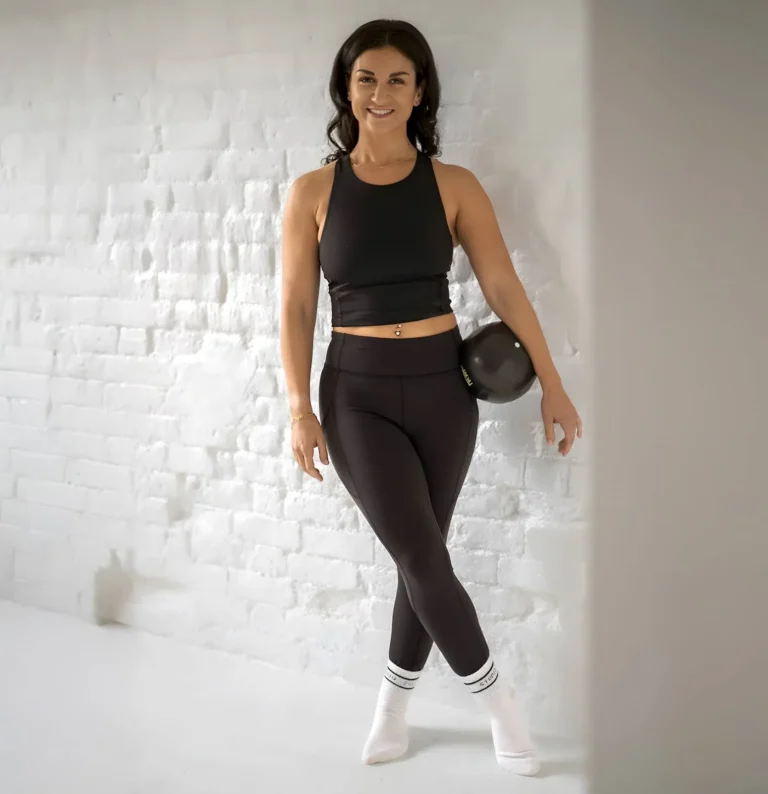
Summer Bradley, co-creator of LES MILLS REFORMER, says the intention was to broaden that appeal.
“Reformer Pilates has been growing for years, and we wanted to bring something new to the workout that would have everyone wanting to be a part of the Reformer movement”,
Bradley also explains how the programme was developed:
“We spent a long time figuring out what people really wanted from a class like this. The result is a challenging but fun workout set to the best music, with the best instructors guiding you every step of the way, and open to anyone, whatever level they’re starting from.”
LES MILLS REFORMER now has to prove the promise
LES MILLS REFORMER is due to begin appearing in clubs across the UK later this year.
On paper, its proposition is easy enough to understand: take a booming but still comparatively premium exercise format, reduce some of the intimidation around learning it and inject the familiar Les Mills combination of instructors, choreography and music.
The unanswered questions are practical ones. How widely will it be available? At what cost? And will a standardised, beat-driven experience attract people who have so far regarded Reformer Pilates as too expensive, too technical or simply not for them?
Those answers will determine whether LES MILLS REFORMER genuinely opens the doors or merely puts a louder soundtrack behind them.
For now, the Reformer has found the beat. The difficult part is making sure everyone gets a bed.