Keeping your dog cool in the summer heat takes more than ice water. Try 10 expert-backed tricks, from cooling paws to frozen carrots.
Keeping your dog cool in the summer heat requires rather more thought than filling the water bowl, deploying a cooling mat and congratulating yourself on a job well done.
As temperatures rise across the UK, some of the most useful tricks are considerably less glamorous: cooling paws, drawing the curtains, moving dinner into the freezer and allowing the occasional bit of garden excavation to pass without a disciplinary hearing.
Dogs have limited ways of shedding excess heat. Panting does most of the heavy lifting, while areas with less fur can play an important role in cooling. That makes prevention particularly important for dogs already more vulnerable to overheating, including older animals, puppies, overweight dogs and flat-faced breeds.
Darren Beale, CEO of fresh dog food company Years, argues that owners can sometimes make matters worse by concentrating on cooling the entire coat rather than thinking about where heat can escape most effectively.
“Most owners know not to walk their dog in the middle of the day, but there are plenty of simple tricks that fly under the radar.
The biggest mistake people make is assuming the whole dog needs cooling. In reality, targeting areas like the paws, belly and inner thighs is often far more effective than soaking their entire coat.
Small changes around the home and during walks can make a real difference, particularly for older dogs, flat-faced breeds and overweight dogs that are more vulnerable to heat-related illness.”
Start with the paws, belly and cooler surfaces
For an otherwise well dog that simply needs help staying comfortable, Beale suggests concentrating cooling on the paws, belly and inner thighs rather than automatically drenching the animal from head to tail.
A cool, damp towel placed on the floor is another straightforward option. It gives the dog somewhere chilled to settle without pressing an extremely cold ice pack against the skin.
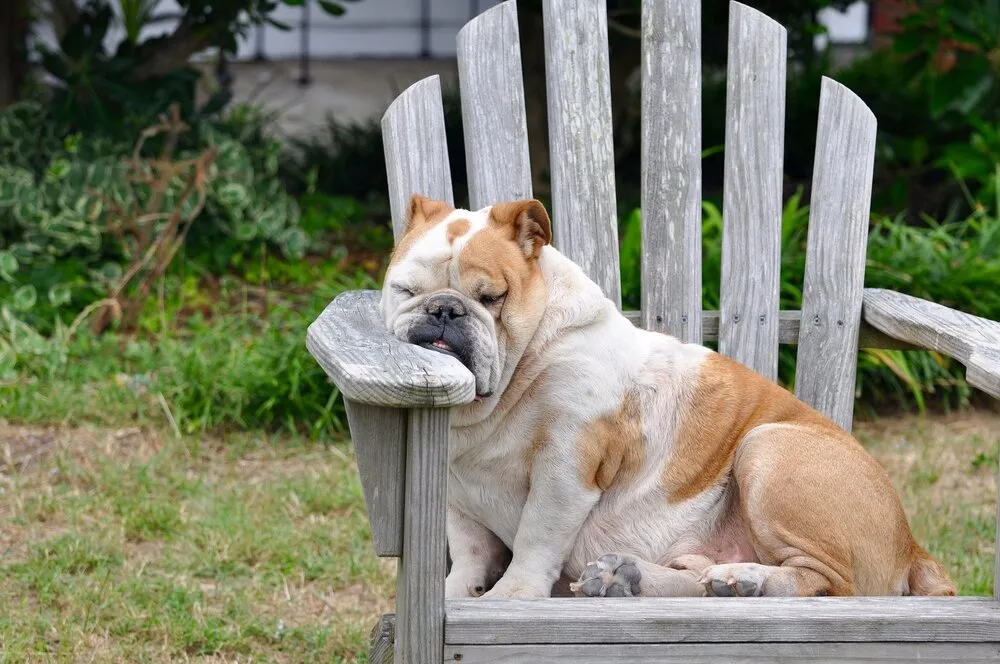
The dog’s own behaviour can provide a clue. Tile, stone and other hard floors tend to remain cooler than carpet, which explains the familiar summer sight of a dog spread across the kitchen floor with all the elegance of a dropped bearskin rug.
Owners can help by creating one deliberately cool room. Close curtains during the hottest part of the day, keep direct sunlight out and use a fan to circulate air.
Frozen carrots are more useful than they sound
The freezer can earn its keep too.
Carrots, cucumber slices and green beans can be offered frozen as a cooling snack, providing moisture, crunch and something to occupy the dog. As with any treat, portions should remain sensible and any individual dietary restrictions take precedence.
A favourite rubber toy can also be chilled for a short period before being handed over. It will not transform the sitting room into an Alpine retreat, but it provides enrichment while giving the dog something pleasantly cool to chew.
Dinner can receive similar treatment. A portion of suitable fresh food can be lightly frozen inside a lick mat or enrichment toy, slowing the meal down while turning feeding into an activity.
There is another useful adjustment on very hot days: smaller meals. Digesting a large amount of food produces metabolic heat, so splitting the normal daily allowance into smaller portions may leave some dogs feeling more comfortable.
Give the walk a miss and exercise the nose instead

One of the more persistent summer mistakes is treating the evening walk as compulsory simply because the clock says it is late enough.
After a hot day, pavements, walls and buildings can continue radiating stored heat well after sunset. An apparently pleasant evening may therefore still be uncomfortable at dog level. Delaying the walk further can be the sensible decision.
There is no requirement for every bit of canine stimulation to involve covering mileage, either.
On the hottest afternoons, scatter a few treats around the house, use puzzle feeders or set up simple scent games indoors. Sniffing and problem-solving provide mental work without asking the dog to undertake unnecessary physical exertion in the heat.
It may lack the majesty of a five-mile hike. The dog is unlikely to lodge a formal complaint.
That hole in the garden may have a purpose
Dogs are remarkably capable of discovering the coolest part of a property without consulting an app.
If a dog begins digging in a shaded patch of garden, the behaviour may have a practical explanation. Soil below the surface can be cooler, and dogs may instinctively seek it out as somewhere more comfortable to lie.
Provided the location is safe, occasional digging in a shaded area need not automatically be treated as bad behaviour.
Between that, a cool room and access to fresh water, owners can give dogs several places to regulate their comfort rather than relying on a single cooling product.
Know when ordinary heat becomes an emergency
The distinction between keeping a comfortable dog cool and dealing with suspected heatstroke matters.
Home cooling tricks are preventive measures. Once a dog is showing clear signs of heat illness, the priority shifts to veterinary attention.
Beale said: “Heavy panting, excessive drooling, bright red gums, lethargy, wobbliness or vomiting should never be ignored. Dogs can deteriorate surprisingly quickly once they begin overheating.
If you suspect heatstroke, move your dog somewhere cool immediately, offer small amounts of water and contact your vet as soon as possible.”
Those warning signs deserve particular attention because deterioration can be rapid. Owners should not wait to see whether a severely unwell dog simply perks up after a spell on the kitchen tiles.
Beale added that prevention remains the safer approach.
“Every dog handles heat differently. Puppies, senior dogs, larger breeds and flat-faced breeds often struggle far sooner than owners expect, so it’s always better to be cautious.”
The best dog-cooling trick is often restraint
Keeping your dog cool in the summer heat is ultimately less about buying another piece of summer equipment and more about adjusting the day around the temperature.
Close the curtains. Delay the walk. Use cooler rooms. Give the brain something to do while the legs remain indoors. Chill an appropriate snack. And if the dog elects to spend the afternoon motionless on the bathroom floor, accept that it may have developed the soundest heat-management strategy in the house.
Sometimes excellent dog ownership consists largely of knowing when not to do very much at all.