How to properly train for a new sport: build up gradually, protect muscles and joints, recover well and know when pain means stop.
If you are wondering how to properly train for a new sport, the first piece of advice is considerably less exciting than buying new kit: start more slowly than your enthusiasm would prefer.
Sporting summers have a habit of convincing otherwise sensible adults that a few hours watching elite athletes constitutes adequate preparation for becoming one. Unfortunately, muscles, tendons and joints tend to take a dimmer view of the arrangement.
The trick is not merely to get moving, but to give the body time to adapt to unfamiliar loads, movements and demands. That means progressive training, proper warm-ups, sensible recovery and the occasional ability to admit that the little pain in your calf is not evidence of character development.
Start with fitness, not fantasy

Elite sport inspires rather more readily than perspective.
We see athletes at competition pace, after years of conditioning, technical work and carefully managed training. We rarely see the tedious but essential hours spent warming up, cooling down, receiving treatment or deliberately doing very little.
Dr Tim Bond, natural health specialist and researcher from the Puressentiel expert hub, puts it effortlessly: “When we watch athletes competing in the stadium or on TV, we see them at the peak of their fitness, the result of years of dedication to their sport.
“What we don’t see is the essential behind-the-scenes work, including how carefully they look after and care for their muscles and joints, through structured training, warm-ups, cool-downs, rest and recovery days, massages and physiotherapy sessions.”
That principle applies just as much to the recreational runner, golfer, tennis player or padel convert, even if their medical department consists of a packet of frozen peas and somebody on WhatsApp saying, “You’ll be fine.”
Build duration, intensity and frequency gradually. Your first tennis session does not require five sets. Your first run need not settle an old score with your 25-year-old self. A body adapts through repeated exposure, not one heroic afternoon followed by three days descending the stairs sideways.
Warm up for the sport you are actually playing
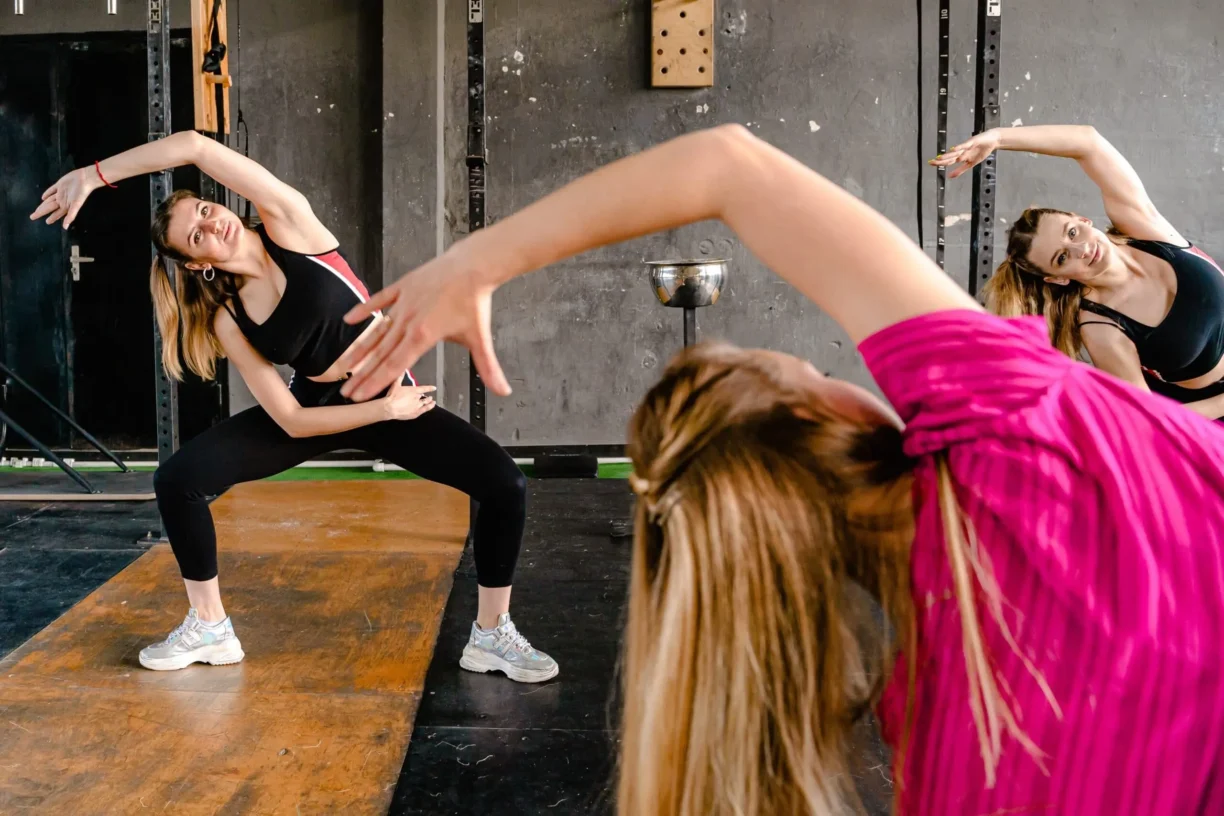
A decent warm-up should prepare the movements that are about to follow.
Golf, tennis, running, football and cycling all make different demands on the body, so preparation should bear some relation to the activity rather than being a ceremonial touch of the toes beside the car.
Start with easy movement, then introduce controlled actions similar to those required by the sport: gentle practice swings, short accelerations, mobility work or bodyweight movements through the ranges you will actually use.
The purpose is to become ready, not tired.
Cooling down can be similarly useful, particularly because those quieter minutes often reveal the first signs that something is not quite right.
Don’t mistake pain for dedication

Some muscular soreness after unfamiliar activity is hardly unusual. Sharp pain, pronounced swelling, sudden loss of function or discomfort that becomes increasingly severe during exercise belongs in a different category.
Dr Nisa Aslam, GP and an advocate of Puressentiel, describes a familiar trap: “However, what often happens is people experience a sudden spike of motivation and enthusiasm and rush into a new activity too quickly, and without proper preparation, this can lead to injury, such as muscle and joint pain, which can quickly bring their new passion to a halt.
“This can result in them either calling it quits or trying to push through discomfort, placing additional strain on muscles and joints.”
There is a sensible territory between retiring from sport because your thighs ache after the first session and regarding every painful signal as weakness leaving the body.
Persistent, severe or concerning pain deserves proper assessment rather than another workout performed through gritted teeth.
Recovery is training too
Learning how to properly train for a new sport also means learning when not to train.
Rest days, sleep, nutrition, hydration and sensible spacing between hard sessions are not the dull bits surrounding the programme. They are part of it.
Research supplied by Puressentiel found that 85% of respondents had experienced muscle or joint pain at some point. It also reported muscle aches and pains among 55%, joint aches and pains among 45%, pulled muscles among 28%, post-exercise or physical-work stiffness among 26% and sprains among 22%.
Those are company-supplied research figures rather than independent population data, so they should be viewed in that context. Still, they underline an unsurprising truth: ask enough people who exercise and you will not struggle to find a collection of rebellious knees, stiff shoulders and calves with grievances.
More positively, the same research found that 83% would like to be more active.
The appetite is clearly there. The challenge is keeping enthusiasm from behaving like an unsupervised Labrador.
Where Puressentiel fits into my own kit bag
There is also a personal point worth making here.
Honestly, and I say this without my arm being twisted I can honestly endorse the Puressentiel products because I use and rate the brand well beyond its muscle and joint range. That includes products for the sort of everyday irritations that accompany an active life, from bites and stings to its respiratory and air sprays.
And, for clarity, this is not a paid endorsement. Puressentiel has not paid me to say that.
That matters because recommendations carry rather more weight when they come from actual experience instead of a paragraph copied from the side of a box. In my case, the muscle-recovery products form part of a wider range from the company that I have found useful for several different purposes.
For exercise specifically, Puressentiel offers rollers, gels, massage oil, heat balm and cooling products using combinations of essential oils, plant extracts, menthol and warming ingredients.
And there remains an important distinction: a topical product may help soothe an uncomfortable area, but it does not absolve you from finding out why something repeatedly hurts.
Make recovery part of the habit, not the rescue mission
There is a tendency to think about recovery only after something has gone wrong.
A better approach is to build it into the routine from the beginning. Warm up. Increase workload sensibly. Give heavily worked muscles time to recover. Use massage, cooling or warming products if you find them helpful. Most importantly, notice patterns.
If the same knee complains every time you run, the answer probably lies a little deeper than applying more determination.
Dr Aslam says: “The powerful effect of exercise and sport is more than just physical.
“Half of the people in the Puressentiel research said they felt happy after their activity or workout, with over a third (35%) reporting more energy and over a quarter (26%) saying it left them feeling invigorated.”
And that, ultimately, is the point.
Starting a new sport should improve your life rather than briefly take it over. Begin cautiously enough to stay interested, train intelligently enough to keep progressing and give recovery the same respect as the workout itself.
After all, the most impressive fitness programme is not the one that leaves you destroyed after ten days. It’s the one you’re still enjoying months later, preferably without having to explain to a physiotherapist exactly what possessed you.