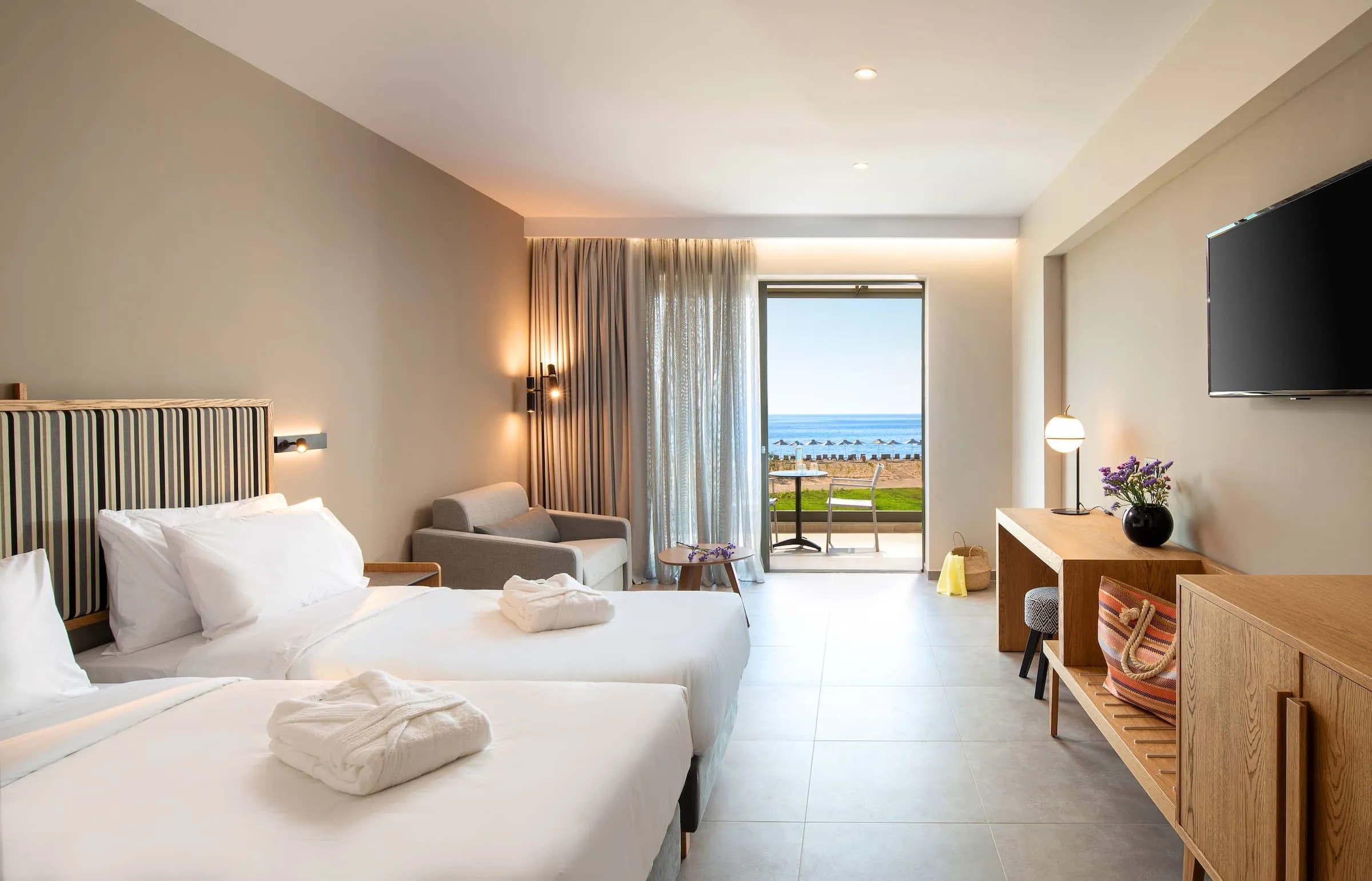
From blackout curtains to breakfast times, the details that influence how well you sleep, eat and exercise on holiday are rarely the ones given top billing. Here’s how to spot a hotel that genuinely suits your wellbeing.
Hotel listings are remarkably good at turning ordinary features into acts of personal transformation. A shower becomes a “sensory ritual”, a small gym becomes a “performance studio”, and a bowl of apples near reception somehow represents a complete nutrition programme.
None of this means the hotel is unsuitable per se; it simply means wellness-minded travellers need to read past the adjectives to find out whether its rooms, facilities, food and location support the way they actually want to feel and function while away.
Don’t start with the rooftop pool
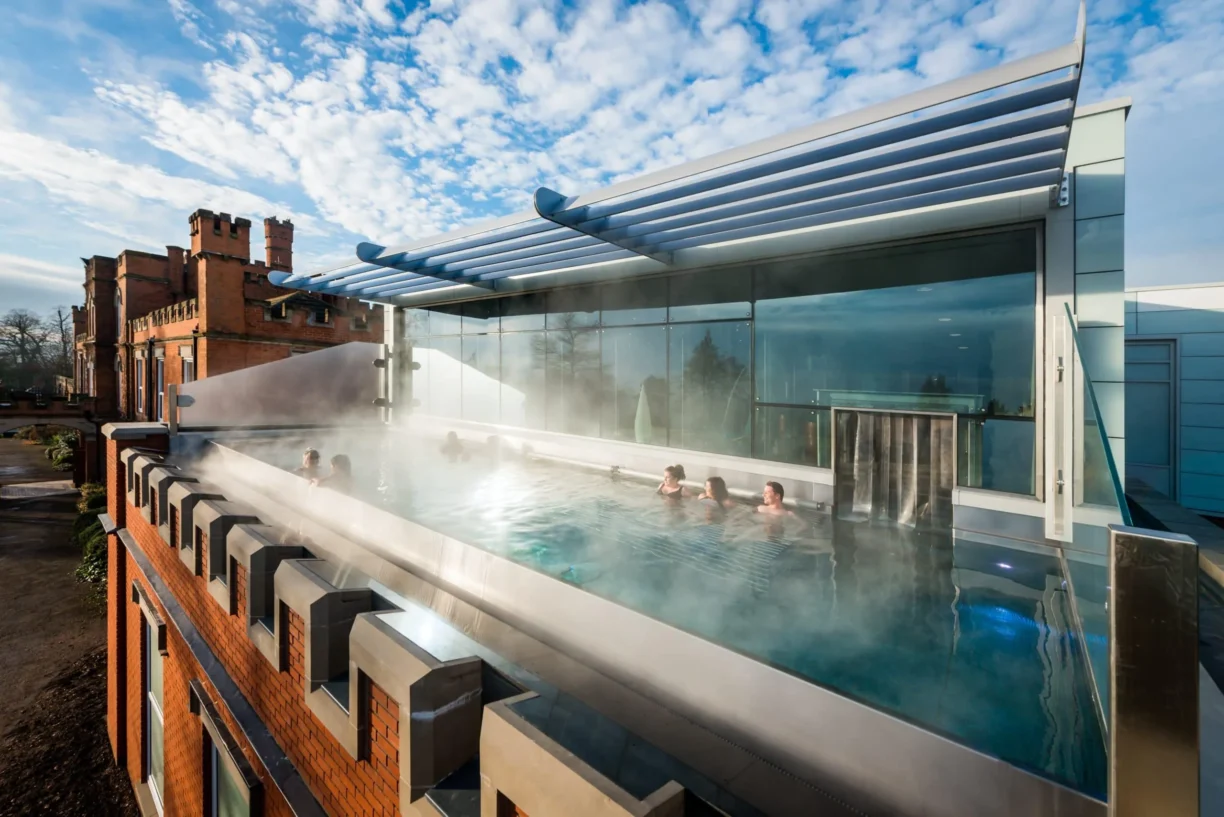
The bedroom will shape more of your stay than the photogenic infinity pool, so begin there. Look for practical details like blackout curtains, effective air conditioning or heating, a choice of pillows, soundproofing and the option to request a room away from lifts, bars or connecting doors.
The NHS advises that a quiet, dark and cool room may make sleep easier, which makes these less glamorous details rather useful.
Study the photographs, too. Sheer curtains, uncovered glass bathroom walls and a bed positioned beside the corridor may tell you more than “designed for deep rest” ever will. If the listing stays vague, ask whether temperature controls are individual, whether windows open and whether quieter rooms can be guaranteed rather than just requested.
Travellers sensitive to light or noise should also check recent guest reviews for repeated patterns, not one furious dispatch from somebody who disliked the carpet.
Make the fitness claim prove itself
Check the photos for free weights, adjustable benches, cardio machines, floor space and drinking water – because “state-of-the-art gym” is not an equipment list. Confirm opening hours and any age restrictions, too. A beautiful treadmill is no help if the gym opens after your day trip leaves.
The same scrutiny applies to pools and spas: ask whether the pool is suitable for lengths or mainly decorative, whether sauna access is included, and whether treatments require advance booking and extra payment.
Adults should aim for at least 150 minutes of moderate activity each week, and any activity is better than none. That makes the area around the hotel part of the wellness offer. Safe pavements, nearby parks, cycle hire and a beach or trail within easy reach may be more valuable than a basement gym you never visit.
Read the food description like a menu
“Healthy breakfast” could mean eggs, yoghurt, fruit and wholegrains; it could also mean one banana guarding a tray of pastries. To be certain, look for an actual sample menu, serving times and clear information on vegetarian, vegan, allergy-aware or other dietary options relevant to you.
A breakfast that begins after an early excursion isn’t part of your plan, however handsome it looks online. In the room, a kettle, reliable fridge and nearby shop can provide useful flexibility without turning a holiday into meal prep with better weather.
Check whether drinking water is freely available and whether late arrivals can still get something sensible to eat.
For long-haul trips, food timing may also collide with sleep timing, so check our practical advice on managing jet lag before choosing a hotel famous chiefly for midnight dining.
Look for what the listing doesn’t say
Wellness language deserves evidence. “Nature-connected” should come with a map, “adults-only tranquillity” needs context if the property sits above a nightclub, while “steps from the beach” should survive a look at the route and gradient.
This matters when comparing last-minute holidays, when urgency can make polished copy feel more informative than it is.
Before booking, make a short personal checklist, then contact the property with two or three specific questions. Save the answers, especially when a feature is essential.
As we have noted in our discussion of hotel choice and traveller wellbeing, different guests need different conditions; a quiet sleeper and an early-morning exerciser may not choose the same room, let alone the same hotel.
A wellness-conscious hotel doesn’t need a meditation gong in reception or a smoothie named after a mountain, but it does need to help you sleep, eat, move and recover in ways that suit the trip you are taking.
And the strongest listing is the one giving the current you enough detail to make a sensible choice.