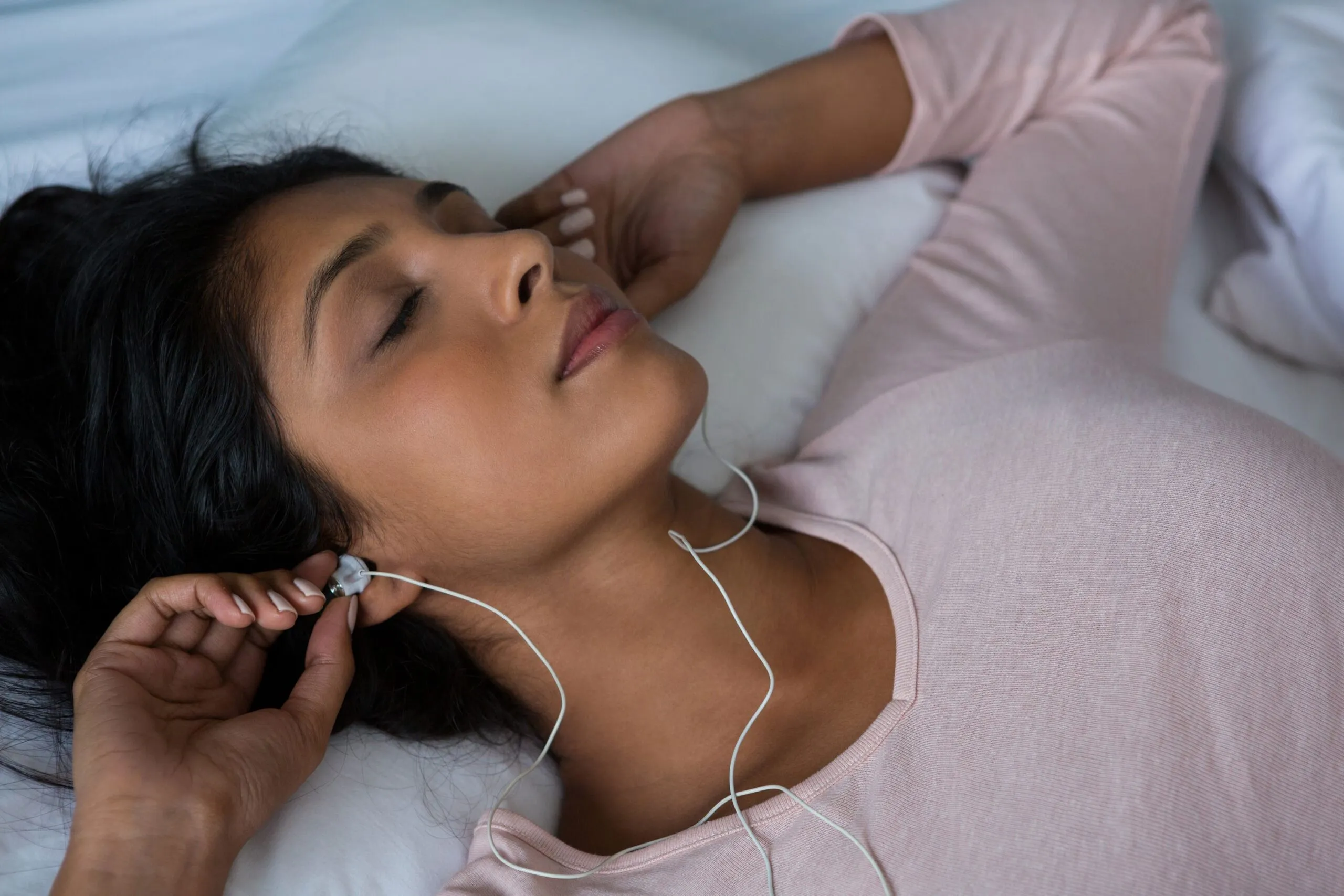
Discover how white, pink, and brown noise support deep, uninterrupted sleep for infants, adults, and seniors alike.
If you’ve ever been jolted awake by the neighbour’s dog at 3 a.m. or found yourself counting ceiling cracks because your bedroom’s as silent as a crypt, you’ll understand why sleep soundscapes have become the unsung heroes of bedtime. They don’t just cover the chaos of modern life — they create a rhythmic lull that your brain starts to trust like an old friend. And in a world running on coffee and cortisol, that trust might just be the secret to getting decent shut-eye.
It turns out the human brain doesn’t switch off when we do. Even while we sleep, it’s tuned in to the world like a radio left on in the kitchen. Every creak, clang, or car horn has the potential to nudge us from deep sleep into a bleary-eyed toss-and-turn fest. Enter sleep soundscapes — the audio equivalent of blackout curtains. Think white noise, pink noise, brown noise (no, not a bowel joke — behave), and the gentle hush of wind or rainfall: consistent, non-threatening sounds that help keep our internal radar from pinging every five minutes.
A Symphony of Science: How Sound Shapes Sleep
During lighter sleep stages, the brain is especially alert to sound. That’s biology’s way of ensuring we don’t get eaten by wolves in our sleep. Helpful in the Stone Age. Less so now. The solution? Consistency. A steady hum — from a fan, noise machine, or a curated playlist — helps mask sudden changes in the environment, like a distant siren or someone raiding the fridge at midnight.
“Sound continuity creates an audio blanket,” says experts in the field. “It allows the brain to stay in deeper sleep phases without constant disruptions.” Translation: it keeps you snoozing instead of shooting upright at the first bump in the night.
White, Pink, and Brown — No, It’s Not a Paint Chart
Each colour of noise offers a different flavour of peace. White noise covers all frequencies equally and is great for blocking out background clatter. Pink noise drops the intensity of high frequencies and delivers a gentler tone. Brown noise? It’s deeper, like the comforting rumble of thunder or distant waves — and it’s particularly good at muting low-frequency urban hums.
Matching the right sleep soundscape to the sleeper is key. What soothes a colicky baby might irritate a tired commuter. But when it clicks, it clicks.
Kids, Chaos, and the Great Sleep Divide
Children, particularly infants, are light sleepers. Their sleep cycles flicker between light and deep stages with all the grace of a malfunctioning disco ball. That’s where sound becomes a sleep coach.
A popular method parents use is a white noise machine for babies, especially during travel or nap time. Just keep the volume low and the device at a safe distance — you’re creating a cocoon, not a club.
“As auditory systems mature, children become more tolerant of noise,” explains sleep researchers, “but consistent background sound still reduces fragmentation.” In other words, even older kids benefit from a steady bedtime soundtrack — and so do their parents.
Adults, meanwhile, may claim to sleep through anything — until the dishwasher beeps or the pub across the road kicks out. Age brings more sensitivity to disturbances, and for many older adults, even a minor disruption can spell hours of wakefulness. Establishing a reliable sleep soundscape can help keep the night uninterrupted, and frankly, we all deserve a little peace.
Set the Stage, Then Let Sound Take the Lead
Sleep isn’t a solo act. It’s a production — and every element, from the lighting to the bedsheets, plays a role. Think of sound as the background score to your bedtime film. Dim the lights, drop the thermostat, ditch the screens, and let the soundtrack do its work.
For children, this multi-sensory choreography is especially potent. A warm bath, a familiar story, and a soothing hum in the background become cues for sleep. Adults, too, can benefit from a calming bedtime routine that involves consistent auditory signals — perhaps with added aromatherapy or tactile comfort. It’s less “luxury spa” and more “functional sanity.”
Don’t Overthink It — Just Listen
There’s no need to turn your bedroom into a laboratory. Start simple. A white noise app, a fan, a playlist of soft rain or ocean waves. Stick with what feels natural and comfortable. The goal isn’t silence — it’s consistency.
Sleep soundscapes don’t promise miracles. But they do offer a gentle push in the right direction — toward longer, deeper, and more restorative sleep. And in a world that glorifies hustle but punishes rest, that’s a rare and precious gift.
So if your nights are more “Netflix and insomnia” than restful reprieve, it might be time to change the tune. Literally.