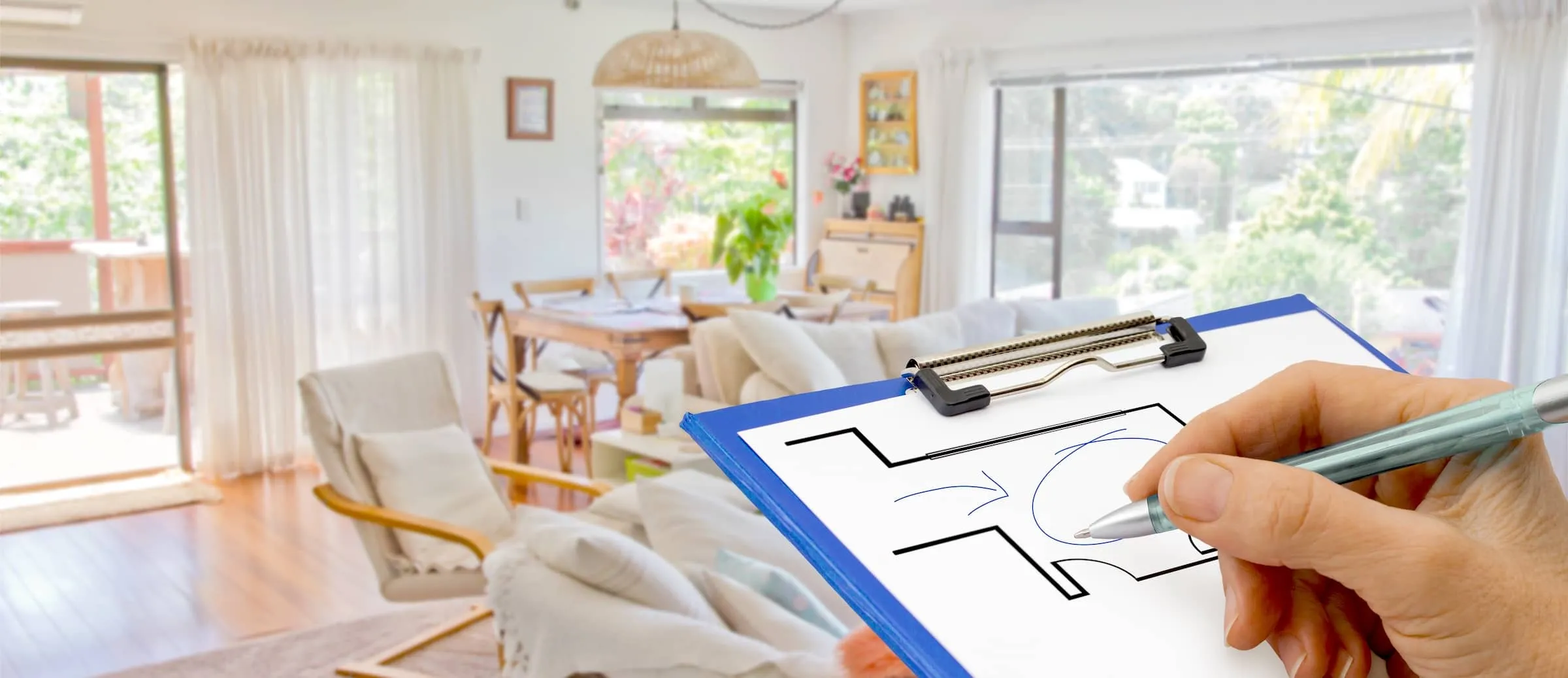
Seven practical home improvements that improve comfort, storage, lighting and everyday flow without turning the house into a building site.
The best home improvements are not always the ones that produce a dramatic before-and-after photograph.
Quite often, they are the changes that stop you swearing at a dark worktop, tripping over shoes in the hall or wondering why one corner of the sitting room feels like February.
If the aim is a more comfortable, practical home rather than a six-month relationship with a skip, small interventions can do a surprising amount of work.
Start With the Daily Irritations, Not the Mood Board
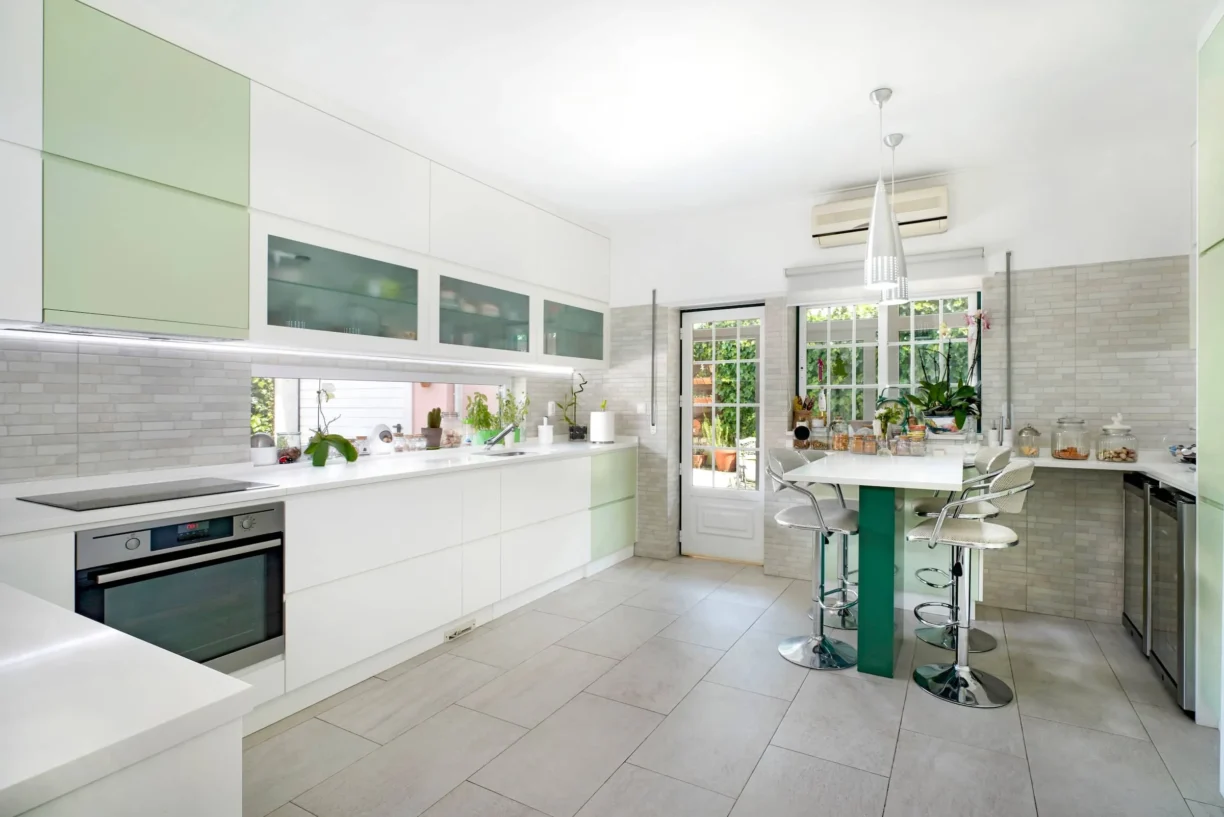
A useful home tends to reveal itself in the boring moments. Where do the coats land? Where do keys disappear? Which cupboard requires the upper-body strength of a tour professional to reach?
Storage is usually the least glamorous answer and often the correct one. Alcoves, the space beneath stairs and underused stretches of wall can all earn their keep. Built-in cupboards are tidy, but simpler additions such as floating shelves and storage benches can be enough to get everyday clutter off the floor.
The entrance deserves particular attention because it handles the household’s daily traffic. Add hooks for coats, give shoes a dedicated home and provide a small shelf or console for keys and post. A hard-wearing mat is hardly the stuff of interiors magazines, but neither is a trail of wet footprints through the house.
Convenience matters elsewhere, too. Extra plug sockets with USB charging points can remove the ritual of hunting for adapters, while smart plugs can make frequently used lamps and appliances easier to control.
Smart heating controls offer another practical gain: fewer trips to the thermostat and more deliberate temperature management through the day.
Fix the Lighting Before Buying More Furniture
Rooms are often blamed for being dull when the real culprit is a single ceiling light doing the emotional range of an airport departure lounge.
Layered lighting is a better approach. Lamps and wall lights can soften living rooms and bedrooms, while task lighting earns its place wherever you cook, read or work. The point is not to turn every room into a lighting showroom. It is to put the right amount of light where people actually need it.
That can also change how existing furniture, colours and materials feel. A room that seemed flat under one hard overhead source may look warmer and more considered once the light comes from several levels.
Before replacing a sofa because the room feels wrong, try changing how the room is lit. The sofa may yet be acquitted.
Make Warmth a Comfort Issue, Not a Decorating Theme
Soft furnishings are useful because they do two jobs without demanding much disruption. Rugs add softness over hard floors; cushions and throws bring texture; heavier curtains can make rooms feel more comfortable in colder months. None requires a contractor to disappear for lunch and return three days later.
Physical comfort also depends on stopping unwanted draughts. Gaps around external doors, window frames and letterboxes can make particular spots noticeably colder, so suitable seals or draught excluders may be a sensible fix.
There is one important distinction: unwanted draughts are not the same thing as deliberate ventilation. Air bricks and trickle vents are there for a reason and should not simply be blocked in the pursuit of a toastier room. A house needs to be comfortable; it also needs to breathe.
Open Up the Route to the Garden
Some improvements change not only how a room looks but how it is used. A stronger connection between an interior living space and a patio, terrace or garden can make both areas feel more useful, particularly where the existing doorway feels mean or awkward.
Large glazed doors bring in natural light and make access to the garden more direct. Aluminium bifold doors are one option where the goal is a wide opening between inside and out.
The attraction is less about architectural theatre than everyday movement. Carrying drinks outside, keeping an eye on the garden or simply allowing the view to become part of the room can make the boundary between the two spaces feel less rigid. It is a bigger intervention than adding a lamp or a rug, but it addresses light, access and the sense of space in one move.
Spend According to Friction, Not Fashion
A sensible order for home improvements is rarely the one dictated by trend cycles. Start with the thing that annoys you most often.
If the hallway is permanently chaotic, storage may beat a new paint colour. If the kitchen feels gloomy at four in the afternoon, task lighting is probably more useful than decorative accessories. If the living room is cold beside the window, deal with the draught before buying another throw and pretending that was the plan.
This approach also makes gradual improvement easier. Not every project needs to happen at once, and not every room needs a visual reinvention. Small changes can be tested in real life, which is far more revealing than a mood board. A shelf either catches the clutter or it does not. A lamp either makes reading easier or it becomes an expensive hat stand.
The Best Upgrade Is the One You Stop Noticing
A well-planned home is not one that constantly reminds you how much money was spent on it. It is one where the ordinary parts of the day work with slightly less resistance.
Better storage, more useful lighting, warmer rooms, easier charging, a calmer entrance and more direct access to the garden all share the same virtue: they solve recurring problems.
That is a sturdier basis for improving a home than chasing whatever finish is currently being photographed beside an artfully placed coffee-table book.
The most successful upgrade may be the one nobody comments on at all — because the house simply became easier to live in.