
Garmin fēnix 9 and fēnix 9 Pro bring brighter displays, faster maps and new stamina tools, while Pro models add LTE and satellite links.
The Garmin fēnix 9 and fēnix 9 Pro smartwatch range has arrived with brighter displays, faster mapping, new endurance metrics and a concerted attempt to make carrying a phone slightly less compulsory.
The larger story belongs to the fēnix 9 Pro, which adds LTE and satellite connectivity on select models alongside a titanium case, AMOLED displays reaching 3,000 nits and new solar-charging options.
This is not Garmin gently sanding the corners off an existing watch. The company has concentrated much of its work on navigation, communication and endurance data — precisely the areas in which a serious outdoor GPS watch earns its place rather than merely occupying some expensive wrist real estate.
Garmin fēnix 9 gets faster maps and a brighter AMOLED display
The standard fēnix 9 receives a substantial hardware update of its own.
Garmin says its AMOLED display is twice as bright as the previous generation, while the watch also retains the sort of construction expected of the fēnix line: a scratch-resistant sapphire lens, leakproof buttons and a dive rating of up to 40 metres.
Navigation has been given more processing muscle. The fēnix 9 carries 50% more RAM than the fēnix 8 and uses an updated mapping engine, with Garmin claiming map panning is now up to 30% faster.
A new perspective view is intended to give users a clearer sense of both the immediate route and what lies farther ahead.
For anyone who has attempted to manipulate a map halfway up a hill, in gloves, while becoming increasingly suspicious of every fork in the trail, faster panning is the sort of improvement that tends to matter rather more outside the showroom.
Memory rises to 64 GB, allowing twice as many maps to be downloaded compared with the fēnix 8. Garmin also says the watch can store up to 7,000 songs.
The standard fēnix 9 will be offered in 43mm, 47mm and 51mm sizes.
New stamina tools put more emphasis on endurance

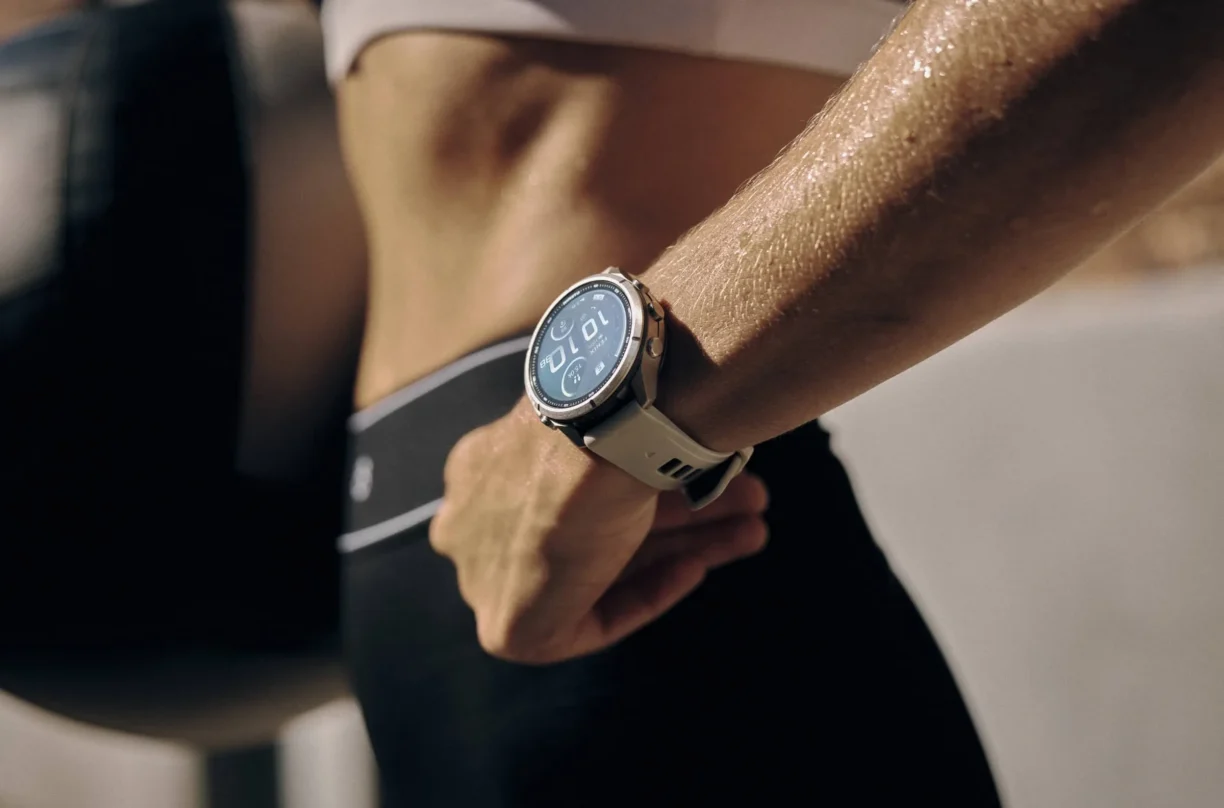
Garmin has also expanded its stamina tracking with two new features: stamina zones and a stamina curve.
The idea is to show how an athlete’s endurance changes over time based on fitness development and training history, while providing additional pacing information during an activity.
Indoor rowing receives extra attention too. When paired with a rowing machine equipped with a power meter, the fēnix 9 can provide VO2 Max information and a power curve.
Rucking functionality has also been expanded. Users can alter pack weight during an activity, follow GORUCK workouts from the watch and set target metrics using pack weights of up to 100kg.
That collection of additions gives some indication of the territory Garmin now considers normal. Running and cycling are merely the opening act.
Garmin Epic turns several activities into one story

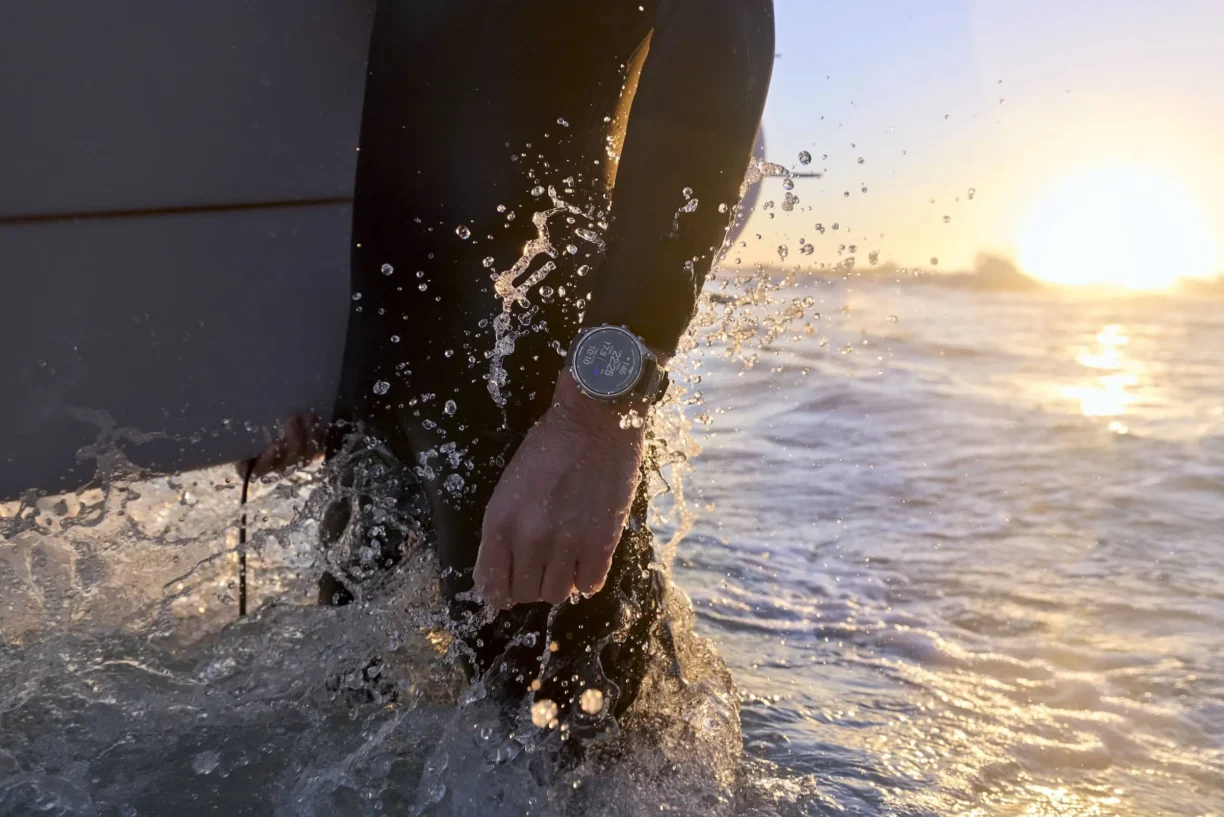
One of the more unusual additions is Garmin Epic, a free Garmin Connect feature designed to bundle several recorded activities into one shareable story.
Activities completed over days, weeks or months can be grouped together, with users able to view health and performance information from that period, add photographs and share the finished Epic with friends and family.
That lends itself naturally to stage races, long hiking trips, cycling tours and other adventures that make little sense when reduced to a procession of disconnected workout summaries.
Garmin is effectively trying to give training data a beginning, middle and end. Fitness apps have spent years becoming extremely good at documenting what happened. Remembering why it mattered has been rather less fashionable.
fēnix 9 Pro adds titanium and a 3,000-nit display
The fēnix 9 Pro builds on the standard model with a redesigned case and additional connectivity features.
For the first time on a fēnix watch, Garmin is using a titanium watch case. The company says a nano-moulding process combines metal and plastic at the molecular level, helping reduce overall thickness while retaining the rugged construction expected of the range.
Its AMOLED displays reach up to 3,000 nits of brightness.
The 51mm version also receives Garmin’s first 1.5-inch AMOLED display, increasing screen area by 15% compared with the fēnix 8 without making the case itself larger.
Selected Pro models will be available with solar-charging displays, while the built-in LED flashlight gains a green mode intended to preserve night vision.
It is a curious combination: part expedition equipment, part exceptionally complicated torch.
Satellite and LTE push the fēnix 9 Pro beyond the phone
The most significant distinction between the two watches is connectivity.
Select fēnix 9 Pro models include inReach functionality using LTE and satellite connections, allowing users to make calls, send messages and access SOS support without having their phone with them.
For the first time, Garmin says inReach connectivity will be available across all three fēnix 9 Pro case sizes: 43mm, 47mm and 51mm.
LiveTrack notifications can be sent through the Garmin Messenger app over LTE, allowing selected contacts to know when an activity has begun and follow its progress. Users can also send messages to pre-selected recipients.
Garmin Locate allows loved ones to view the user’s location through Garmin Messenger when an LTE connection is available, while weather forecasts for a chosen location can now be delivered by satellite as well as LTE.
There is, however, some consequential small print.
An active plan is required. LTE availability varies by region, and Garmin explicitly says the satellite connection and SOS functionality have limitations compared with other inReach devices that can affect the availability of connected features.
For anyone considering the Pro primarily for remote-country safety rather than its shinier display, those restrictions deserve more attention than almost anything written on the front of the box.
Garmin fēnix 9 UK price and availability
The fēnix 9 will be available to order from 28 August, with prices beginning at £859.99 / €999.99.
Garmin quotes up to 29 days of battery life in smartwatch mode for the largest fēnix 9.
The fēnix 9 Pro starts at £949.99 / €1,099.99.
The largest AMOLED Pro model is quoted at up to 31 days of smartwatch battery life, while selected solar models can reach up to 57 days under Garmin’s specified solar-charging conditions: all-day wear with three hours per day outside in 50,000 lux conditions.
New ComfortFit accessory straps will also be offered across the range, using a split-weave fabric design with QuickFit functionality.
Garmin has not reinvented the fēnix so much as pushed it further into territory previously occupied by several separate bits of outdoor equipment.
The fēnix 9 improves the essentials; the Pro adds the more ambitious idea that communication, navigation, training and emergency contact might all live on the same wrist.
For the modern adventurer, apparently even disappearing off-grid now comes with a connection plan.