Be Your Best will support four internationals with VR decision-making training at the 2026 World Cup.
At this year’s 2026 World Cup, football technology is not just about GPS vests, data dashboards and analysts squinting at laptops as though decoding the Rosetta Stone. For four international players, it will arrive in the form of a Meta Quest headset and a rather modern ambition: to think faster when the pitch turns into a stampede.
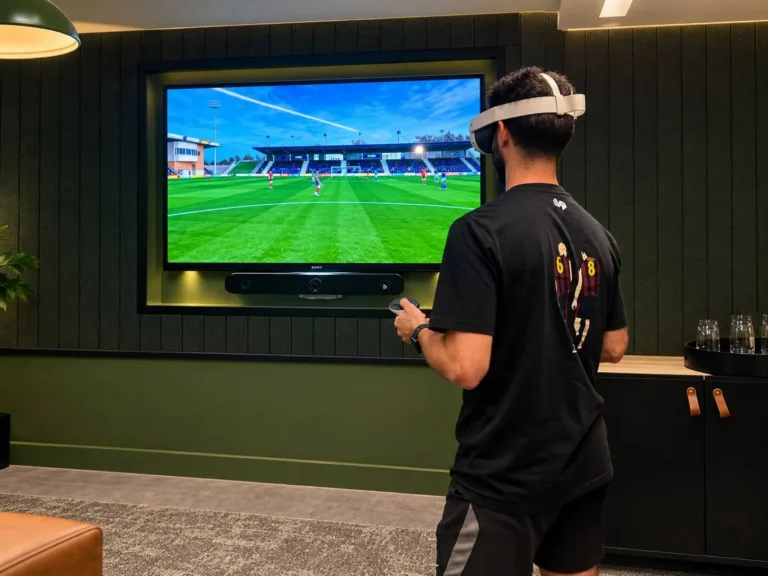
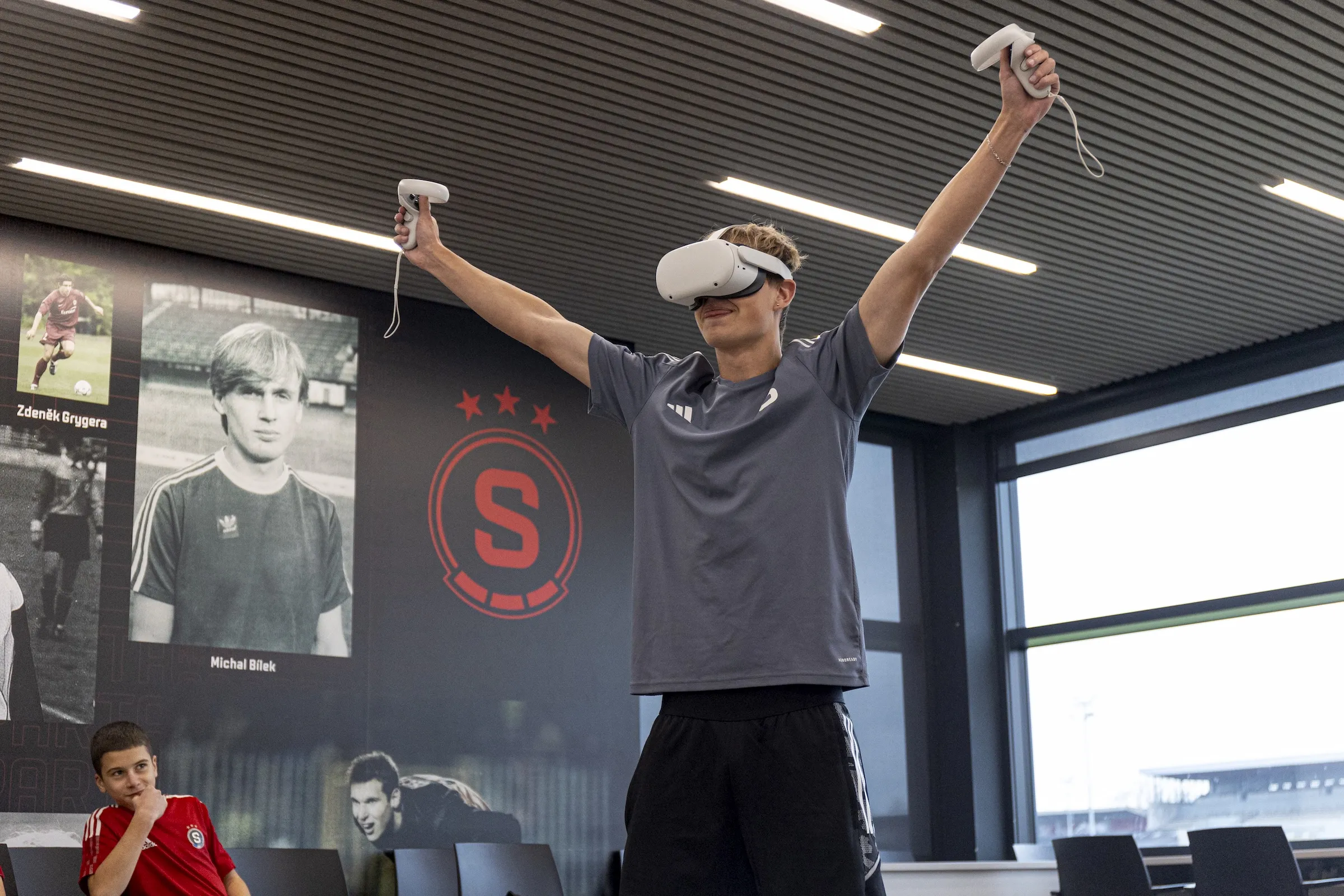
Be Your Best, a football technology company using virtual reality and cognitive science to train decision-making and scanning, has offered its services to more than 250 players competing at the tournament.
Among those set to use it are Ben Waine and Elijah Just of New Zealand, Roberto Lopes of Cape Verde and Duckens Nazon of Haiti. Each will have access to Be Your Best during the tournament, with the aim of sharpening scanning, awareness and decision-making — those tiny footballing details that look invisible until someone forgets them and the ball ends up in the net.
The World Cup’s Quiet Arms Race Is Happening Upstairs
Elite football has long been a contest of lungs, legs and nerve. Increasingly, though, the decisive bit sits between the ears. The best players do not simply run into space; they know where the space will be before it opens, which is a rather inconvenient habit for defenders.
That is where Be Your Best believes it can make a difference. Its technology uses virtual reality scenarios to help players train the cognitive side of the game: scanning before receiving the ball, recognising pressure, weighing options, and making cleaner decisions when the match is moving at a speed most of us would associate with a dropped plate.
It is not a substitute for grass, sweat or the occasional furious full-back. It is an extra layer — football’s version of practising the exam before walking into the room.
Waine, Just, Lopes And Nazon Join The VR Test
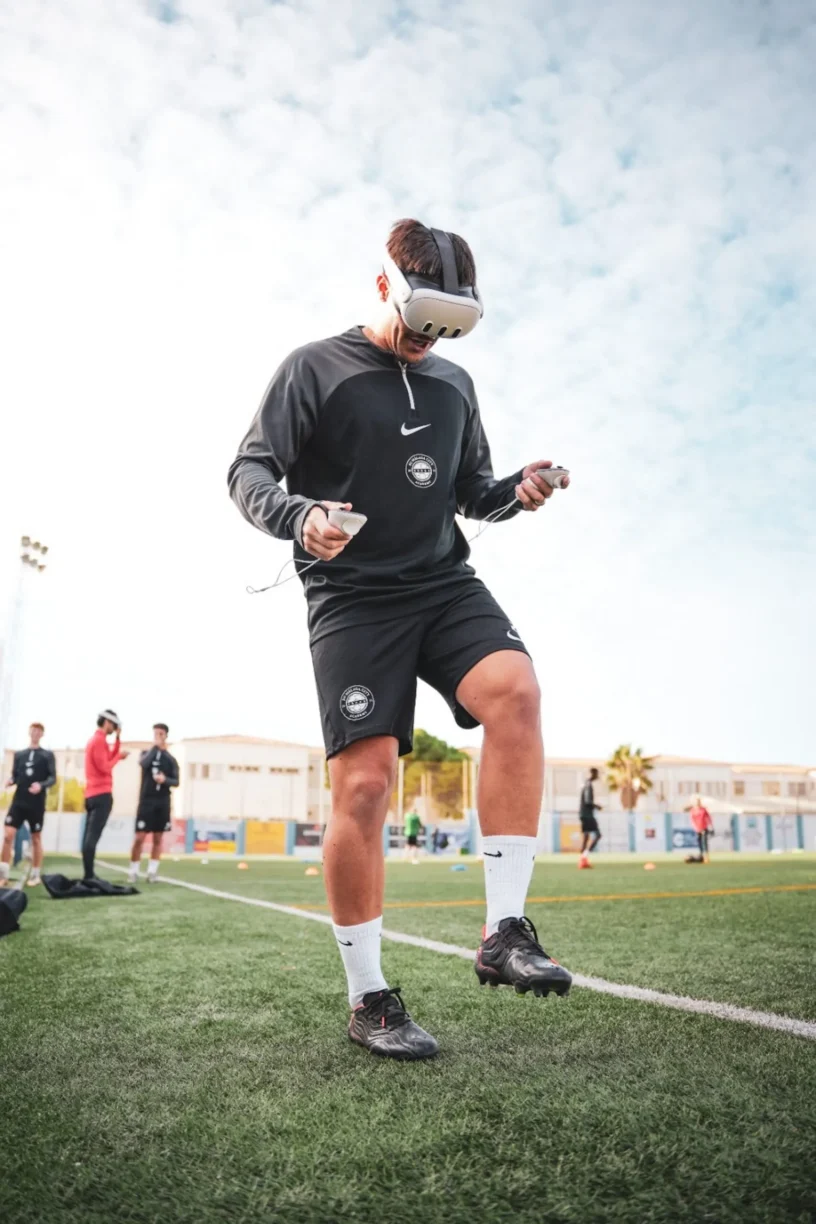
Waine, Just, Lopes and Nazon will use Be Your Best through a Meta Quest headset at the tournament. Over the next six weeks, the company will compare the quartet’s data against some of the world’s best players and share results during the competition.
That is a neat wrinkle. Football has always adored the mystery of instinct. Now it wants to measure the wiring behind it.
The player list also gives the story a useful spread. New Zealand, Cape Verde and Haiti are not merely turning up as decorative fixtures in a global showpiece. Their players are looking for edges wherever they can find them, and in tournament football, a fraction of a second can be the difference between a clean pass through midfield and a counter-attack arriving with all the charm of a tax inspection.
Duckens Nazon Adds Extra Spice For Scotland
Scotland will have their work cut out against Nazon, Haiti’s all-time top scorer, when the two countries meet in their Group C opener on Sunday.
That detail should focus a few minds. Nazon already carries obvious threat; giving him extra work on awareness and decision-making is not the sort of news defenders enjoy reading over breakfast. Tournament openers have a habit of turning small lapses into national talking points, usually accompanied by slow-motion replays and a great deal of sighing.
For Haiti, New Zealand and Cape Verde, this kind of football technology is also a reminder that the modern game’s margins are not reserved for the traditional heavyweights. Smart preparation travels well.
Be Your Best Has Some Serious Names Around It
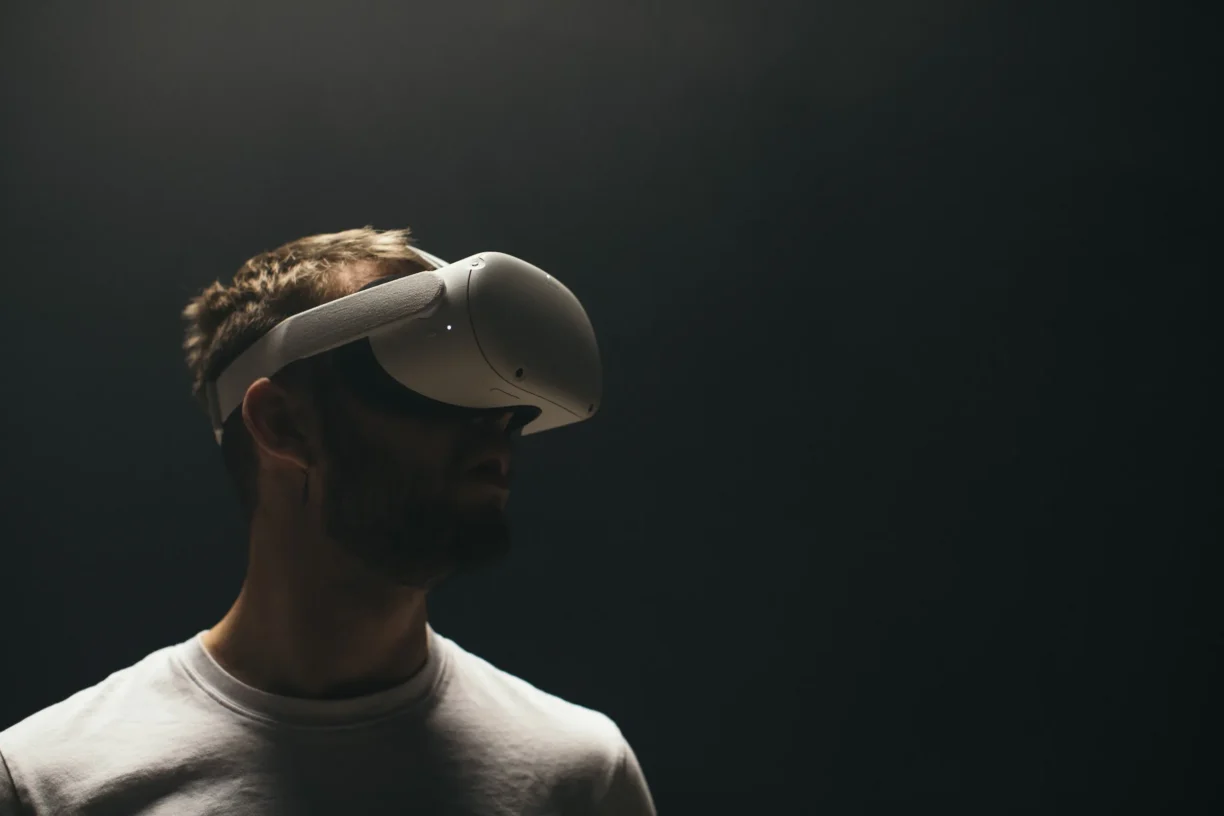
Be Your Best is not arriving at this World Cup as a novelty act in a headset. Marc Guehi, Endrick, Dejan Kulusevski and Aurelien Tchouameni have used the technology to enhance their game, while Chelsea’s Romeo Lavia is an investor in the company.
That matters because footballers, by nature, are finely tuned sceptics. They will try anything once, but they tend to keep only the things that feel useful. A technology designed to improve scanning and decision-making needs more than impressive vocabulary. It has to translate into moments: seeing the runner, playing earlier, resisting the rushed pass, choosing the better option under pressure.
At World Cup level, those moments are brutally expensive.
The View From Be Your Best
Be Your Best CEO Andreas Olsen said: “The World Cup is the ultimate test of decision-making under pressure. We’re excited to support Ben, Elijah, Roberto and Duckens as they prepare for football’s biggest stage.
“At Be Your Best, our aim is to help players improve the cognitive aspects of their game, and these four internationals are embracing every opportunity to gain an edge.
“We’re looking forward to tracking their progress throughout the tournament and sharing insights into how elite-level scanning, awareness and decision-making can influence performance on the world’s biggest stage.”
Why This Football Technology Story Has Legs
The appeal here is not merely that four players will wear headsets. That would be thin gruel indeed. The more interesting point is that football’s performance race is moving into cognitive training with real intent.
Scanning has become one of the great modern buzzwords, though unlike many buzzwords it actually earns its keep. The best midfielders and forwards are constantly checking shoulders, gathering information, and building a live map of the game before the ball reaches them. Done well, it looks effortless. Done badly, it looks like a hospital pass and a manager ageing three years in the technical area.
Be Your Best is trying to train that habit in a controlled virtual environment. If the approach helps players recognise patterns more quickly, it could offer practical value in a tournament where preparation time is limited and pressure is everywhere.
The Edge May Be Tiny — Which Is Exactly The Point
Nobody sensible should claim a headset will win a World Cup match on its own. Football remains too gloriously awkward for that. A bobble, a referee’s decision, a nervous clearance or one inspired bit of mischief can still send the grandest theory limping into the night.
But elite sport is rarely transformed by one enormous leap. It is usually nudged along by small, repeatable improvements. Better scanning. Cleaner awareness. A calmer choice in possession. One more correct decision when the noise rises and the legs begin to complain.
For Waine, Just, Lopes and Nazon, Be Your Best offers a chance to train the eyes and the brain before the boots take over. At the World Cup, that may not sound dramatic. Then again, neither does looking over your shoulder — until it wins you the ball, the pass, or the match.