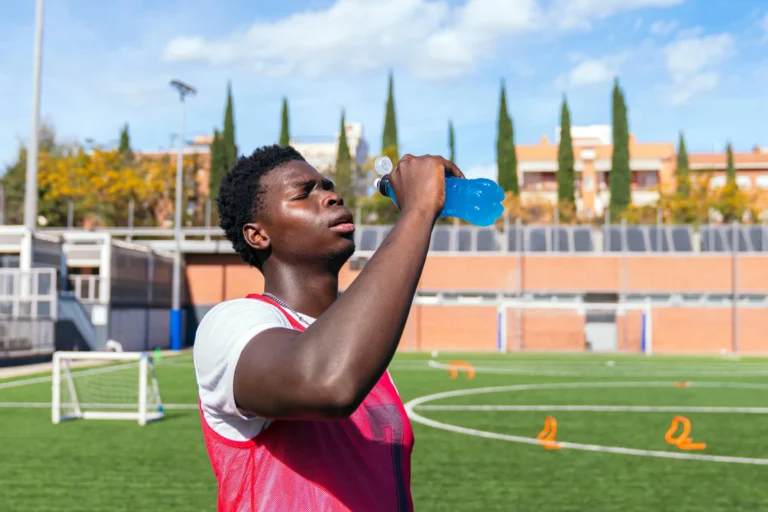
Electrolyte timing guide for training: what to take before, during and after workouts to prevent cramps, fatigue better.
Your muscles contract, your heart beats faster, and sweat drips down your face. Behind all of this, a quiet exchange of minerals keeps your body running. Sodium, potassium, magnesium, and calcium move in and out of cells, conducting electrical signals that tell your muscles when to fire and when to relax. Lose too many of these minerals through sweat, and your performance drops. Your legs feel heavy. Cramps set in. Your concentration fades.
Electrolytes are minerals that carry an electrical charge when dissolved in water. They regulate fluid balance, muscle function, and nerve signalling. During physical activity, you lose them through sweat at rates that vary based on intensity, temperature, and your own physiology. Replacing them at the right times can mean the difference between finishing strong and struggling through your final set.
What Happens When You Sweat
Sweat contains more than water. Sodium makes up the largest portion of the electrolytes lost, followed by chloride, potassium, and smaller amounts of magnesium and calcium. According to Johns Hopkins Medicine, athletes can lose up to 2 quarts of fluid per hour during activity. Endurance activities can drain as much as 3 quarts hourly. Each quart of sweat carries with it a measurable quantity of minerals your body needs.
Research shows that cyclists who lost 2% of their body weight through sweat reported higher heart rates and perceived effort compared to those who lost only 1%. The margin is small, but the effect is measurable. Your cardiovascular system works harder to maintain output when fluid and electrolyte levels fall.
Sodium tablets and capsules for training
Portable electrolyte options are a straightforward choice for athletes who train in different conditions or simply don’t want sweet sports drinks. Sodium tablets and capsules make it easy to take a consistent, measured hit of sodium—often alongside potassium and magnesium—without added sugar or flavourings. Brands such as Salt Stick, Nuun and LMNT let you fine-tune your intake based on how much you sweat and how long you’re working out. As a useful benchmark, the German Nutrition Society suggests sports drinks provide around 500–700 mg of sodium per litre to support absorption—something these supplements can help you reach when mixed into plain water.
Capsules work well for longer sessions where carrying mixed drinks becomes impractical. Runners and cyclists often prefer this format during races or extended outdoor training. The measured dosing removes guesswork from electrolyte replacement, particularly when fluid losses exceed 2 quarts per hour as Johns Hopkins Medicine reports for intense activity.
Before You Train
Pre-workout hydration sets the foundation for how your body handles the stress ahead. The American College of Sports Medicine recommends drinking about 500 ml of fluid approximately 2 hours before exercise to promote adequate hydration. This gives your kidneys time to process the liquid and excrete any excess before you begin.
For sessions lasting over an hour, adding electrolytes before you start makes sense. Your body begins the workout with a full reserve of minerals, which delays the point at which depletion affects performance. Sodium in particular helps your body retain the water you drink rather than passing it straight through.
Starting a workout in a depleted state compounds the problem. If you trained hard the day before and did not replace what you lost, you begin the next session already behind. Pay attention to the colour of your urine. Pale yellow suggests adequate hydration. Darker shades suggest you need more fluid.
During Extended Sessions
For workouts under an hour at moderate intensity, water alone usually suffices. The body stores enough electrolytes to cover short-duration activity. Once you push past 60 minutes, especially in heat, the math changes.
The German Nutrition Society and the European Food Safety Authority both recommend that sports drinks contain 460-1,150 mg of sodium per liter. This concentration matches sweat losses and supports absorption in the gut. Drinks with too little sodium get absorbed slowly. Drinks with too much can cause stomach discomfort.
Salt tablets or effervescent electrolyte tablets let you control the concentration based on your needs. Someone training in a cool gym at low intensity needs less than someone running outdoors in summer heat. Body size matters too. Larger athletes sweat more and lose minerals at higher rates.
After Your Session Ends
Recovery starts as soon as you step off the gas. Your muscles need protein to repair and rebuild, your glycogen stores need carbohydrates topped back up, and your hydration needs bringing back into balance.
The general recommendation for post-workout recovery is approximately 1.5 litres of fluid per kilogram of weight lost during the session. If you weighed yourself before and after training, you can calculate the deficit. Drinking plain water works, but adding electrolytes speeds rehydration because sodium helps your intestines absorb water more efficiently.
Magnesium deserves mention here. It supports muscle relaxation and over 300 enzymatic reactions in the body. The recommended daily allowance sits at 400-420 mg for men and 310-320 mg for women. Hard training increases the demand. Foods like spinach, almonds, and black beans provide magnesium, but supplementation makes sense for athletes who train frequently.
Practical Approaches
Not everyone wants to drink a flavoured sports drink. Some prefer to eat their electrolytes through salty snacks or foods like pickles, olives, and cheese. Others add a pinch of salt to their water bottle. There is no single correct method.
Track how you feel during and after different types of sessions. Notice when cramps appear or when fatigue sets in earlier than expected. Experiment with timing and dosing until you find what works for your body and your training schedule.
Electrolyte management is a small detail in the larger picture of athletic performance. It does not replace proper programming, adequate sleep, or sound nutrition. But when those pieces are in place, getting the minerals right helps you train harder and recover faster.