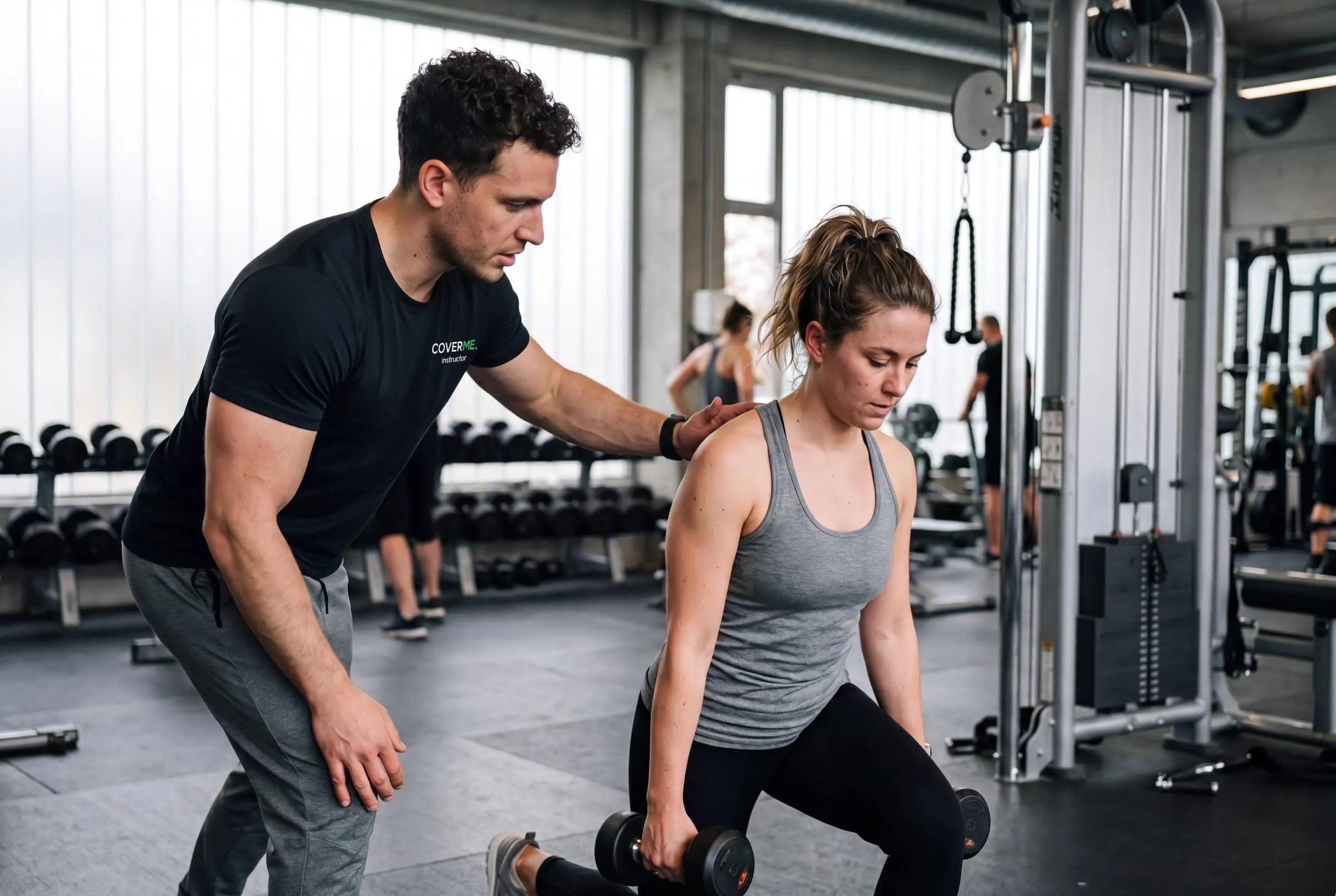
CoverMe PT launches an AI matching platform to help gyms connect members with personal trainers in seconds.
Personal training has long been one of the most valuable parts of the fitness club business, but also one of its clunkiest: a strangely analogue corner of an otherwise app-happy world where members track sleep, count macros and judge their own heart-rate zones like tiny, Lycra-clad NASA engineers.
CoverMe now wants to drag that process out of the clipboard era.
The fitness workforce management company has launched CoverMe PT, an on-demand platform designed to connect members with the right personal trainer in under 10 seconds. It is powered by CoverMe’s AI matching engine, a system the company says has been built and refined over four years across millions of instructor-to-club matches.
That same engine is now being pointed at personal training, learning from every booking, cancellation and session to improve how members are matched with trainers. In plain English: less wandering around reception hoping someone fancies buying a block of sessions, more instant matching based on goals, availability, confidence levels and trainer specialisms.
Why CoverMe PT Is A Bigger Play Than A Booking Tool
CoverMe PT is the second product on the CoverMe platform and marks the company’s move towards becoming a multi-product operating system for the fitness industry. CoverMe already works with major global fitness brands across four continents, with CoverMe PT initially rolling out across the UK, US and Europe.
That matters because personal training is not a side dish for operators. It is one of the highest-value services inside a club, yet in many gyms it still depends on timing, personality and the slightly grim theatre of the sales pitch.
“Personal training is the most commercially valuable line in any club, and the most operationally overlooked. The way most facilities sell PT hasn’t changed since the 1980s: trainers walking the gym floor, touting for business at reception and hoping to catch a member at the right moment,” says Rosanna Tucker, co-founder and CEO of CoverMe. “But members don’t want to be interrupted mid-workout to be sold to. They want to discover, choose and book PTs on their own terms, with the immediacy and energy of a social media platform.”
She has a point. The modern gym member will happily order dinner, book a cab, find a holiday rental and abandon three shopping baskets before breakfast. Asking that same person to wait for a trainer to catch them near the dumbbell rack feels less like customer service and more like a social experiment.
The Personal Trainer Retention Problem
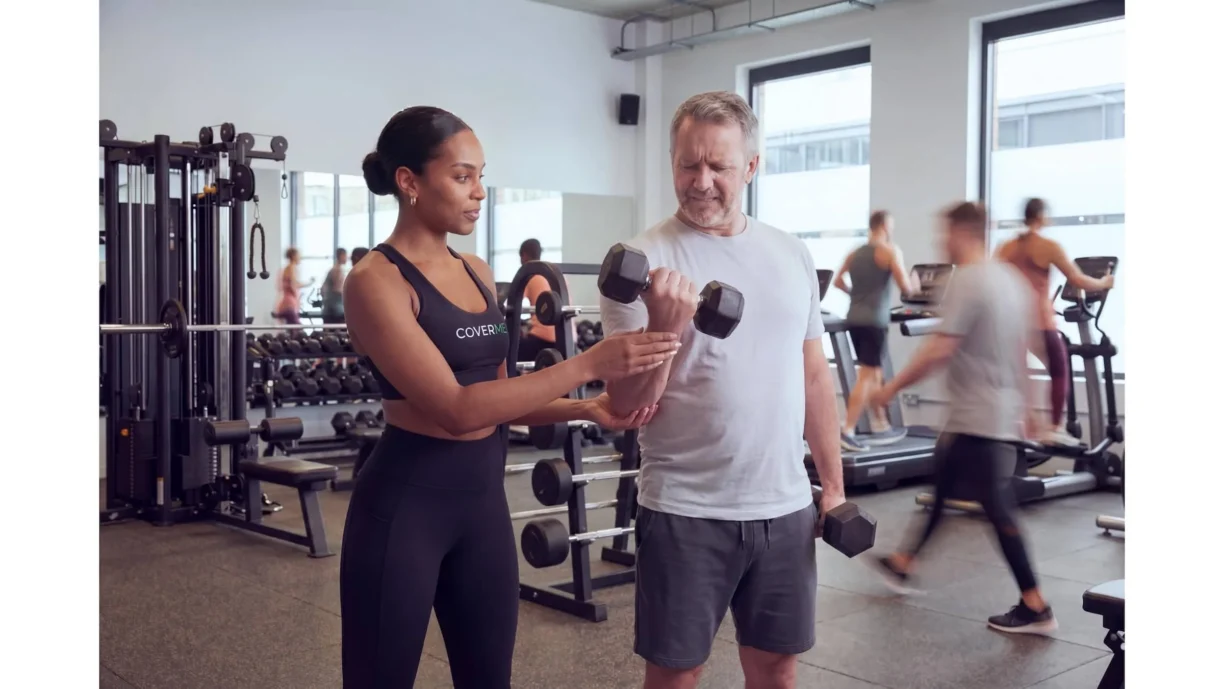
The launch also tackles a longstanding industry headache: keeping good personal trainers in the building.
“Staggeringly, around 80% of personal trainers drop out within their first year, and it’s not because they’re not good at their job. Often they’re simply not loud, super-confident gym-floor sellers, which is what the sector rewards,” says Tucker.
That line cuts to the bone. Many trainers enter the industry because they know how to coach, motivate and programme properly. Not because they dream of stalking the gym floor with a sales funnel and the emotional resilience of a door-to-door double-glazing rep.
The issue is not just morale. It affects continuity, member experience and commercial performance. If a club cannot help its trainers build a steady client base, the best coaches may drift away, while members are left with a rotating cast of faces and no obvious route into support.
According to the company, CoverMe PT is designed to give trainers a clearer pipeline of opportunity, better visibility of earnings and fewer barriers between them and the members who actually want help.
“CoverMe PT allows PTs to focus on training people, not selling. Every new member, every welcome, is matched and booked in real time. It’s on-demand, curated and frictionless, just the way Netflix, Uber and Airbnb taught a generation to expect everything else in their lives,” continues Tucker.
How The AI Matching Engine Works For Members
The premise is simple enough: members open the app, set a goal, receive a match, book and pay in under 10 seconds.
That could be especially useful for new members, who often arrive full of good intentions but light on confidence. The first few weeks in a gym can feel like entering a small airport where everyone else seems to know the gate number. If the route into personal training is unclear, slow or awkward, many members simply do nothing.
CoverMe PT is white-labelled and integrates into existing member apps, meaning operators can offer the experience inside their own digital environment rather than sending members elsewhere. Its AI matching engine analyses member goals, availability and confidence level against trainer specialisms in real time.
That matters because the right trainer is not merely the next available trainer. A nervous beginner, a returning exerciser, a strength-focused member and someone training for a specific challenge may all need very different coaching styles. Matching them badly can kill momentum before the first session has even begun.
Early Pilot Data Points To A Commercial Opportunity
CoverMe says early pilots have produced several notable results, including a 40% uplift in first-time PT bookings, a 25% boost in member engagement through early induction nudges, and a 21% revenue increase through group session conversion.
The company also says bookings can be completed in under 10 seconds, while personal trainer onboarding can be completed in under six minutes, taking trainers from setup to being live, matched and earning.
Beverlee Browne, co-founder and CPO of CoverMe says: “Most member churn happens in the first 90 days when those who don’t feel immediate value leave. But members who book a PT session in their first 14 days are up to 60% more likely to stay beyond 90 days. However, 60% of members abandon PT when the booking process isn’t instant. CoverMe PT changes that. It’s engineered to make PT bookings happen automatically, at scale, across every club in your estate.”
The important point here is timing. For operators, the first fortnight of a new membership is not just a welcome period. It is the danger zone. Members are deciding whether the club fits their life, their confidence and their routine. If support appears quickly, the club feels useful. If it does not, the membership card begins its quiet journey towards a drawer.
A Better Fit For Operators, Trainers And Members
For members, the appeal is obvious: no awkward pitch, no guessing who to ask, no waiting around. They can choose and book support when motivation is fresh rather than three days later when life has intervened and the sofa has launched a hostile takeover.
For personal trainers, the platform manages new client flow, diaries, payments and reminders automatically. That removes some of the admin and sales pressure that can turn coaching into a second job in customer acquisition.
For operators, CoverMe PT is built to work around different commercial models. That includes employed personal trainers, trainers on paid shifts, self-employed trainers and rental models. The platform offers automatic compliance verification, real-time visibility of member demand, and reporting around booking conversions, member retention and onboarding impact.
Where trainers are employed or working paid shifts, operators also get intelligent shift allocation, revenue tracking and session management. Permissions and reporting can be configured around the operator’s commercial setup and the IR35 status of each personal trainer.
That last point is not glamorous, but it is important. Fitness businesses do not run on motivational wall decals alone. They run on systems, compliance, staffing models and knowing where the money leaks out.
The Fitness Industry Gets The Platform Treatment
The wider significance of CoverMe PT is that it reflects where fitness is heading. Members increasingly expect the same convenience from their gym that they get from travel, retail, entertainment and food delivery. Not every part of fitness should be frictionless — training still requires effort, sadly — but booking help should not require a minor act of persistence.
“We’ve spent four years inside the operations of some of the biggest fitness brands in the world. We know exactly what breaks, where revenue leaks and what operators need from a platform,” adds Browne. “CoverMe PT was built from that knowledge. It’s the product the industry has been asking us for.”
The question now is whether operators are ready to treat personal training less like a noticeboard service and more like a proper digital product.
If CoverMe PT does what it says on the tin, the days of the awkward gym-floor ambush may be numbered. Trainers get to train, members get quicker access to the right support, and operators get a clearer view of one of their most valuable revenue lines.
A rare thing, then: a fitness industry innovation that may actually reduce sweating before the workout has even started.