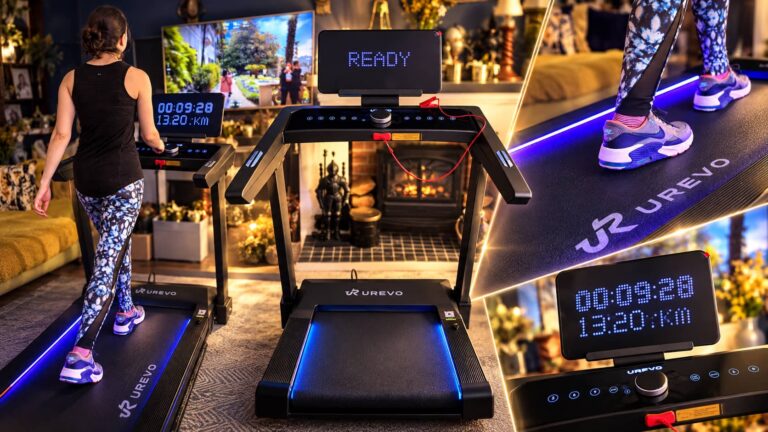
Indoor training has evolved from bad-weather backup to a smart year-round fitness strategy for body, mind and busy schedules.
Indoor training used to be what people did when they couldn’t get outside. That’s no longer how most people think about it. With smarter equipment, more flexible formats, and a clearer understanding of what consistent movement does for both body and mind, indoor training has evolved into a legitimate year-round strategy and not a compromise but a choice.
1. Weather-Proof Workouts
Rain, extreme heat, and short winter days are no longer valid reasons to skip a session. The ability to train in a controlled environment regardless of what’s happening outside removes one of the most common barriers to consistency.
For athletes and casual exercisers alike, indoor training provides a reliable baseline that keeps progress moving through every season. When workouts don’t depend on conditions, habits form faster and last longer.
2. Smarter Home Fitness Tech
The home fitness equipment market has matured in recent years, making high-quality structured training genuinely accessible outside of a gym. Connected bikes, smart rowing machines, AI-coached strength platforms, and interactive mirrors have replaced the static treadmill as the dominant image of home fitness.
According to the Health & Fitness Association’s 2025 Consumer Report, fitness facility membership in the US rose 5.6% in 2024, reaching 77 million members, and many of those same consumers are supplementing facility visits with connected home training, blending the two environments into a single flexible routine.
3. Simulators for Skill-Based Fitness
Not all indoor training looks like a traditional workout, and that’s part of its growing appeal. Skill-based tools bring sport-specific movement indoors in a format that’s low-impact, engaging, and genuinely effective for cross-training.
Indoor golf simulators for home and studio use are a strong example, combining rotational movement, balance, and precision practice in a format that develops athletic qualities without the joint stress of higher-intensity training.
Tennis ball machines, batting cages, and other simulation setups follow the same principle. These tools keep sport-specific skills sharp through the off-season and offer an engaging alternative to conventional gym sessions for people who find structured workouts harder to sustain.
4. Gyms Offering Hybrid Indoor-Outdoor Programs
Forward-thinking fitness studios are no longer asking members to choose between indoor and outdoor training. Hybrid programs that combine indoor strength work with outdoor conditioning runs, circuit sessions in parks, or trail-based cardio are becoming a standard offering, giving clients the structure and accountability of a facility alongside the variety and stimulus of moving in open air.
This blended approach reflects a more sophisticated understanding of what keeps people engaged and progressing over the long term.
5. Consistency for Busy Schedules
One of the clearest advantages of indoor training is how well it fits around unpredictable days. A 20-minute session in a spare room or garage requires no commute, no booking, and no weather check.
For people managing demanding work schedules, family commitments, or irregular hours, that kind of frictionless access to movement is often the difference between training regularly and not training at all. Short, purposeful indoor sessions compound quickly when they happen consistently.
6. A Boost for Mental Wellbeing
The mental health benefits of regular exercise are well-established, and indoor training makes them more accessible. Mayo Clinic notes that almost any form of exercise can act as a meaningful stress reliever, boosting endorphins and improving mood, and a controlled indoor environment removes the external friction that stops people from starting.
For many people, the predictability of an indoor session, like the same space, same routine, and same outcome, is itself a source of calm that compounds well beyond the physical benefits.
Indoor training isn’t replacing outdoor sport or gym culture. It’s filling in the gaps that used to mean lost weeks, broken habits, and slow progress. For anyone serious about staying consistent, it’s becoming indispensable.