Cold plunge testosterone claims are weak, while post-workout ice baths may reduce amino acid uptake and interfere with muscle-building recovery.
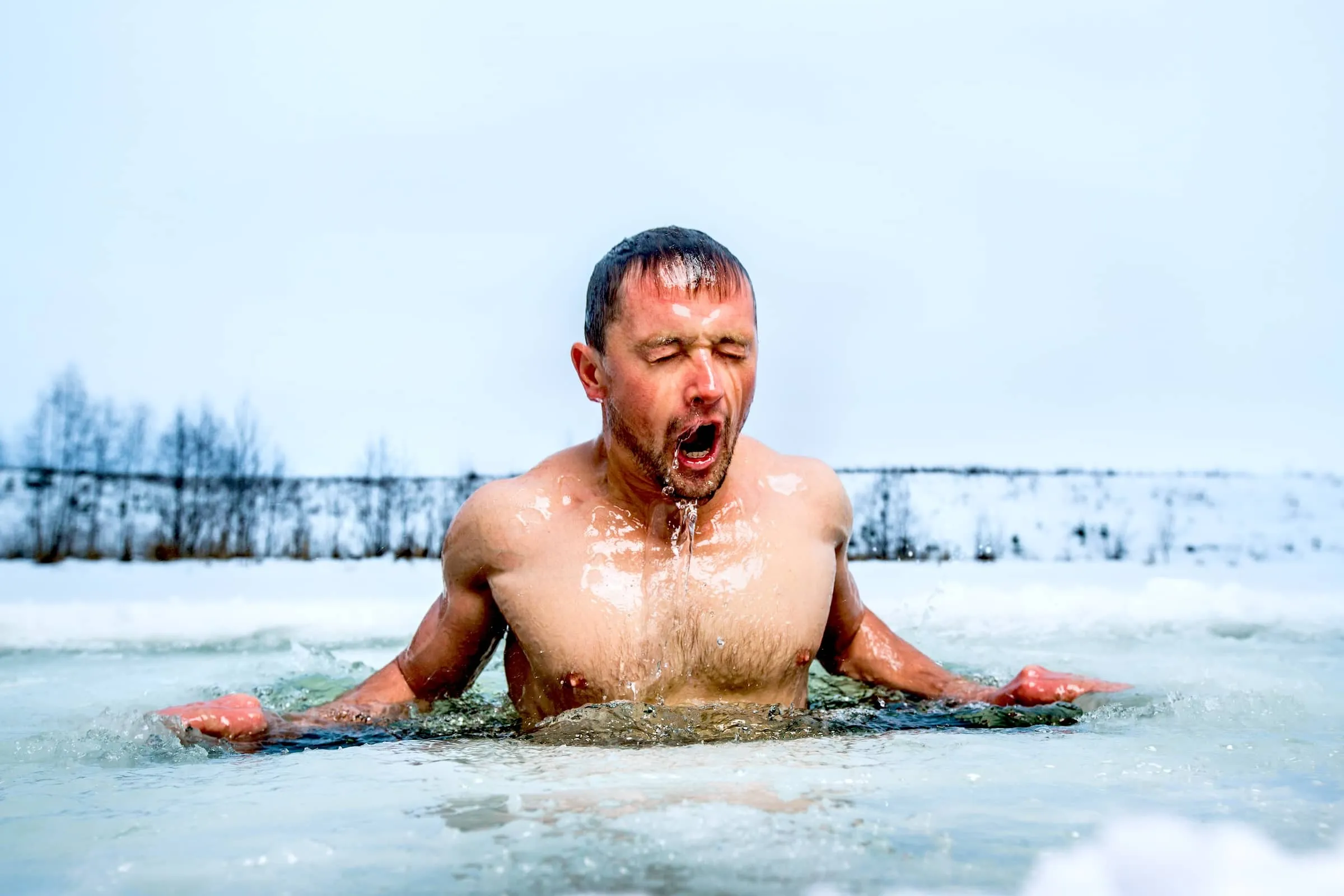
The cold plunge testosterone craze has all the ingredients of modern fitness folklore: icy tubs, heroic grimaces and very confident claims made by people wearing very little clothing.
The evidence is less theatrical. Cold-water immersion may make some people feel sharper or less sore, but there is no convincing evidence here for a meaningful, lasting testosterone boost.
For lifters, the more practical concern is timing: plunging immediately after resistance training may interfere with processes involved in muscle repair and growth.
Cold plunge testosterone claims outrun the evidence
Cold exposure feels potent. Breathing quickens, heart rate rises and alertness can spike. That immediate jolt is real; treating it as proof of a hormonal change is another matter.
Anneliese Cadena, AGNP-C and Clinical Advisor at men’s health platform Feel30, says: “Cold water can make you feel awake, energised and mentally sharper, but that immediate physical response should not be confused with a testosterone increase.
There is currently no good evidence that cold plunging produces a meaningful, lasting rise in testosterone or that it can treat symptoms of low testosterone.
The biggest mistake I see is men jumping into an ice bath immediately after lifting weights because they believe it will improve their gains. If building muscle is the goal, rapidly cooling the muscles at that point may actually work against the recovery and adaptation process.”
The testosterone claim may win the algorithmic shouting match. The post-workout muscle question is more useful.
The post-workout ice bath problem
A 2025 study involving 12 healthy young men compared recovery in each participant’s legs after resistance exercise. One leg was immersed in cold water for 20 minutes; the other went into warmer water.
Cooling reduced muscle microvascular blood flow by about 68% and lowered incorporation of dietary amino acids into exercised muscle by around 30%. Those are acute physiological findings, not proof that every ice bath shrinks gains, but they give lifters a reason to be selective about post-training cold exposure.
Cadena says: “Cold plunges can reduce soreness, which may be helpful when somebody needs to feel ready to perform again quickly. But feeling less sore is not necessarily the same as achieving better muscle adaptation.
If hypertrophy is your goal, I would avoid making an ice bath the first thing you do after every lifting session. Allow the body time to begin its natural recovery response and use cold exposure at a different point in the day or on a non-lifting day instead.
The 2025 study used a particularly long 20-minute immersion, so it does not tell us that every brief cold shower will harm muscle growth. What it does show is that the timing, duration and temperature matter.”
That distinction is crucial. The experiment was small, short-term and used a substantial 20-minute immersion. It is a caution about dose and timing, not a licence to panic at the sight of a cold tap.
Feeling recovered is not the same as adapting better
Cold-water immersion may still have a role when rapid short-term recovery is the priority. Reducing perceived soreness can be useful if someone needs to train or compete again soon.
Cadena adds: “There is a difference between feeling better after a cold plunge and having evidence that it has changed your hormones or improved your long-term health.
Someone may genuinely feel more alert, accomplished or less sore afterwards. Those experiences are valid, but they do not prove that testosterone has increased.
A 2025 systematic review found some potential benefits relating to stress, sleep and quality of life, but it also highlighted small sample sizes, limited long-term evidence and major differences between the protocols studied.”
That variability matters. Temperature, duration, timing and frequency can differ markedly between protocols. “Cold plunge” is a tidy label for a rather untidy range of exposures.
Low testosterone needs proper assessment
Fatigue, reduced libido, low mood and difficulty maintaining muscle can be associated with low testosterone, but those symptoms can also have other causes, including poor sleep, stress, medication and nutritional deficiencies.
Cadena’s advice is straightforward: “Men who are experiencing persistent symptoms should not rely on cold plunges, supplements or advice from social media to diagnose themselves.
Testosterone levels can only be properly assessed using appropriate blood testing alongside a clinical review of symptoms and medical history.
A cold plunge may be something a person enjoys as part of their routine, but it should never be presented as a substitute for investigating a possible hormonal or underlying health issue.”
Cold plunges are not a toughness contest
Sudden cold-water immersion can trigger a cold-shock response, with rapid rises in breathing, heart rate and blood pressure. Cadena advises people with cardiovascular disease, uncontrolled high blood pressure, circulation problems or a history of fainting to seek medical advice before trying it.
She also cautions against plunging alone or turning temperature and duration into a competition: “More extreme does not mean more effective. The initial cold-shock response places additional strain on the cardiovascular system, and trying to compete over temperature or duration adds unnecessary risk.
Beginners should start gradually, keep the exposure brief and get out immediately if they feel dizzy, experience chest pain, struggle to control their breathing or begin to feel confused.
Cold plunging can be an optional wellness or recovery tool for some people. It is not a testosterone treatment, and it should not become an endurance contest.”
The useful verdict is wonderfully unglamorous. Cold plunges may feel bracing, rewarding and helpful for short-term soreness.
They are not supported here as a testosterone treatment, and if muscle growth is the priority, the moments immediately after lifting may be the wrong time to become a human ice cube.
Anneliese Cadena, AGNP-C, is a Clinical Advisor at Feel30. – Feel30 is a US men’s health platform providing clinician-led, personalised care for men experiencing symptoms associated with low testosterone and other hormonal health concerns.
Medical disclaimer: This article is for general information only and is not a substitute for medical advice, diagnosis or treatment. Anyone with concerns about testosterone levels, cardiovascular health or the suitability of cold-water immersion should consult an appropriately qualified healthcare professional.