Children’s fitness thrives when movement feels natural, inclusive and enjoyable. Here’s why participation may matter more than performance.
It begins with identity.
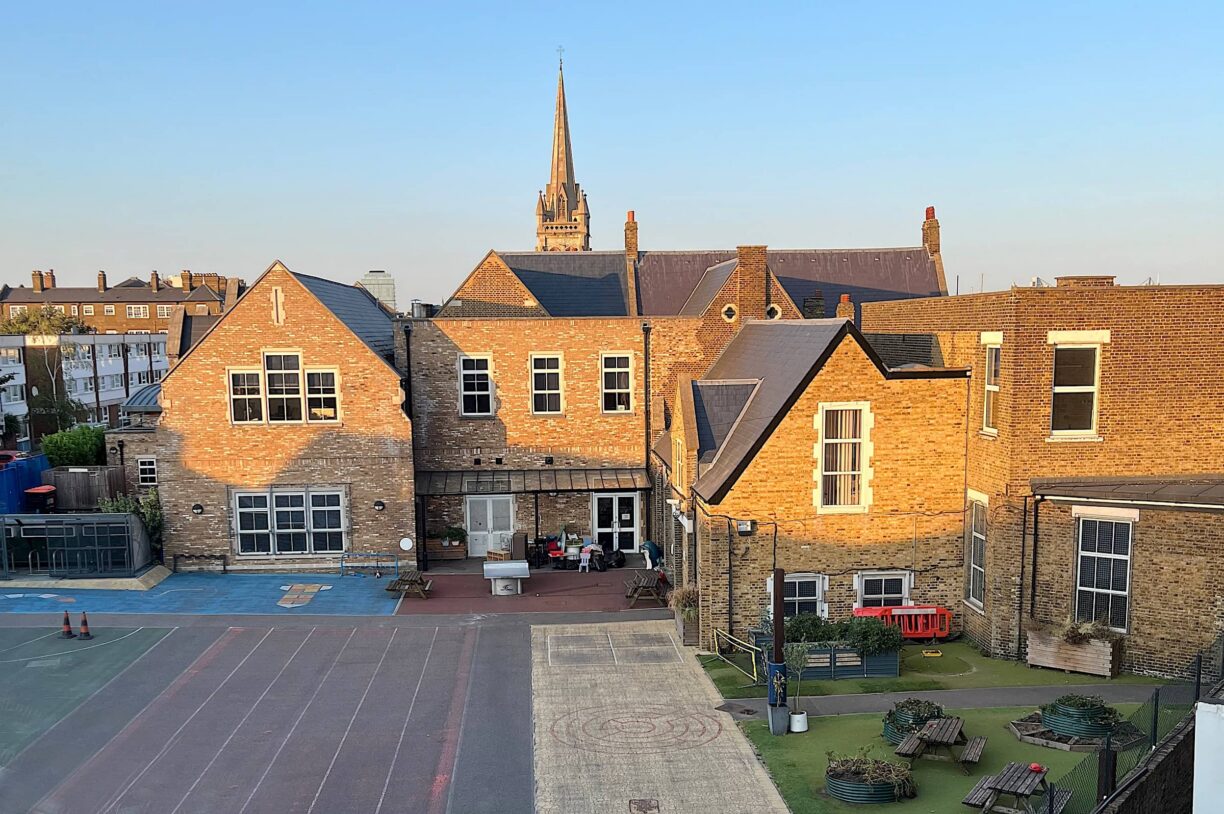
Behind my house is a nursery and primary school. Every morning, I hear children laughing and playing. From the floor above, I can see children from the age of two to eleven.
The youngest don’t think about exercise. They simply move. They run. They climb. They laugh. They fall over. They cry. They get back up again. Participation isn’t something they’ve learned. It’s simply who they are.
Later in the day, I see another playground. David Lloyd. The people are older now. Careers. Families. Mortgages. Responsibilities. Life has happened. Yet beneath it all, something remains. Some of them simply keep turning up.
They aren’t chasing perfection. They aren’t trying to become elite athletes. They aren’t posting every workout on social media. They simply show up. They move. They smile. They make other people feel welcome. They have chosen participation over withdrawal.
Watching the children behind my house and the adults at David Lloyd, I realised I wasn’t looking at two different groups of people. I was looking at the same identity. One at the beginning of life. The other choosing not to lose it.
That observation changed everything.
For decades, public health has focused on behaviour. Eat less. Move more. Stop smoking. Drink responsibly. The advice is sensible. The intentions are good. Yet lifestyle-related disease continues to place an ever-growing burden on the NHS. Perhaps we’ve been asking the wrong question.
Most public health initiatives begin with behaviour. Meta-Age begins with identity. That single distinction changes everything. Healthy behaviour becomes much easier when it is an expression of who you believe you are.
Long before Meta-Age had a name, I had already begun exploring the same idea through the Super6 Challenge. Working with schools, coaches and community partners, more than 30,000 children took part in six simple exercises.
At the time, I thought we were teaching children healthy habits. Looking back, I think we were doing something much more important. We were protecting participation.
The exercises mattered. The identity mattered more. Every child could take part. Every child belonged. No one needed to be the fastest. No one needed to be the best. Participation belonged to everyone.
Only later did I realise that the children behind my house and the adults at David Lloyd were teaching me exactly the same lesson. Participation isn’t created. It is recognised. Sometimes it is protected. Sometimes it is rediscovered.
That understanding became Meta-Age. Not a fitness programme. Not another health campaign. An identity. People who choose participation over withdrawal. Everything that has followed has grown from that single idea.
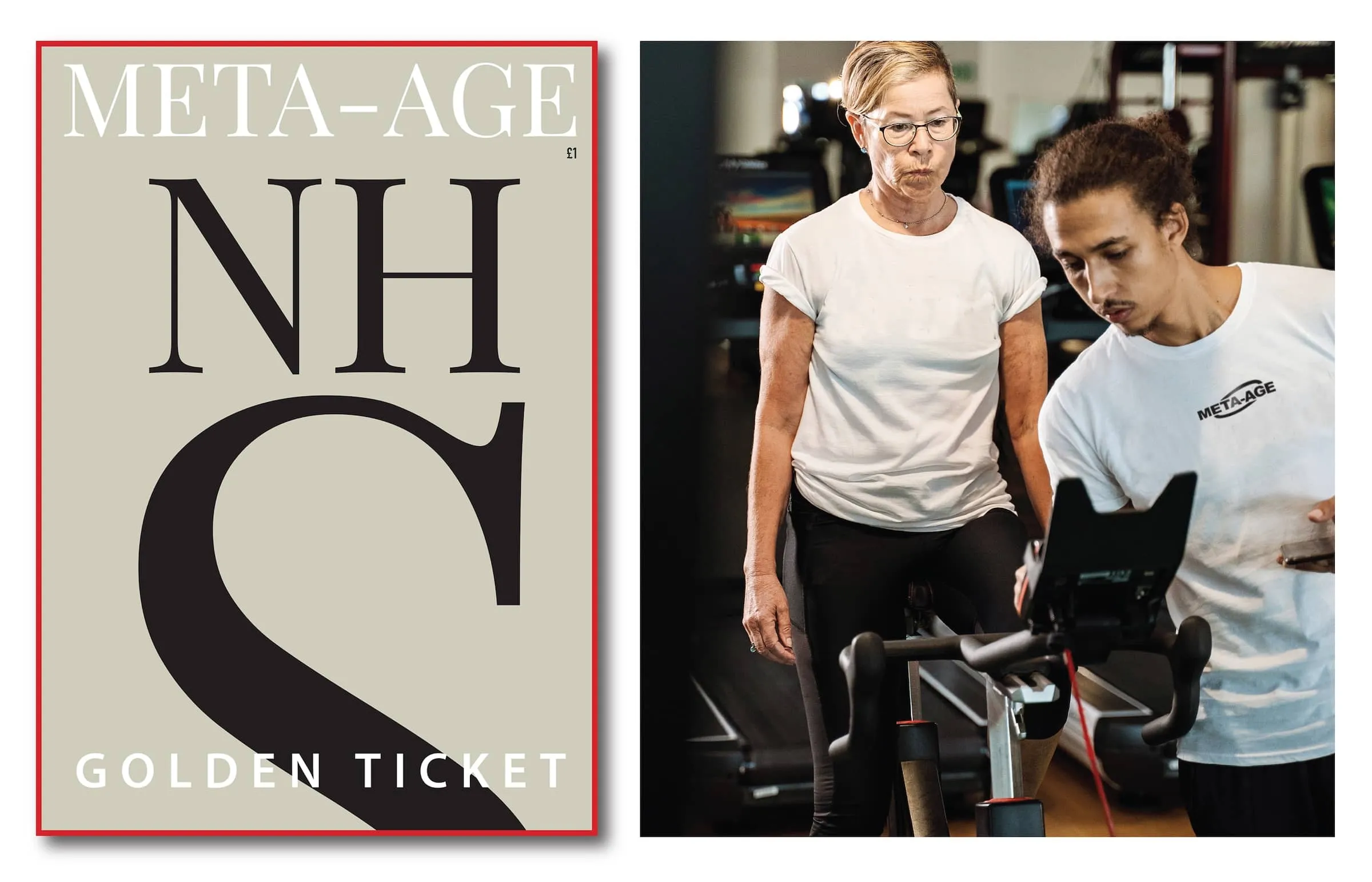
The NHS Golden Ticket doesn’t ask people to transform their lives overnight. It asks something far more important. Who do you want to become? Someone who waits for health to decline before taking action, or someone who chooses to participate in their own future?
The Golden Ticket is a declaration. I’m IN. The Super10 is simply one way that identity can be be expressed—not as a set of rules, but as a practical guide for people who want to live that identity in their own way.
The Golden Ticket, however, is bigger than the Super10. It isn’t another government campaign asking people to change their behaviour. It is a people-led movement. It belongs to the people who already choose participation over withdrawal and who, through their own example, encourage others to do the same.
Imagine thousands of ordinary people holding up a Golden Ticket and simply saying, “I’m IN.” David Lloyd members. Teachers. Bus drivers. Builders. Nurses. Business owners. Parents. Grandparents. Students. Social media creators. People from every walk of life united not by age, background or ability, but by a shared belief that participation is always better than withdrawal.
That is how identities spread. Not because governments tell people what to do, but because people see themselves in other people. A friend inspires a friend. A colleague encourages a colleague. A neighbour motivates a neighbour. Every conversation, every photograph, every thumbs-up quietly says the same thing: “You’re welcome. You can be part of this too.”
If millions of people begin to see themselves differently, healthier choices become the natural consequence. The savings to the NHS are not the goal. They are the outcome.
Hospitals will always be there when we need them. But perhaps the future of the NHS begins long before anyone becomes a patient. Perhaps it begins in a nursery playground. Perhaps it continues in a health club. Perhaps it grows because ordinary people decide that participation is worth sharing.
Now imagine a society that aimed to become Meta-Agers. A society where participation wasn’t unusual. Where showing up, contributing and looking after yourself was simply part of who you were. Meta-Age doesn’t create those people. It gives them a name.
I’m IN.