UK figures reveal remarkably low annual eye-test uptake among young children, while a survey of parents suggests that misconceptions about children's vision could be getting in the way of routine care.
Children don’t need to know their alphabet to have their eyes tested. Yet 38% of people questioned in a UK survey believe they do. It’s a surprisingly persistent misconception, particularly when eye-health professionals recommend that children have their first routine eye test at around three to four years old, before they start school.
New analysis of UK eye-test data estimates that only around 5% of children aged five and under had an eye test in 2025. For the wider population of children under 16, the estimated figure was considerably higher, ranging from 39.7% to 46.1%.
There is an important distinction here. These figures measure eye tests during a single year, rather than the proportion of children who have ever been examined. The younger group also includes babies and toddlers who have not yet reached the recommended age for a first routine test. The figures therefore cannot establish that 95% of young children have never had their eyes checked.
Nevertheless, alongside new research into parents’ attitudes, they raise questions about how early eye care fits into the familiar routine of childhood health appointments.
Why the dentist gets a visit but the optometrist doesn’t
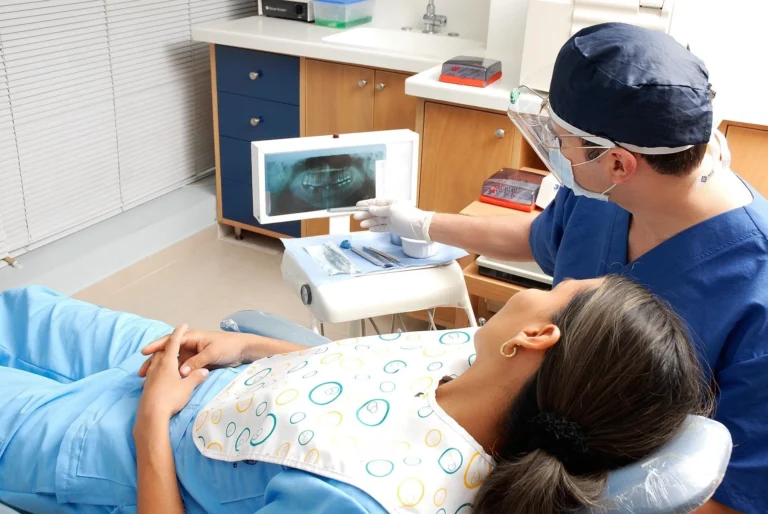
Most parents understand the importance of taking children to the dentist. Eye tests, apparently, haven’t achieved quite the same standing in the family calendar.
A survey of parents and legal guardians of children aged 0–11 found that 90% of parents with children under 12 had taken their child for a routine dental check-up. By comparison, 29% of parents said they had never taken their child to an optometrist at an optician’s practice for a full eye test.
Among children who don’t wear glasses, 53% had never undergone a professional eye test. More strikingly, 30% of parents whose children don’t wear glasses said they had no plans ever to book one.
The survey doesn’t establish precisely why families make these decisions, and some children included in the research will be too young for their first recommended routine examination.
What the responses suggest, however, is that some parents may regard an eye test as something to arrange when a problem becomes apparent, rather than a regular health check in its own right.
It’s an understandable distinction, but potentially an important one. A child doesn’t have to wear glasses to benefit from an assessment of their vision and eye health.
Why children’s eye tests matter before school
Early childhood provides an important opportunity to identify conditions that may respond more effectively to treatment when detected at a younger age.
One example is amblyopia, commonly known as a lazy eye, which develops in approximately 3% of children in the UK.
Treatment can often improve the condition when it is identified early, but the opportunity to achieve the best possible outcome may diminish as children grow older.
Despite this, fewer than half of the parents surveyed (48%) were aware that amblyopia can often be reversed if detected before the age of seven or eight.
That doesn’t mean every case can be successfully reversed or that treatment outcomes are guaranteed. It does explain why eye-health professionals place considerable importance on examinations during the preschool years.
And a satisfactory first examination isn’t a lifetime all-clear. Myopia, or short-sightedness, can develop later in childhood, making regular assessments important as children grow.
Children don’t need to read to have an eye test
The belief that a child must be able to recognise letters before having an eye examination is one of the more significant misconceptions highlighted by the research.
Optometrists can use age-appropriate techniques to assess children’s eyesight and eye health without relying on conventional reading charts.
That means there is no need to postpone an appointment until a child has started reading at school.
Denise Voon, Clinical Advisor at The College of Optometrists, explains: “The ideal age to take children for their first eye test is around 3 to 4 years old. NHS funded eye tests are free for all children under the age of 16, and it is a quick and easy routine health check that gives parents peace of mind that their child’s eyes and vision are healthy to support their development during their school years.
It’s also important to remember to take children for regular check-ups throughout childhood, usually every 1-2 years, to detect and treat eye conditions that can develop in later childhood years, such as myopia (short-sightedness).”
Making eye examinations a familiar experience may also help children feel more comfortable attending appointments as they get older.
Reality television personality Olivia Bowen, who has spoken in support of the awareness campaign, has described how taking her son for an eye test at three helped him feel less nervous about subsequent check-ups.
Free NHS eye tests, but not every parent knows
Cost might seem another obvious consideration for families, but routine NHS-funded eye tests are free for children under 16 throughout the UK.
Not everybody knows that.
Although 71% of parents surveyed correctly identified that children’s NHS eye tests are free, the remaining 29% either believed that some payment was required or weren’t sure about the cost.
The findings have prompted a joint public awareness campaign involving the Association of British Dispensing Opticians (ABDO), The College of Optometrists, Boots Opticians and Specsavers.
The initiative is also supported by Fight for Sight, FODO, the International Agency for the Prevention of Blindness and the Optical Suppliers Association.
The organisations are encouraging parents to arrange a first full eye test with an optometrist at around three to four years old, followed by regular examinations throughout childhood, usually every one to two years.
There is another practical consideration if a child does need glasses. Dr Alicia Thompson, Research Director at the Association of British Dispensing Opticians, emphasises that properly fitted spectacles should accommodate a child’s developing features, feel comfortable and allow them to benefit fully from their prescription.
The important message for parents is that routine eye care needn’t begin with a child complaining about their sight or struggling to see clearly.
Sometimes, the purpose of an appointment is to discover a problem before anybody has noticed it.