Breast cancer treatment can affect periods, fertility and menopause symptoms. Dr Shree Datta explains what women should know.
Breast cancer is rightly spoken about in terms of diagnosis, treatment, survival and emotional strength, but one part of the story is still too often left sitting quietly in the corner like a nervous caddie: the menstrual cycle.
For many women, periods are not just a monthly inconvenience, biological admin or calendar nuisance. They are a useful signal from the body. When cancer treatment enters the picture, that signal can become irregular, faint, or stop altogether.
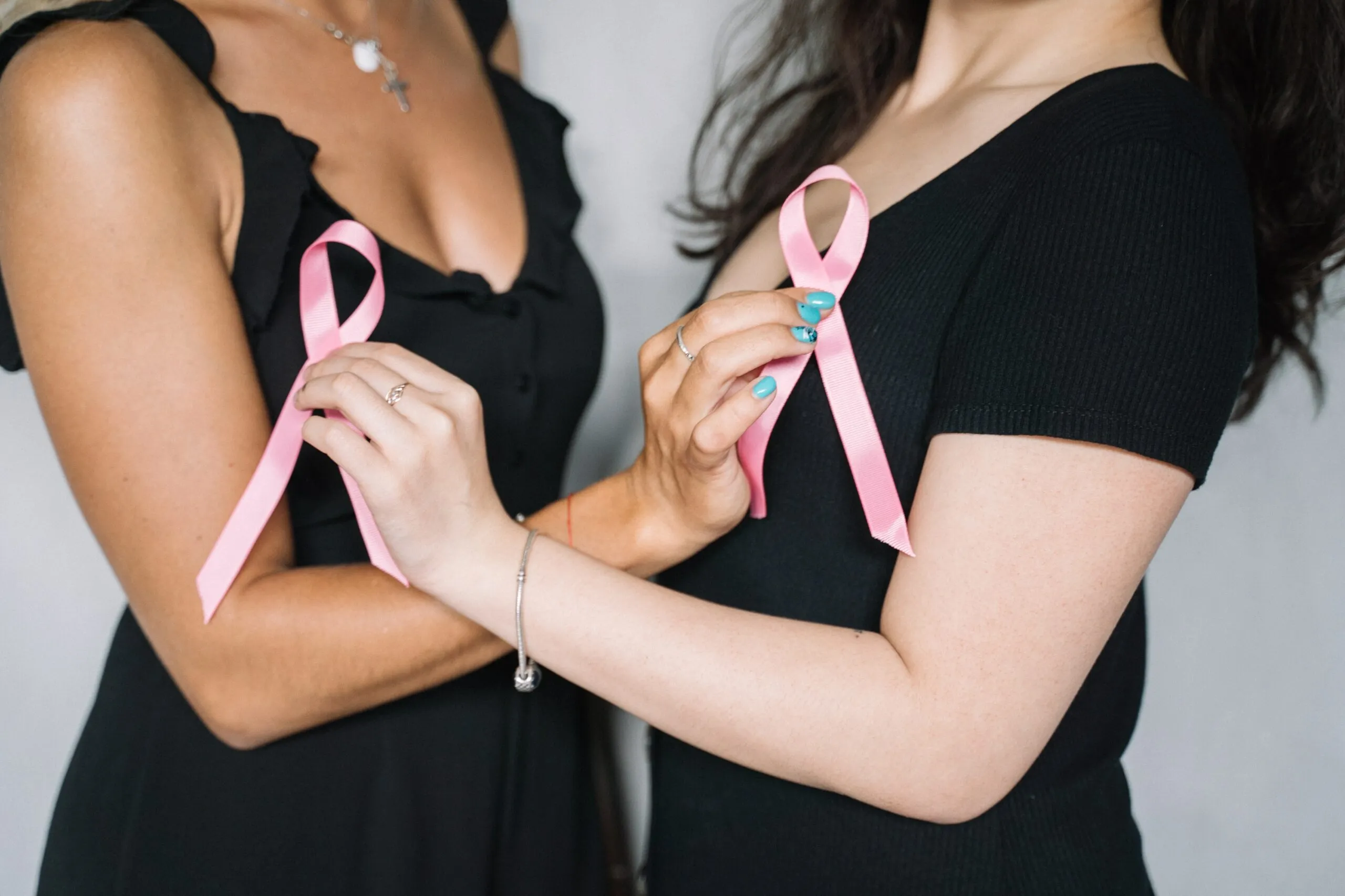
Breast cancer remains the most common type of cancer in the UK, with around 1 in 8 women diagnosed with the disease at some point in their lifetime. Yet while awareness campaigns have done vital work around checking breasts, spotting symptoms and seeking help early, fewer conversations focus on menstruation, fertility, chemotherapy and what happens hormonally during treatment.
That is where Dr Shree Datta, expert Gynaecologist for intimate health care brand INTIMINA, comes in. Her advice is practical, calm and refreshingly free of the sort of medical fog that makes people nod politely while understanding almost none of it.
Can Breast Cancer Affect The Menstrual Cycle?
The relationship between breast cancer and periods is not always as straightforward as people assume. Early breast cancer may not change periods directly, but menstrual and reproductive history can influence risk. Treatment, particularly chemotherapy, can also alter menstrual regularity, flow and fertility.
As Dr Shree Datta explains: “Interestingly, it’s the other way around – studies suggest that the menstrual cycle can influence your risk of breast cancer – for example, the age at which you have your first period, and the age at menopause affect your risk of breast cancer.
This relates to the number of menstrual cycles you have; in fact, the number of periods you have and age of first pregnancy can also affect your risk of breast cancer. A long or irregular menstrual cycle means you have fewer periods and can lower the risk of breast cancer in younger women.
Early breast cancer may not affect your periods. Still, chemotherapy treatment may affect the regularity of your periods, your flow or in some cases, stop periods.”
It is an important distinction. Breast cancer itself may not announce its presence through menstrual changes, but treatment can certainly march into the hormonal dressing room and start rearranging the furniture.
How Chemotherapy Can Change Periods
Chemotherapy is designed to target cancer cells, but it can also affect the ovaries. That can lead to irregular periods, lighter or heavier bleeding patterns, temporary infertility, permanent fertility changes or menopause-like symptoms.
Dr Datta says: “Chemotherapy is a powerful cocktail of drugs designed to kill cancer cells, but which can also affect other cells such as those in your ovaries. It can cause menstrual irregularity, your flow pattern, subfertility or it can stop your periods. This can be temporary or permanent and result in symptoms of menopause. Periods stop in 20-70% of women with breast cancer, but it depends on the woman’s age. Its effects depend on the medications used, the dose given and the woman’s age.
Don’t forget that if you are still having periods during chemotherapy, there is still a chance that you can become pregnant.
Other common side effects of chemotherapy include losing your appetite, nausea, vomiting, diarrhoea, mouth ulcers, hair loss, bruising or bleeding, a higher risk of infection, mood changes and tiredness.”
That final point matters. A woman may be undergoing breast cancer treatment, still bleeding, still ovulating and still able to become pregnant. It is not glamorous advice, granted, but neither is a three-putt from six feet. It is essential information.
When Do Periods Return After Chemotherapy?
Recovery is not a neat stopwatch event. There is no universal “normal service resumes” date. Age, treatment type, dose and length of therapy all play their part.
Dr Datta explains:
“This varies on the medication regime used, the dose given, length of treatment and the woman’s age. Some studies suggest that periods are more likely to return in younger women (ie, below 40), but this may not always be the case. In many cases, periods may come back within a few months or up to a year but again may return sooner in younger women.”
For younger women, periods may return within months. For others, changes may be longer lasting. The uncertainty can be difficult, especially when fertility, identity and future family plans are all involved.
How Common Are Cycle Changes During Treatment?
Menstrual changes during chemotherapy are not rare. They are common enough to deserve proper discussion before treatment begins, not after a patient is left wondering whether her body has gone off-script.
Dr Datta says: “In addition to the above, whilst periods stop in 20-70% of women with breast cancer, the rate can be less than 5% in women under the age of 30, up to 50% in women aged 36-40.
Some mixtures of chemotherapy have a higher risk of stopping your periods, so it’s worth discussing this in advance with your Oncologist.
Bear in mind that even if your periods return, there is a chance that they will be irregular and this may not accurately reflect your fertility. If you have any concerns, it’s better to consult a Gynecologist early on.”
This is where communication becomes crucial. A returning period does not automatically mean fertility has returned fully, and an absent period does not always mean fertility has gone forever. The body, as ever, refuses to be reduced to a tidy spreadsheet.
What To Do If Your Periods Stop During Chemotherapy
Losing your period during breast cancer treatment can be unsettling. For some women, it is temporary. For others, it may be linked to early menopause or fertility changes. Either way, it is worth raising early with the medical team.
Dr Datta advises: “As well as discussing this with your Oncologist, if you are concerned about your fertility, it’s worth consulting a Gynaecologist and in some cases, considering egg freezing. Monitor your menstrual cycle during chemotherapy and afterwards – remember, not all women stop their periods, you may experience an irregular cycle during this time.
If your periods do stop, you may experience symptoms of menopause, such as hot flushes and night sweats, which in themselves may warrant further treatment.”
The key message is not to suffer in silence. Hot flushes, night sweats, cycle changes and fertility anxiety are not side issues. They are part of the treatment experience and deserve proper care.
Rebuilding Health After Chemotherapy
There is no magic reset button after chemotherapy, despite what some corners of the internet may suggest between suspicious supplement adverts and wellness advice from people who look allergic to evidence.
The basics still matter: nutrition, sleep, movement, stress management and support.
Dr Datta says: “People react to chemotherapy in different ways and the time taken to recover from it varies. On the whole, this is no different from those wishing to improve their health – keep a regular daily routine, with a balanced diet, adequate amounts of sleep and try and limit your exposure to stress.
If you’re not sure that you’re getting all the nutrition you need, consult a dietician and consider taking supplements. Avoid alcohol and smoking and try to exercise regularly. Consider meditating and join a cancer support group to speak to other women who have been treated with chemotherapy.”
It is not about bouncing back like a motivational poster in trainers. It is about steadily giving the body the best conditions to recover.
Looking After Mental Health During Breast Cancer Treatment
Breast cancer treatment can bring fear, anger, fatigue, grief, gratitude and confusion — sometimes before breakfast. Mental resilience does not mean pretending everything is fine. It means having the support to admit when it is not.
Dr Datta says, “There is no doubt that this is a stressful time, and it’s natural to go through a mix of different emotions, so making sure you have a good support network of friends and family is important to help you through the tough spots. Cancer support groups and counsellors may also be helpful to talk through your concerns, feelings and worries.”
For many women, talking to others who have been through similar treatment can make the experience feel less isolating. Clinical care treats the disease. Human support helps carry the person.
Can You Get Pregnant During Chemotherapy?
It may surprise some people, but pregnancy during chemotherapy can be possible if periods are still happening. That makes contraception and fertility advice important conversations, even when they feel awkward or secondary.
Dr Datta explains: “If you are getting periods during chemotherapy, you may still get pregnant. If you’re considering contraception, barrier contraceptives such as condoms or the diaphragm may be the most suitable option.
Another alternative may be the copper coil. The Royal College of Obstetricians and Gynaecologists generally advise waiting for at least 2 years after breast cancer treatment before getting pregnant, due to the risk of relapse, but rest assured many women do go on to have a successful pregnancy after cancer treatment.
If you’re unsure of your options, consult your doctor early so that we can answer your questions and alleviate your concerns fully.”
This is not a conversation to leave until later. Women deserve clear, compassionate advice on contraception, egg freezing, fertility preservation and future pregnancy before treatment decisions are already galloping down the fairway.
The Takeaway: Breast Cancer Care Must Include The Whole Woman
The breast cancer conversation has rightly become more open, more visible and more urgent. But awareness should not stop at checking for lumps or understanding treatment plans.
Periods, fertility, menopause symptoms, sexual health, emotional wellbeing and recovery all belong in the same conversation.
The more women know before, during and after breast cancer treatment, the better equipped they are to ask questions, protect their choices and recognise that their concerns are valid.
Breast cancer is not just a diagnosis on a chart. It is a lived experience in a real body, with real hormones, real fears and real future plans. And those details matter.