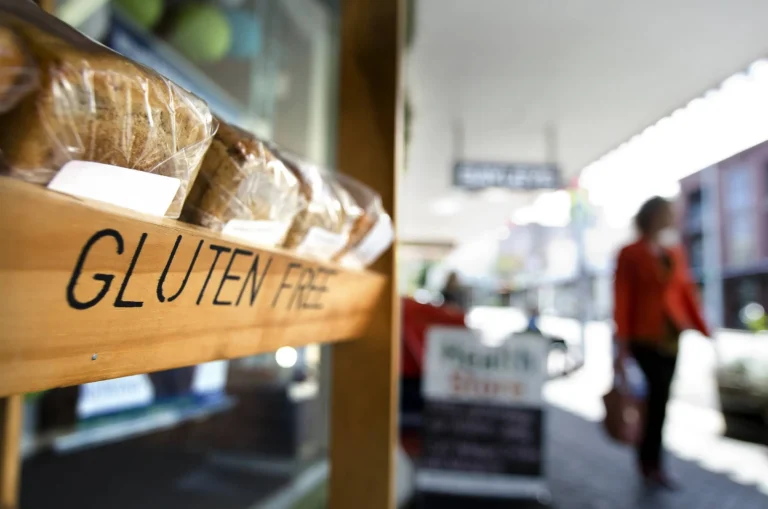
Find out why three square meals a day are becoming a thing of the past.
The old rhythm of three meals a day appears to be loosening its belt in Britain, with new research suggesting that many of us are swapping rigid breakfasts, lunches and dinners for a more casual, little-and-often way of eating.
Once upon a time, the British day had structure. Breakfast had ballast. Lunch had purpose. Dinner arrived like a small domestic ceremony, often involving gravy, potatoes and someone asking whether there was any more mint sauce.
Now, according to a poll of 2,000 Brits by The Laughing Cow, the nation is drifting towards something rather more flexible: snack plates, mini meals, fridge raids and eating when life allows, rather than when the clock demands.
A third of Brits, 34 per cent, now rarely eat three meals a day. More strikingly, nine in ten say they have replaced bigger meals with smaller, more frequent snacks.
That sound you hear is the Full English clearing its throat nervously.
Britain’s Little-And-Often Eating Habit
The research found that almost half of Brits, 48 per cent, say they are currently following a “little-and-often diet”, eating smaller snacks on average at least seven times a day.
Women appear slightly more likely to embrace this pattern, with 52 per cent saying they follow it, compared with 43 per cent of men.
This is not simply a case of people nibbling because they cannot be bothered to find a saucepan. The shift appears to be tied to the way modern life now works: blurred routines, hybrid jobs, busier days and a collective reluctance to face the daily theatre of deciding what on earth to cook.
The majority of those surveyed, 89 per cent, believe the idea of three rigid mealtimes no longer fits modern lifestyles. The reasons are familiar enough to anyone who has opened the fridge at 4.13pm and called it “a late lunch”: 42 per cent say people now eat when they are hungry rather than at set times, 34 per cent cite a lack of time, and 31 per cent say they are too busy to cook.
Working from home is also playing its part. Nearly a third, 31 per cent, say it allows them to eat when they want, while eight in ten admit the daily question of what to cook has caused meal plan fatigue.
There are United Nations negotiations with fewer moving parts than deciding dinner on a wet Tuesday.
The Full English Is Feeling The Heat
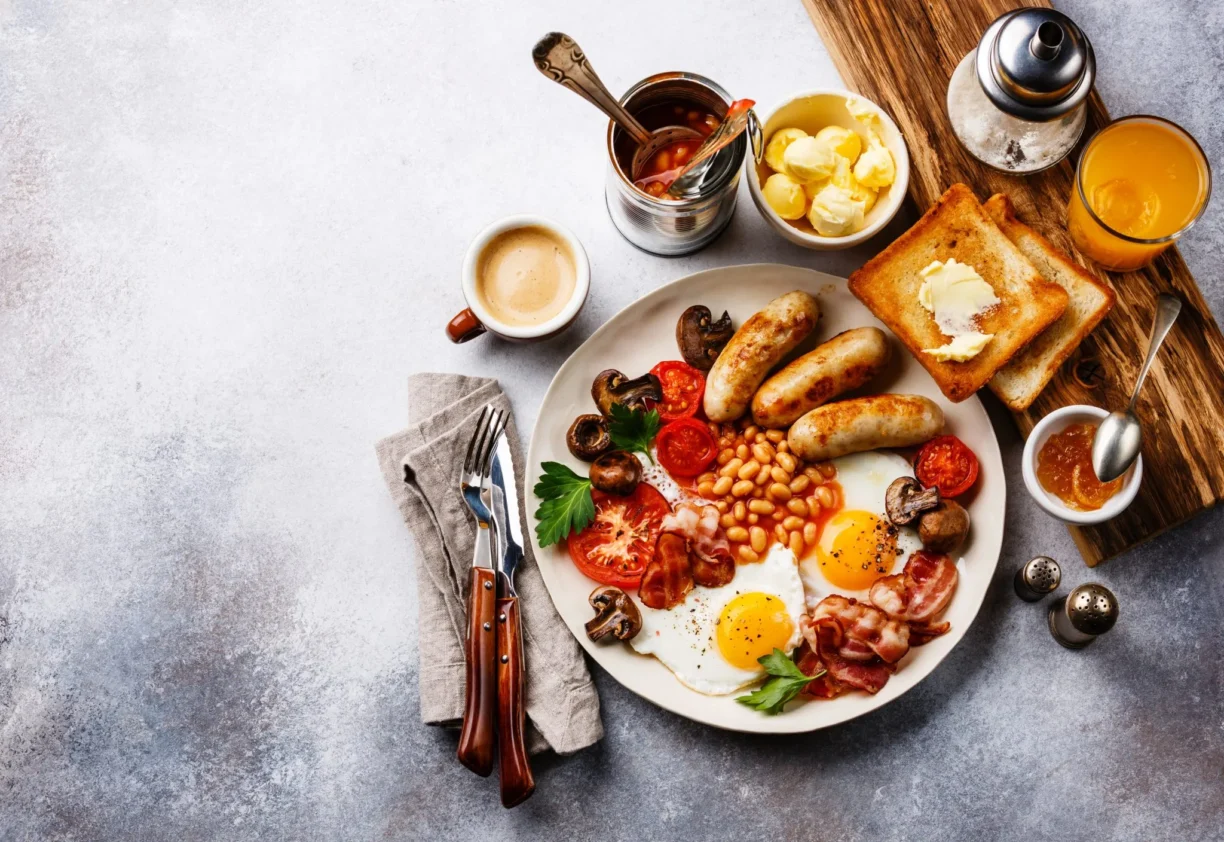
Traditional British breakfasts are among the biggest casualties of this shift.
Kippers are fading fastest, with 50 per cent of Brits saying they never eat them anymore. The Full English is also on the slide, with 43 per cent saying it is disappearing from their table. Boiled eggs and soldiers are down too, with 32 per cent leaving them behind.
Even porridge, the dependable cardigan of the breakfast world, is apparently not immune, with 21 per cent saying they no longer eat it.
That does not necessarily mean breakfast is dead. It may simply be changing shape. A plate that once involved bacon, eggs, beans, toast, tomato and a small engineering degree in timing may now be replaced by toast, fruit, yoghurt, crackers, cheese spread, nuts or something grabbed between emails.
Less theatre. Less washing up. Probably fewer beans on the keyboard.
Lunch Has Also Lost Its Certainty
Lunch, once the reliable midpoint of the day, is also being pulled into the snackification of Britain.
The poll suggests pork pies are falling out of favour, with 33 per cent of Brits saying they no longer eat them. Soup and bread is on the decline for 28 per cent, filled jacket potatoes for 20 per cent, and pasties and sandwiches for 15 per cent.
This is where the modern British eating pattern becomes interesting. It is not necessarily about eating less. It is about eating differently.
The classic sit-down meal is being replaced by what might be called functional grazing: small portions, more often, with less ceremony and more convenience.
It suits busy people. It suits remote workers. It suits anyone who has ever reached 2pm and realised lunch has become three crackers, a banana and blind optimism.
The Great British Dinner Is Shrinking
Even dinner, once the immovable object of the British household, is no longer sacred.
A quarter of Brits, 26 per cent, admit they would rather dip in and out of the fridge than sit down to a hot evening meal.
That is not great news for toad-in-the-hole, which 43 per cent say is vanishing from their dinner table. Beef stew is down for 36 per cent, shepherd’s pie for 26 per cent, roast chicken for 21 per cent, and fish and chips for 13 per cent.
It would be easy to treat this as a national scandal, perhaps with a brass band and someone waving a Yorkshire pudding in protest. But the change is more nuanced than that.
The traditional British dinner is not being abolished. It is being squeezed by time, work patterns, convenience and the quiet exhaustion of people who still want to eat well but do not always have the appetite for a full production.
Is Eating Little And Often Actually Better?
The health question is the important one. Eating more frequently can be helpful, but only if the food itself pulls its weight.
According to the research, 89 per cent of Brits say they feel more satisfied and energised when eating smaller amounts more frequently. That fits with the wider appeal of flexible eating patterns, including intermittent fasting and more personalised approaches to appetite and energy.
But there is a difference between a balanced mini meal and standing in the kitchen eating crisps with the solemn focus of a barrister reviewing evidence.
Oliver Richmond, from The Laughing Cow said: “This research reveals how our eating habits are shifting, and that snacking and enjoying lighter plates throughout the day is becoming more normal – especially over the summer months.
Snacking can sometimes be associated with unhealthy food choices, but with our Light range, you can snack more mindfully with portion-controlled convenient triangles that are high in taste and 25 calories per portion.”
Nutritionist Juliette Kellow says: ” Eating little and often can help keep our blood sugar levels steadier so we have more energy, are better able to concentrate, and are less likely to feel tired, irritable or angry.
The key is to choose healthy, nutritious ‘mini’ meals and snacks. Great choices include whole grain toast, pitta or crackers with light cheese spread and tomato, salads topped with salmon, prawns, egg, beans or chicken, vegetable omelettes, a bowl of fruit with plain yoghurt and nuts, or a jacket potato filled with tuna, sweetcorn and light cheese spread.
How To Snack Without Turning The Day Into A Biscuit Safari
The strongest message from the research is not that three meals a day are finished. It is that people need better options when life becomes too busy for traditional mealtimes.
Kellow’s advice is practical: plan your mini meals and snacks in advance, rather than leaving hunger to make the decisions. Hunger is a poor strategist. It will promise you balance and then steer you towards something beige, salty and eaten over the sink.
Protein also matters, particularly if smaller meals become the norm. Beans, lentils, eggs, fish, milk, reduced-fat cheese, yoghurt, chicken and lean meat can all help support muscle strength and keep meals more satisfying.
Fruit and vegetables should appear throughout the day too. Kellow recommends including at least one portion with each mini meal or snack, noting that a study from Imperial College London found that eating as many as 10 daily portions of vegetables and fruit may be even better than five for keeping us healthy.
Dairy can also play a role, particularly for calcium. Lower-fat options retain calcium while reducing fat content, and Kellow points out that one triangle of The Laughing Cow Light Cheese Spread contains 80mg calcium, which is 10 per cent of the Daily Reference Intake.
Sugar is the obvious hazard in a little-and-often diet. Frequent sugary snacks can increase the risk of tooth decay and make weight management harder, so savoury, nutrient-dense choices are usually the smarter move: wholemeal toast with unsweetened peanut butter, oatcakes with light cheese spread and tomato, or hummus with vegetable sticks.
For those eating on the move, preparation helps. Small tubs of nuts, seeds and dried fruit, apples, satsumas and individual packs of breadsticks are easy enough to carry without requiring a rucksack, a spreadsheet or the emotional resilience of a Duke of Edinburgh expedition.
Nutritionist Juliette Kellow’s Top Tips For Eating Little And Often
1. Get Planning
Plan your mini meals and snacks in advance and make sure you have the ingredients ready. Leaving food choices to chance can make it more likely you’ll reach for fatty, sugary or salty snacks that are low in protein, fibre, vitamins and minerals. Kellow also recommends spreading mini meals and snacks evenly throughout the day rather than eating them all at once.
2. Include Protein With Meals
Protein is essential for maintaining muscle strength and can easily be overlooked when eating smaller meals. Good sources include beans, lentils, eggs, fish, milk, reduced-fat cheese, yoghurt, chicken and lean meat.
3. Get Your 5-A-Day
Fruit and vegetables provide fibre as well as important vitamins and minerals. Kellow recommends including at least one portion with every mini meal or snack. Research from Imperial College London has suggested that eating up to 10 portions a day may offer even greater health benefits than the standard five.
4. Put Dairy On The Menu
Dairy foods provide calcium, which is vital for healthy bones and teeth. Lower-fat dairy products can help reduce fat intake while still delivering calcium. Kellow notes that one triangle of The Laughing Cow Light Cheese Spread contains 80mg of calcium, equivalent to 10 per cent of the Daily Reference Intake.
5. Watch Sugar Content
Frequently eating sugary foods can increase the risk of tooth decay and make weight management more difficult. Instead, choose savoury snacks such as wholemeal toast with unsweetened peanut butter, oatcakes topped with light cheese spread and tomato, or hummus with vegetable sticks.
6. Be Prepared When You’re On The Move
Busy lifestyles often mean eating away from home. Taking prepared snacks can help you make healthier choices. Kellow recommends options such as small tubs of nuts, seeds and dried fruit, apples, satsumas and individual packs of breadsticks.
7. Go Tech-Free When Eating
Mindful eating can help you enjoy food more and recognise when you’re full. Kellow advises sitting at a table, using a plate and cutlery, chewing thoroughly and avoiding screens while eating to reduce the likelihood of overeating.
The End Of Mealtimes, Or Just A New Routine?
The British table is not collapsing. It is adapting.
Three meals a day still works beautifully for many people. For others, the old breakfast-lunch-dinner model now feels too rigid for the messier pace of modern life.
The smarter version of this trend is not constant grazing. It is intentional grazing: balanced mini meals, enough protein, plenty of fruit and vegetables, sensible portions and fewer emergency decisions made in front of an open fridge.
The Full English will survive. Roast chicken is not heading for a museum. Shepherd’s pie does not need a candlelit vigil just yet.
But Britain’s eating habits are changing, and the plate is getting smaller, more flexible and rather less obedient to the clock. The nation that once lived by meat and two veg is now increasingly run by snack plates, busy diaries and the ancient domestic question: “Can I call this lunch?”