Barcelona, Zurich and Paris lead Europe for free public drinking water, according to new InsureandGo travel research.
Hydration may not be the sexiest part of planning a summer city break, but anyone who has tried marching through Barcelona in July with a warm bottle and a rapidly declining sense of humour will tell you it matters.
A new study from travel insurance specialist InsureandGo has revealed the European cities where visitors have the easiest access to free public drinking water, with Barcelona leading the way on 18 listed fountains per square kilometre.
Zurich follows in second place with 11 fountains per km², while Paris completes the top three with 10. Between them, Spain and France dominate the upper end of the table, which feels about right: two countries very good at sunshine, walking, lunch, and making you wish you had packed a better hat.
Barcelona Leads Europe For Free Water Access
According to InsureandGo, the study looked at more than 50 European destinations and used OpenStreetMap data to calculate the number of listed public drinking water fountains per square kilometre.
Barcelona came out comfortably ahead, helped by the spread of fountains across parks, tourist zones and busy walking routes. For visitors moving between Las Ramblas, the Gothic Quarter and Park Güell, the city offers more than architecture, tapas and that peculiar tourist shuffle caused by inappropriate footwear. It also offers a fighting chance of staying properly watered.
That matters. Barcelona is known for intense summer heat, and for travellers covering the city on foot, free drinking water is less a convenience and more basic travel intelligence.
| Rank | City | Country | Fountains per km² |
|---|---|---|---|
| 1 | Barcelona | Spain | 18 |
| 2 | Zurich | Switzerland | 11 |
| 3 | Paris | France | 10 |
| 4 | Lyon | France | 7 |
| 5 | Valencia | Spain | 6 |
| 6 | Lisbon | Portugal | 6 |
| 7 | Turin | Italy | 5 |
| 8 | Milan | Italy | 4 |
| 9 | Vienna | Austria | 4 |
| 10 | Madrid | Spain | 3 |
| 11 | Budapest | Hungary | 3 |
| 12 | Amsterdam | Netherlands | 3 |
| 13 | Brussels | Belgium | 3 |
| 14 | Rome* | Italy | 2 |
| 15 | Nice | France | 2 |
Zurich And Paris Prove Infrastructure Still Matters
Zurich takes second place, which will surprise absolutely nobody who has ever watched Switzerland make civic planning look like a precision sport. The city is known for high-quality tap water, and many of its fountains draw on natural spring or lake water.
For visitors walking the city centre or heading along the lakeside paths, the ability to refill a reusable bottle without hunting for a shop is a small but valuable luxury.
Paris, meanwhile, comes in third. The French capital’s famous green Wallace fountains have been part of the city’s street furniture since the 19th century. More recently, Paris has also expanded access to chilled and sparkling water refill stations, which is exactly the sort of thing that makes you think civilisation may yet survive.
For travellers spending long days between museums, parks, neighbourhood strolls and café terraces, the city’s public water network adds a practical layer to the romance.
Southern Europe Dominates The Hydration Rankings
Spain and France account for five of the top ten cities in the ranking. Barcelona, Valencia and Madrid represent Spain, while Paris and Lyon fly the flag for France.
Valencia’s place in the top five is especially useful for summer travellers. It is one of Europe’s hotter city-break destinations, with temperatures capable of reaching 40°C during heatwaves. In that sort of weather, a reusable water bottle is not a lifestyle accessory. It is survival kit with a screw cap.
Lyon also performs strongly, helped by investment in public water infrastructure and a compact, walkable city centre. It is also one of France’s great food destinations, which means visitors can hydrate sensibly before making deeply unserious decisions around tarte aux pralines.
Why Free Drinking Water Matters For Travellers
The practical value here is obvious. Summer travel often means long walking days, crowded public transport, airport transfers, outdoor queues and sightseeing in unfamiliar heat.
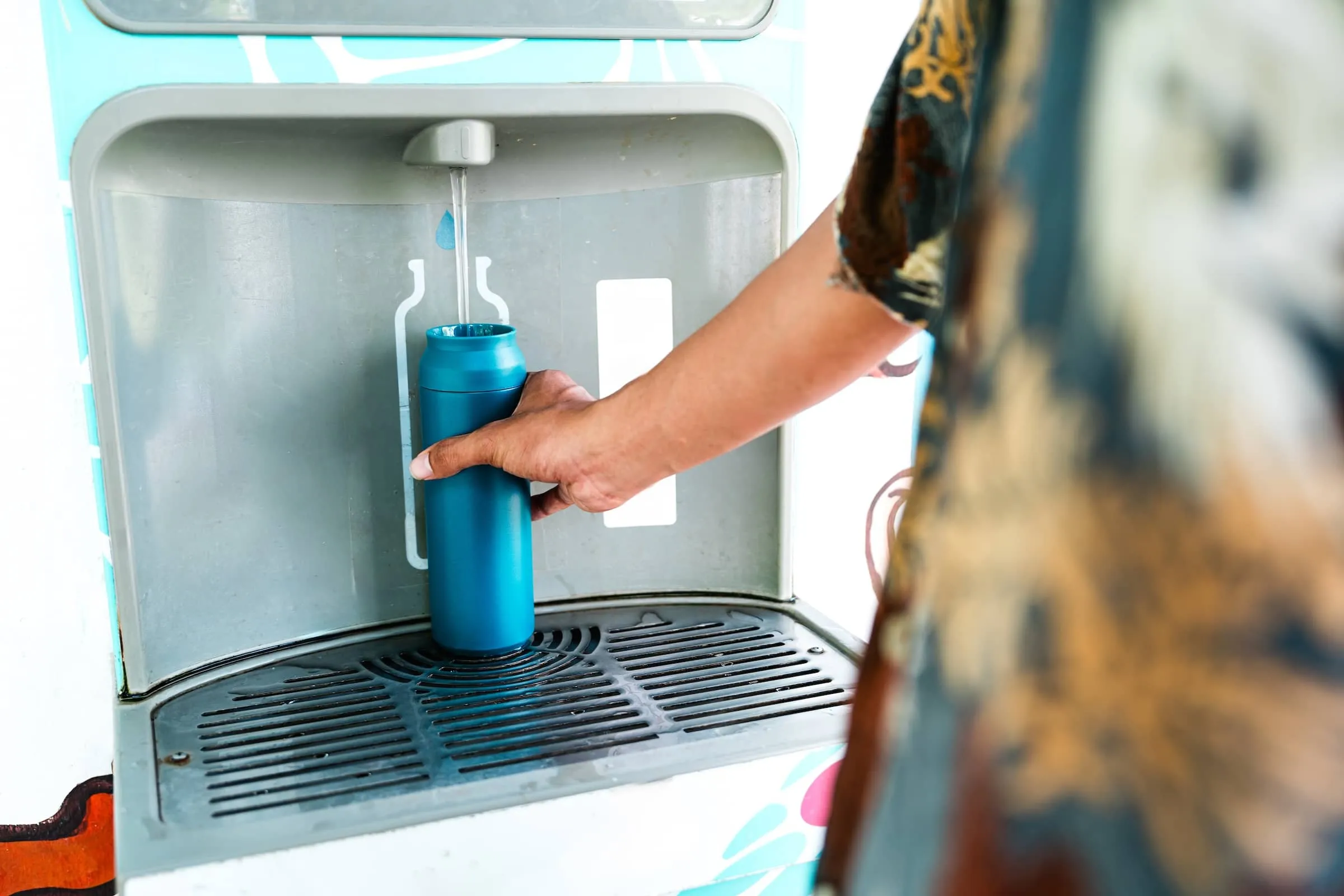
For families, older travellers, runners, walkers and anyone living with a medical condition, access to safe public drinking water can make a real difference to comfort and safety. It also helps cut down on single-use plastic bottles, particularly in cities where refilling is straightforward.
Letitia Smith, Head of Communications at InsureandGo, says, “Staying hydrated as temperatures rise this summer is important when travelling, especially if you’re living with pre-existing medical conditions where you can become dehydrated more easily. When you’re busy exploring, it’s easy to forget to drink enough water, but our research shows that many of Europe’s most popular cities are prepared for this.
“If you’re heading to Barcelona, Zurich, or Paris this summer, a reusable water bottle can be a great solution. For cities lower down the ranking, look up the nearest fountains on your phone’s map before heading out and consider carrying a topped-up bottle just in case. We want people to travel worry-free and safely enjoy a new environment, and knowing the practical details of your destination is a big part of that.”
The Smart Summer Travel Habit: Carry A Bottle
The lesson is pleasingly simple. If you are heading to Barcelona, Zurich or Paris, pack a reusable bottle and use the city as intended. If your destination sits lower down the list, check fountain locations before setting off, especially during heatwaves or long sightseeing days.
It is not glamorous advice. Nobody returns from a European city break boasting about their hydration strategy. But then nobody wants to be the person wilting beside a cathedral, sunburnt, thirsty and paying airport prices for a bottle of water.
For more information on travel insurance for people living with pre-existing medical conditions, visit: https://www.insureandgo.com/travel-insurance/medical/