
A £2.99 Amazon ring tested at Birmingham Assay Office contained 92.3% cadmium, raising serious questions about online jewellery safety.
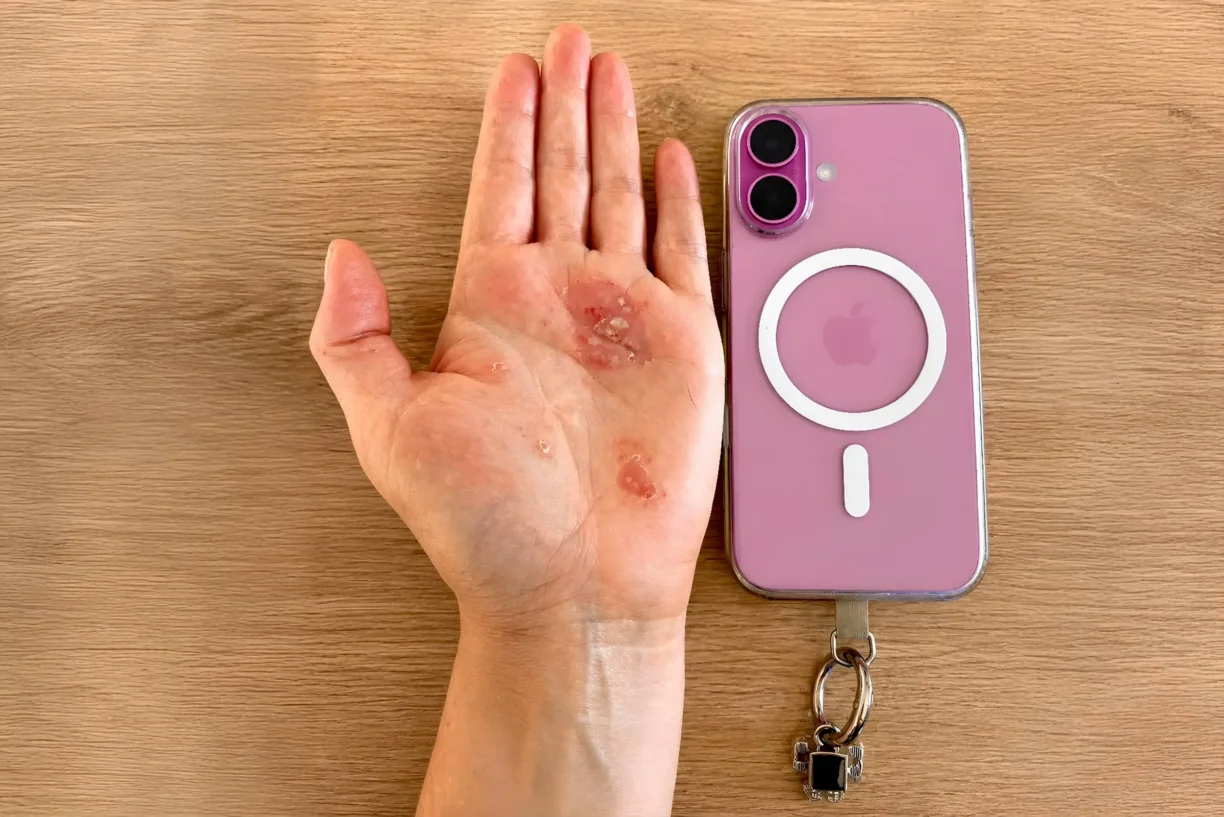
In 2025, I suffered an injury caused by a magnetic phone charger that attached to the back of my iPhone. The product had been marketed on Amazon as something that could be safely held in the hand while being used – video content.
Following the injury, I asked Amazon for evidence that the product complied with UK chemical safety legislation, specifically REACH.
Amazon’s response surprised me. Although I had purchased the product through its website, I was told it was a marketplace purchase and directed towards the overseas seller.
As someone who has worked in the jewellery industry for almost three decades, my career has centred around importing responsibly. My injury involved a metal sensitivity, and one question kept playing on my mind.
If Amazon expected a member of the public pursuing a personal injury claim to deal directly with a small seller in China, what was happening in the jewellery industry?
That question opened a door that could never be closed again.
The UK jewellery industry is one of the most heavily regulated consumer sectors. Two key pieces of legislation protect the public.
The first is the Hallmarking Act, which protects consumers financially by confirming that precious metals such as gold, silver and platinum are exactly what they claim to be.
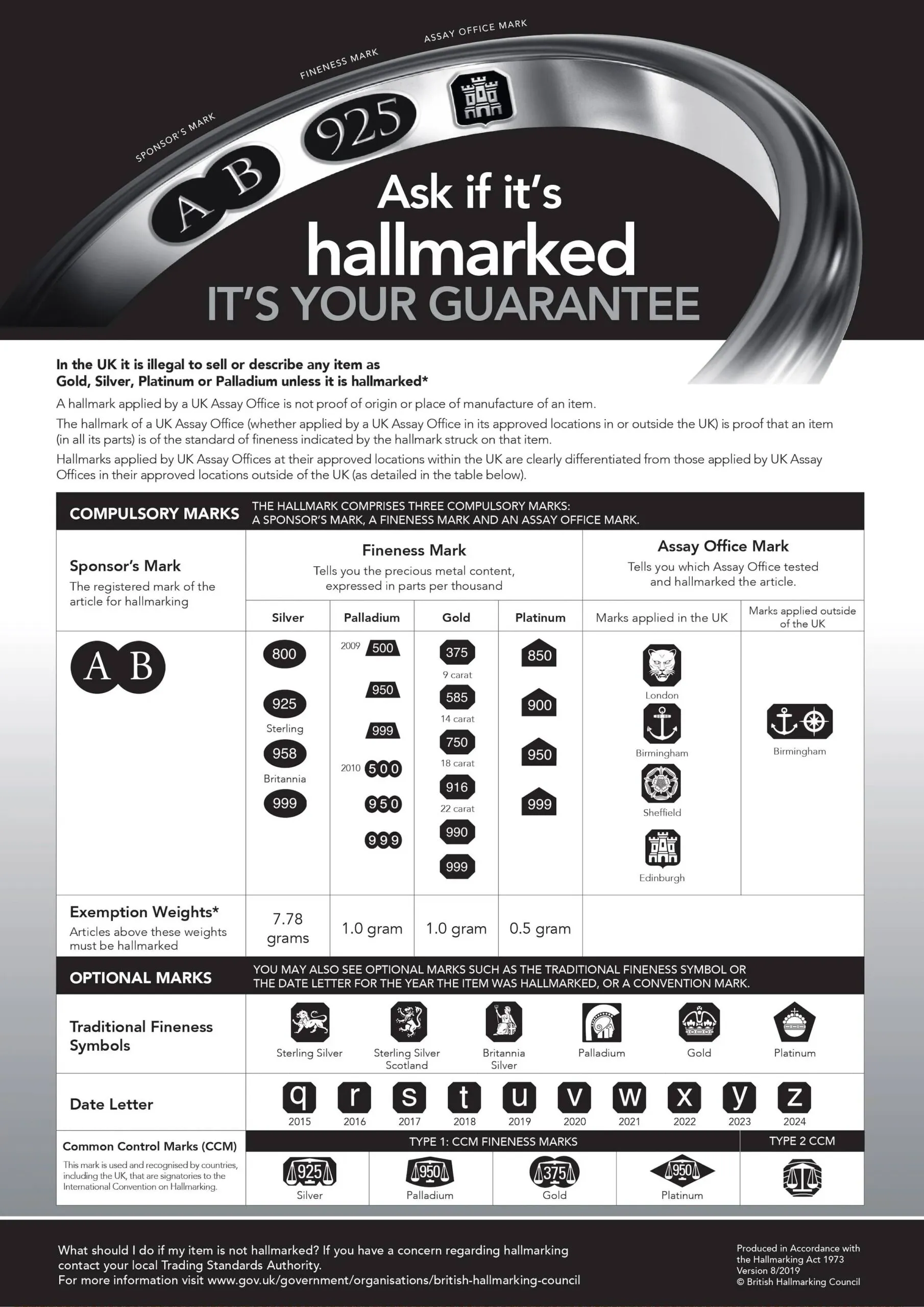
The second is UK REACH, which protects consumers from hazardous chemicals. Jewellery manufactured from poorly controlled alloys can contain substances such as cadmium, lead and nickel above legal limits, creating potential health risks.
As I began investigating online marketplaces, I discovered what appeared to be widespread failures to comply with these long-established protections.
The UK has four Assay Offices—London, Birmingham, Sheffield and Edinburgh—all of which have access to specialist testing for precious metals and chemical compliance.
The UK also participates in the International Convention on Hallmarking, recognising hallmarks from a limited number of participating countries. Countries including China, India, Turkey and Mexico are not members of that convention, meaning products sold directly into the UK must still comply with UK hallmarking requirements before they are legally supplied to consumers.

I supplied Amazon with extensive evidence highlighting what I believed were breaches of UK jewellery legislation. Amazon asked me to provide physical proof.
Rather than spending thousands of pounds commissioning multiple laboratory reports, I decided to test a single product.
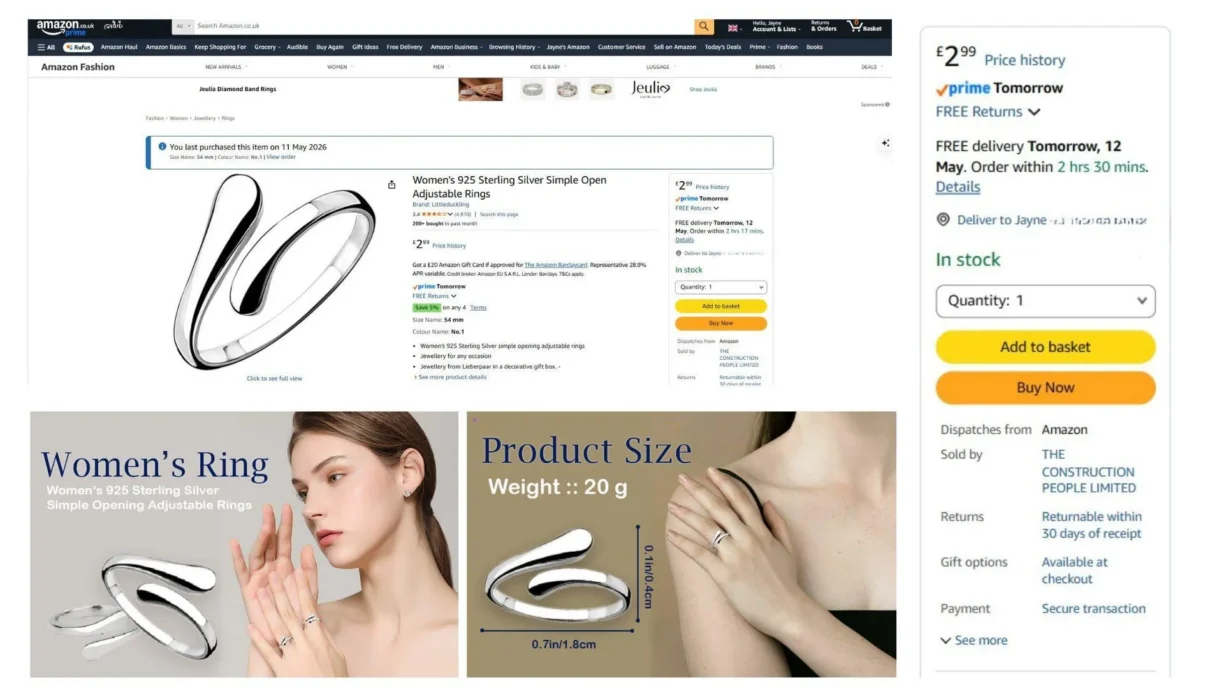
I purchased a ring advertised as “925 Sterling Silver” for just £2.99. The product was fulfilled through Amazon’s UK warehouse.
The ring was first analysed by Dan Metals in Hatton Garden using X-ray fluorescence (XRF), a widely used screening technique for metal composition. The initial screening detected cadmium.
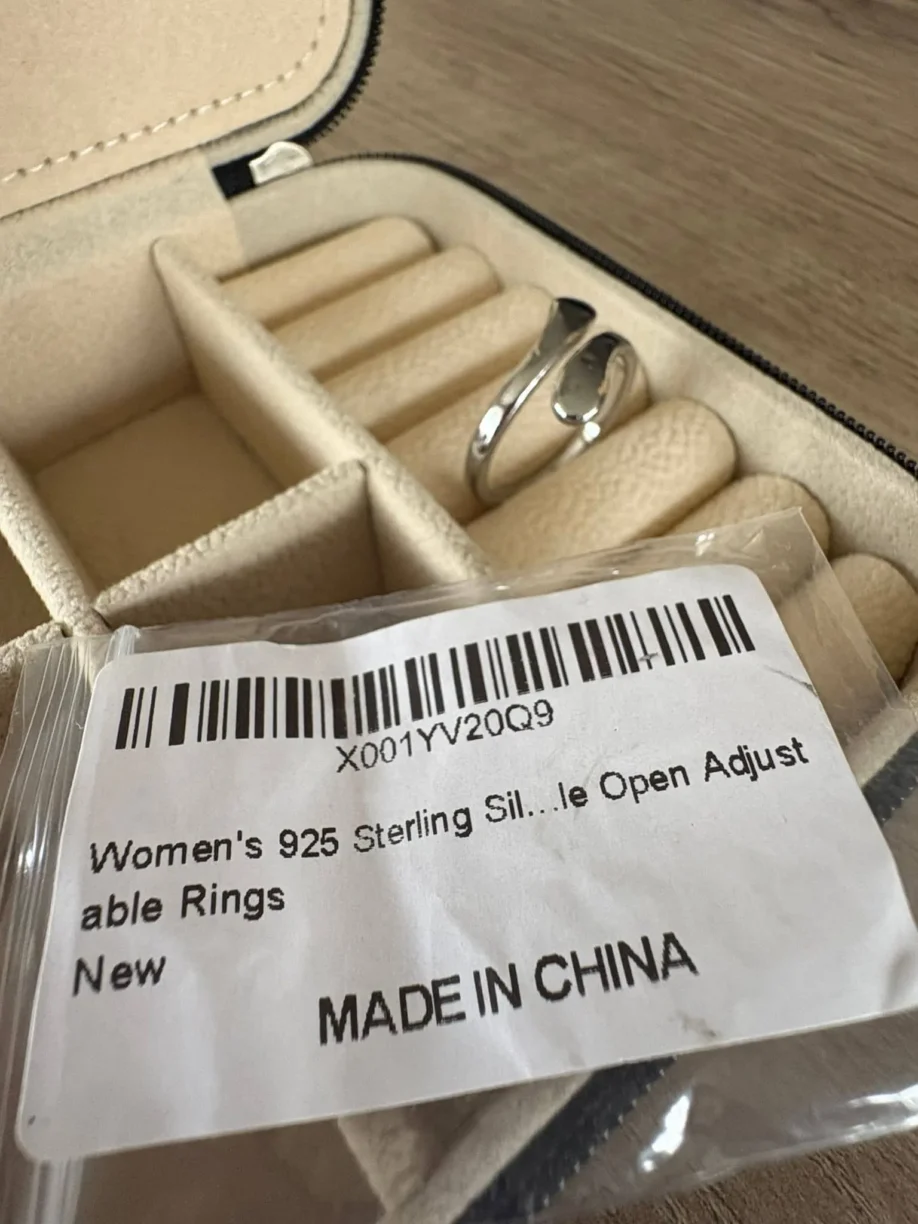
To obtain definitive laboratory analysis, the ring was then submitted to Birmingham Assay Office.
The results were extraordinary.
Instead of being sterling silver, the laboratory reported the ring contained approximately 92.3% cadmium. The legal limit for cadmium in jewellery supplied in the UK is 0.01%, meaning the concentration exceeded the legal threshold by more than 9,000 times.
I immediately notified Amazon.
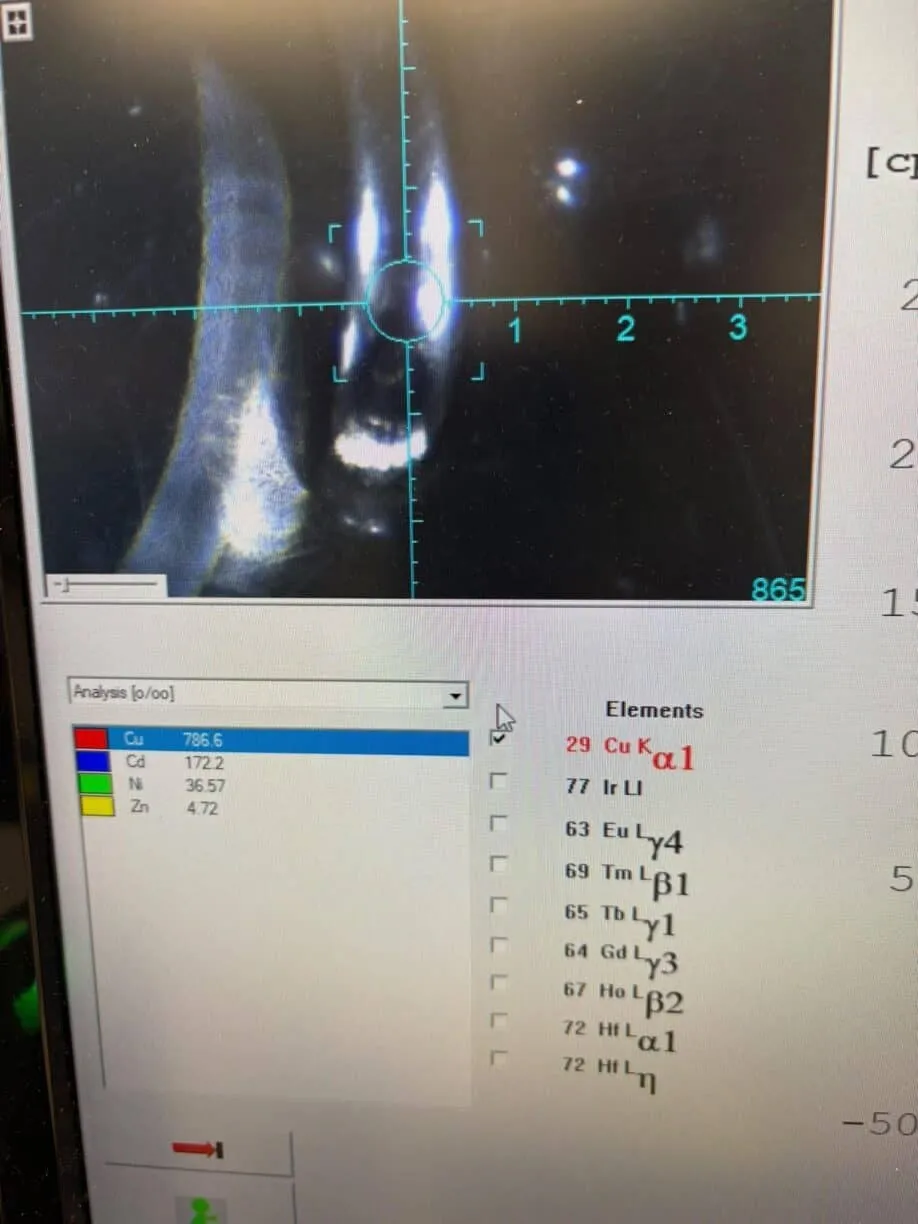
To my surprise, the product listing remained available for purchase.
To determine whether this had simply been an isolated batch, I purchased the ring again several weeks later. By then, the price had increased from £2.99 to £3.29, but the listing was still active.
The second ring was independently screened using XRF equipment at London Assay Office.
Once again, cadmium was detected at levels far above the legal threshold.
After repeatedly reporting the listing and escalating the matter to Trading Standards, the issue ultimately attracted the attention of The Sunday Times.
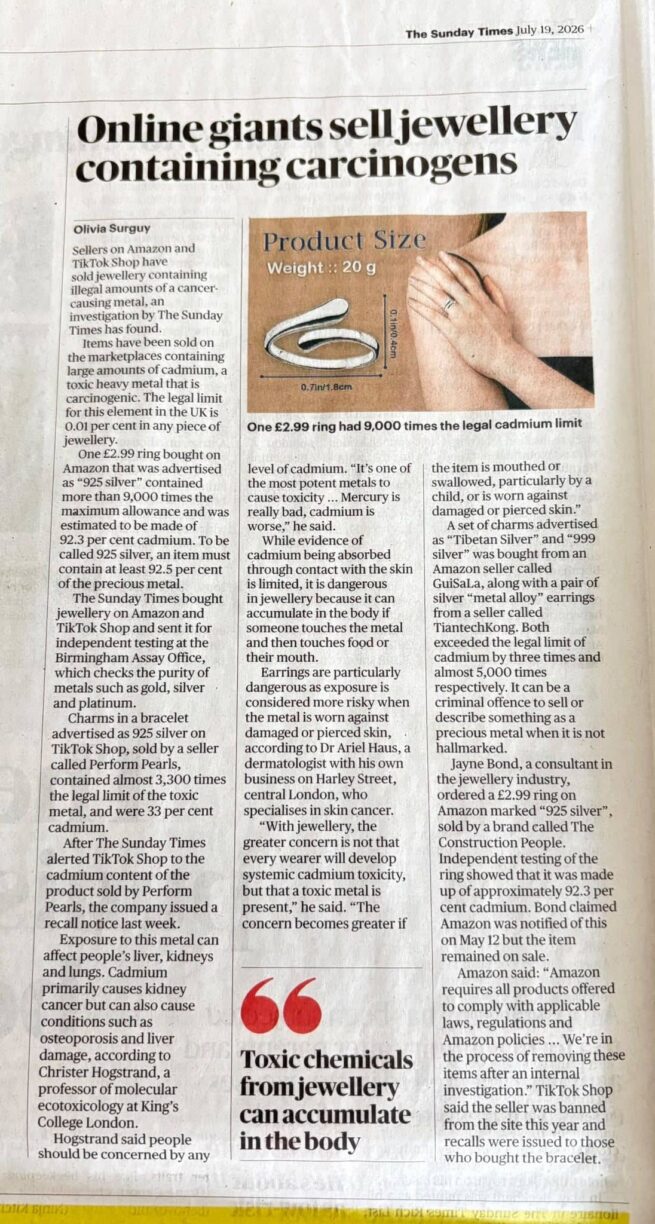
Its subsequent investigation independently purchased jewellery from online marketplaces and confirmed illegal levels of cadmium in multiple products. The investigation found one Amazon ring exceeded the legal cadmium limit by more than 9,000 times, while other products purchased from Amazon and TikTok Shop also exceeded legal limits by substantial margins.
The story, published nationally by The Sunday Times, highlighted concerns raised by toxicologists and dermatologists that cadmium is a known carcinogenic metal capable of accumulating in the body over time. While everyday skin exposure alone is not necessarily expected to cause systemic poisoning, experts warned that jewellery containing cadmium becomes a much greater concern if worn against damaged or pierced skin or if swallowed, particularly by children.
For me, this was never simply about one £2.99 ring.
It began with a personal injury and a simple question about accountability. It evolved into a wider investigation into consumer protection, product compliance and whether existing safeguards are keeping pace with global online marketplaces.
Consumers naturally assume that products sold through major online platforms meet UK safety requirements. My experience suggests that independent testing and regulatory oversight remain essential to ensure that assumption is justified.
The moral of this story. Only buy Jewellery online from a UK Retailer or one from a Convention Hallmarking Country, as legal compliance applies and there is accountability.