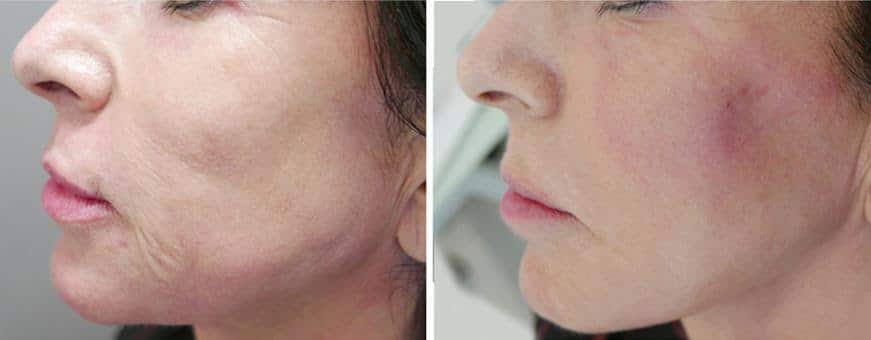
Uvence uses a patient's own purified live cells to reset the ageing process and rejuvenate skin
Uvence has arrived in London with a rather intriguing proposition for anyone who likes the idea of aesthetic medicine but not the thought of looking as though they have been inflated during a bicycle repair. Developed with leading aesthetic surgeon Dr Olivier Amar, the treatment uses a patient’s own fat cells to create a natural injectable designed to improve the look, feel and quality of ageing skin.
It is, at least on paper, a neat bit of biological housekeeping: take a small amount of tissue, refine it, store it, and use it over time. Less Frankenstein, more freezer drawer with a medical degree.
A Natural Injectable With A Longer Game
The cosmetic world has never lacked confidence. It has, however, occasionally lacked subtlety. Uvence is positioning itself in a different corner of the room, away from the “new face by Friday” brigade and closer to the growing appetite for regenerative, personalised treatments.
The system combines liposuction, nano-fat transfer and cryogenic storage into a standardised procedure. The idea is to create a patient-specific treatment from their own fat cells, rather than relying on foreign chemicals, synthetic additives or more invasive surgical work.
Uvence is regulated by the Human Tissue Authority, and its central pitch is that the treatment uses the restorative properties of the patient’s own tissue. In practical terms, that means no donor material, no foreign filler substance, and no risk of rejection from someone else’s biology gate-crashing the party.
How The Uvence Treatment Works
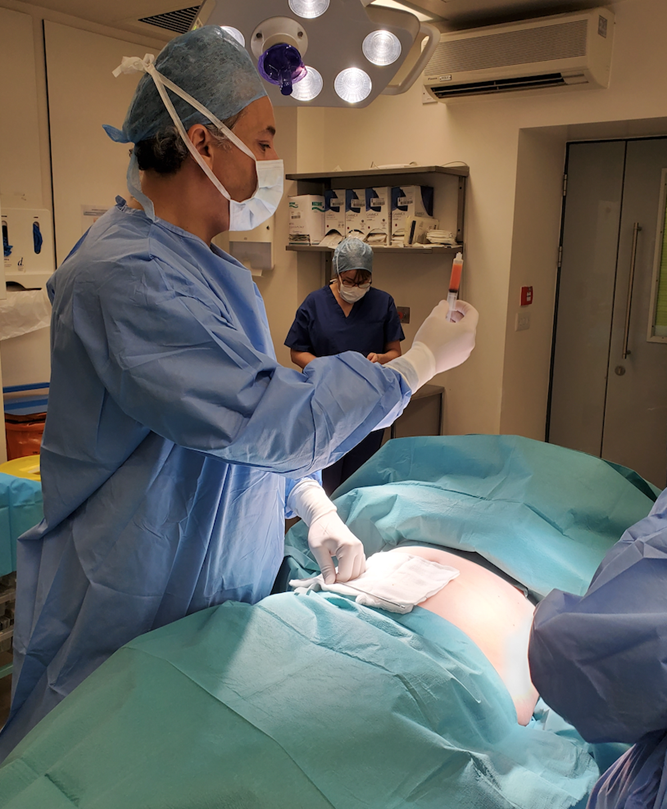
The process begins with a micro or mini liposuction procedure, used to extract a small amount of fat from the patient. That tissue is then purified to create Uvence’s patented “Super Enriched Tissue”.
Once prepared, the tissue can be reinjected into areas where skin quality, tone or texture may have changed with age. The treatment is being aimed at common problem areas including the face, neck, décolletage and hands — the usual suspects in the ageing line-up, and often the first to give the game away.
The more distinctive part of the Uvence system is cryogenic preservation. The purified tissue can be stored for up to five years, allowing patients to return for further treatments without undergoing repeated liposuction or tissue extraction each time.
That standardised approach is central to the proposition. In an industry where “bespoke” can sometimes mean “let’s see how this goes”, Uvence is trying to offer consistency, repeatability and patient control over when and where the injections are administered.
Dr Olivier Amar And The Fat-Transfer Connection
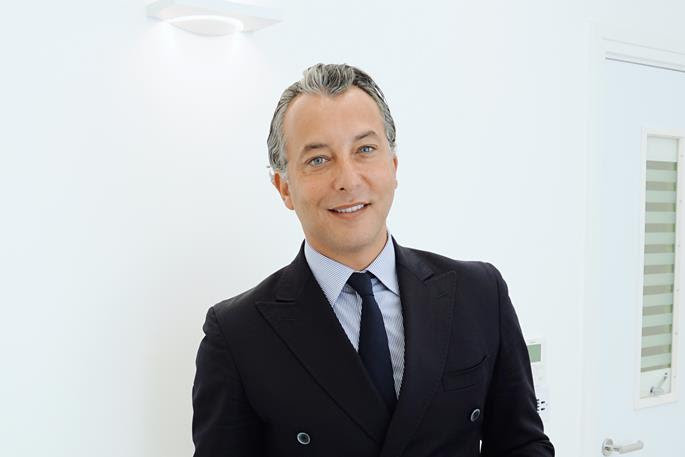
Dr Olivier Amar, Chief Medical Officer of Uvence, is one of Europe’s leading aesthetic consultants and has more than 15 years of experience in cosmetic and plastic surgery.
There is family history here too. His father was among the surgeons associated with bringing liposuction to France, and Amar has built his own reputation around fat-transfer techniques in the UK. That background gives Uvence a useful dose of medical lineage, rather than the usual beauty-industry confetti cannon of adjectives.
“This really is the future of cosmetic skin treatments, it is hugely exciting to see the next step in standardisation and quality for this kind of treatment. The Uvence offering allows access to regenerative and personalised treatments and is the biggest advance in the field for nearly 15 years.
In terms of accessibility and convenience this has never been seen before, the cryopreservation capability allows plastic and cosmetic surgeons alike to provide this treatment on a consistent basis to their patients without the need for further liposuction or tissue extraction.”
It is a bold claim, certainly. But in a sector increasingly interested in regenerative aesthetics and minimally invasive procedures, the timing is not difficult to understand. Patients want visible improvement, but many also want fewer tell-tale signs of intervention. The best cosmetic work, after all, is often the sort nobody can quite prove happened.
A Treatment Designed Around Patient Control
Uvence launched in London last month and is expected to be introduced to more clinics across the UK later this year.
The treatment sits within a broader shift in aesthetic medicine: away from one-off dramatic intervention and towards staged, lower-impact procedures that can be planned over time. The cryogenic storage element is significant because it changes the treatment from a single appointment into a longer-term skin management programme.
That is likely to appeal to patients who want gradual rejuvenation rather than a sudden transformation that causes friends to squint suspiciously over lunch.
Reece Tomlinson, CEO of Uvence, commented on the launch:
“This is just the start of a really exciting journey of how we can use our own tissue and its rejuvenating properties to naturally lift the look and feel of our skin.
While we cannot stop the ageing process, we can slow it down, and that is exactly what a Uvence treatment allow us to do.
This kind of treatment ‘resets the clock’ on aging without the permanence of surgery or potential toxicity of other cosmetic treatments.By offering this as a minimally invasive procedure, spread potentially over years, it gives patients the opportunity and time to change their beauty routine to highlight the natural benefits of this process.
With the cosmetic surgery market expected to be worth $43.9bn by 2025, we believe that Uvence’s process, technology, and storage facilities offer a genuinely game-changing alternative to invasive cosmetic treatments.”
The commercial ambition is clear, but the more interesting point is cultural. Beauty consumers are becoming more fluent in the language of collagen, regenerative medicine, tissue quality and long-term maintenance. The conversation has moved beyond simply filling lines and smoothing surfaces. The modern patient wants to look rested, not redesigned.
Why Clinics May Be Watching Closely
One of the notable clinical arguments for Uvence is that it may sit alongside other established treatments. It is not being framed as an isolated miracle, which is wise, because miracle language in aesthetics tends to age worse than the skin it is trying to improve.
Dr Maryam Zamani, a leading oculoplastic surgeon, is among the practitioners offering the treatment.
“I think this is a perfect addition to the arsenal of treatments I provide. Uvence is an innovative way to harvest small amounts of fat in a short procedure to then prepare into super-enriched tissue to help improve quality of the skin.
It can be used in combination with injectables, energy-based treatments and surgery to bolster collagen production and a more youthful preservation. The beauty of this treatment is that you can harvest enough fat to produce injectable super-enriched tissue to use for up to five years.
That combination potential matters. For patients already familiar with injectables, energy-based treatments or surgical options, Uvence offers another route: one built around the patient’s own tissue and stored for future use.
A More Subtle Kind Of Cosmetic Ambition
The most persuasive part of Uvence is not that it promises eternal youth. Sensible people know that ageing is undefeated, rather like gravity, tax and a three-putt from eight feet. The more credible appeal is maintenance: supporting skin quality over time using a natural, personalised resource.
There will, inevitably, be questions patients should ask before considering any treatment: suitability, recovery time, clinician experience, regulation, expected outcomes and whether the procedure fits their medical history. No cosmetic treatment should be treated as casual simply because it is minimally invasive.
Still, Uvence lands at an interesting moment. The best aesthetic medicine is becoming less about alteration and more about preservation. If this treatment delivers on its promise of natural, standardised, repeatable rejuvenation, it could find a willing audience among those who would like to look fresher without looking newly assembled.
And that, in the modern beauty world, may be the cleverest trick of all.