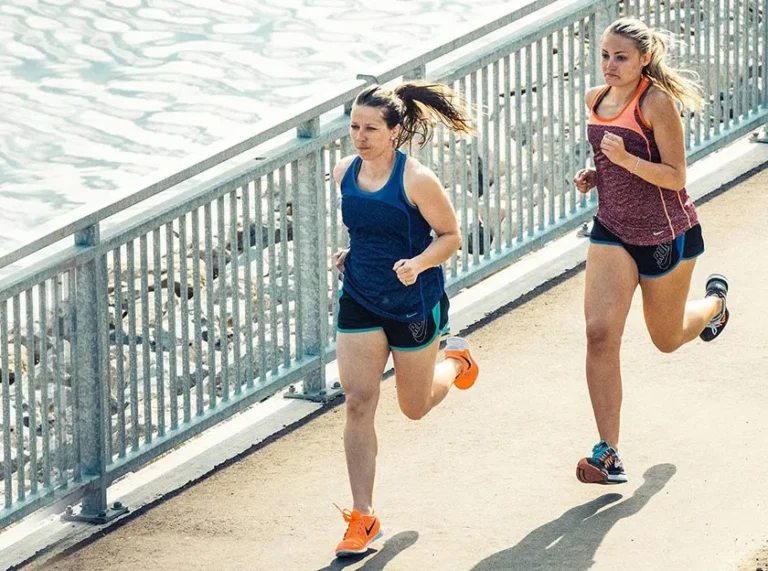
Better training begins with smarter cooking, steadier fuel and habits that hold when life gets busy.
Training and eating properly go hand in hand. An imbalance either way can lead to energy levels dipping, weight not being managed and training being less effective.
Long-term training relies on good, long-term habits in the kitchen rather than bursts of discipline. Here are some tips to improve your cooking habits to support your training goals.
Why cooking shapes your progress more than you think
Food is an important part of keeping your body in check, whether you are training or not. But if you are training, it is even more essential.
Preparing meals yourself means you can control the portion sizes, ingredients and timings. Being able to manipulate these factors allows you to adjust your meals according to what your body and training require.
Build habits that stick
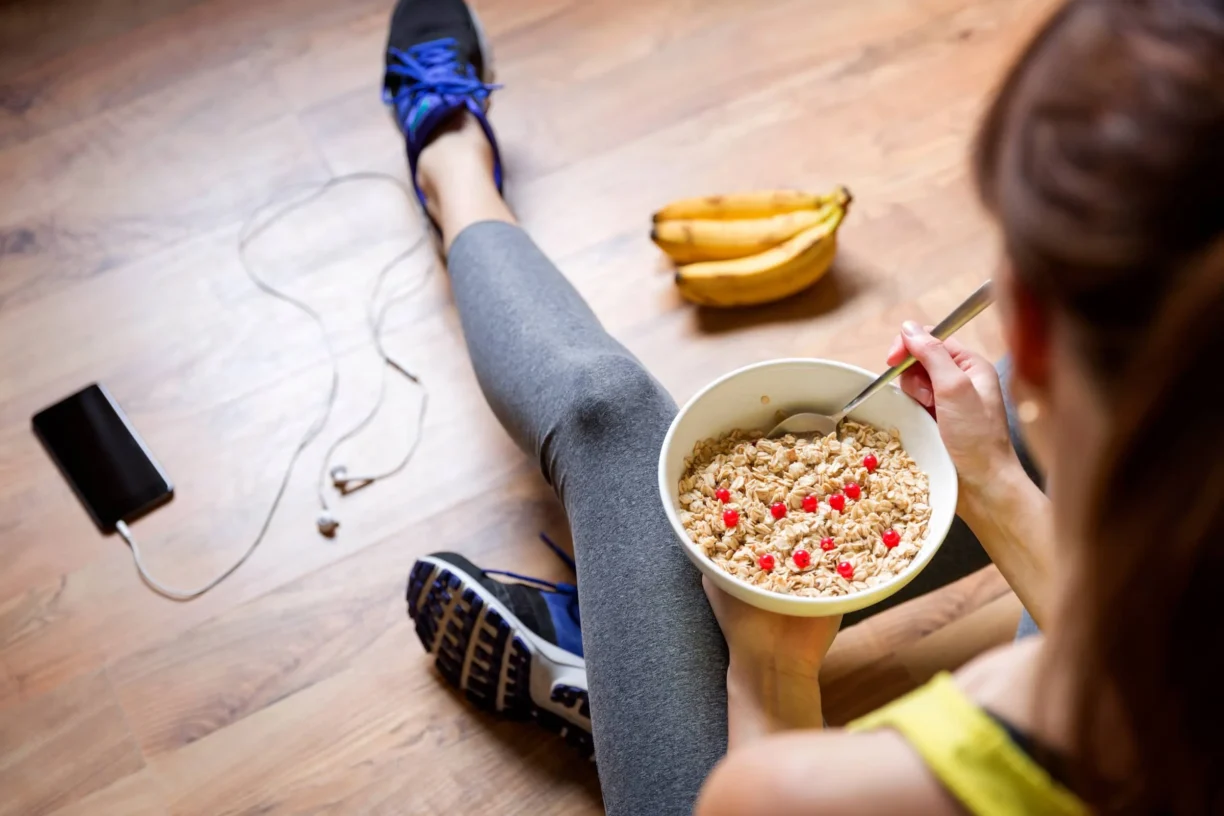
Takeaways are a huge temptation, especially after a busy day at work. Instead, dedicate Sunday afternoons to meal prepping. Make all your dinners for the week and freeze them to ensure they are easy to grab.
When it comes to choosing your recipes, consider the dietary breakdowns. Go for meals that complement your training routines. Make sure you have enough carbs as well as protein for energy and strength.
Social media is full of inspiration for healthy meals, so have a scroll to see if there’s something new you want to try. You could challenge yourself to make one new recipe per week to keep things feeling exciting.
Create a kitchen that supports your routine
Cooking in a chaotic, messy environment is not conducive to motivating yourself. Try to keep on top of the clutter and cleaning so that whenever you do cook, you can crack straight on.
Think about how you move through your kitchen. Keeping pans near the stove is logical, as is keeping cutlery close to plates. A pull-out pantry is a great idea for organising the majority of your jars, bottles and cans, whilst being convenient to access.
Some people feel that a complete overhaul will help them the most. A luxury green kitchen could be the redesign you need to get you focused on both food and training.
Fuel training with foods that help recovery
Food should be seen as a long-term plan rather than an immediate performance booster. Adjust your intake according to the type of exercise you are undertaking.
Ideally, have a decent meal two hours before working out. Focus on easily digestible carbohydrates rather than proteins and fats. This is because your body digests protein and fats more slowly, taking away oxygen and blood from your muscles.
After an intense workout, replenishing electrolytes is important. Foods such as leafy greens, fatty fish and nuts and seeds all contain the minerals and electrolytes you need. Add in some carbs and protein for energy and muscle repair, and you will notice you feel better, fuller and more energised.
Keep adjusting as your training changes
Training is not a linear journey. As you get faster, fitter or stronger, you will need to change your diet. This may be in the form of eating more, emphasising different nutrients or even switching your goals and therefore your total meal plan.
Instead of a strict regime, try checking in with yourself weekly or monthly. Think critically about how you are eating, but remember, food should be enjoyable too. If it becomes a chore, you are less likely to form those long-lasting habits.