Tom Hardy’s off-screen body exposes the cost of Hollywood physiques and the illusion men are still told to chase.
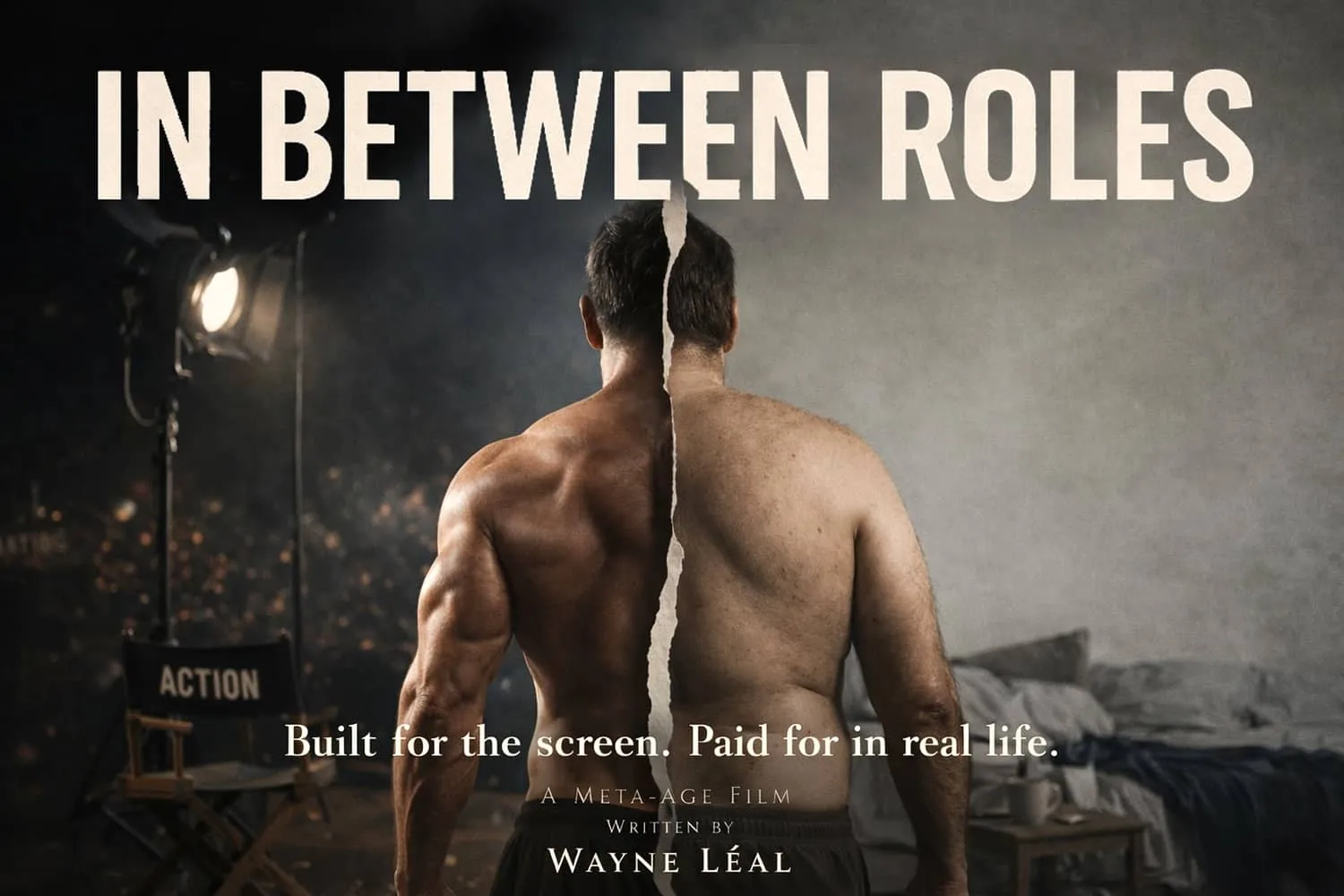
There’s the body you see on screen. And then there’s the body that exists in between. Actors like Tom Hardy have built careers on physical transformation—lean, powerful, fight-ready. A Hollywood physique that looks effortless, but is anything but. It’s constructed.
Driven by extreme training cycles, aggressive dieting, and—whether openly discussed or not—the kind of pharmaceutical support the industry rarely acknowledges. Not because it doesn’t exist, but because no one inside the system can afford to say it does.
That’s the unspoken agreement. Then a different image appears. Not lit. Not staged. Not prepared.
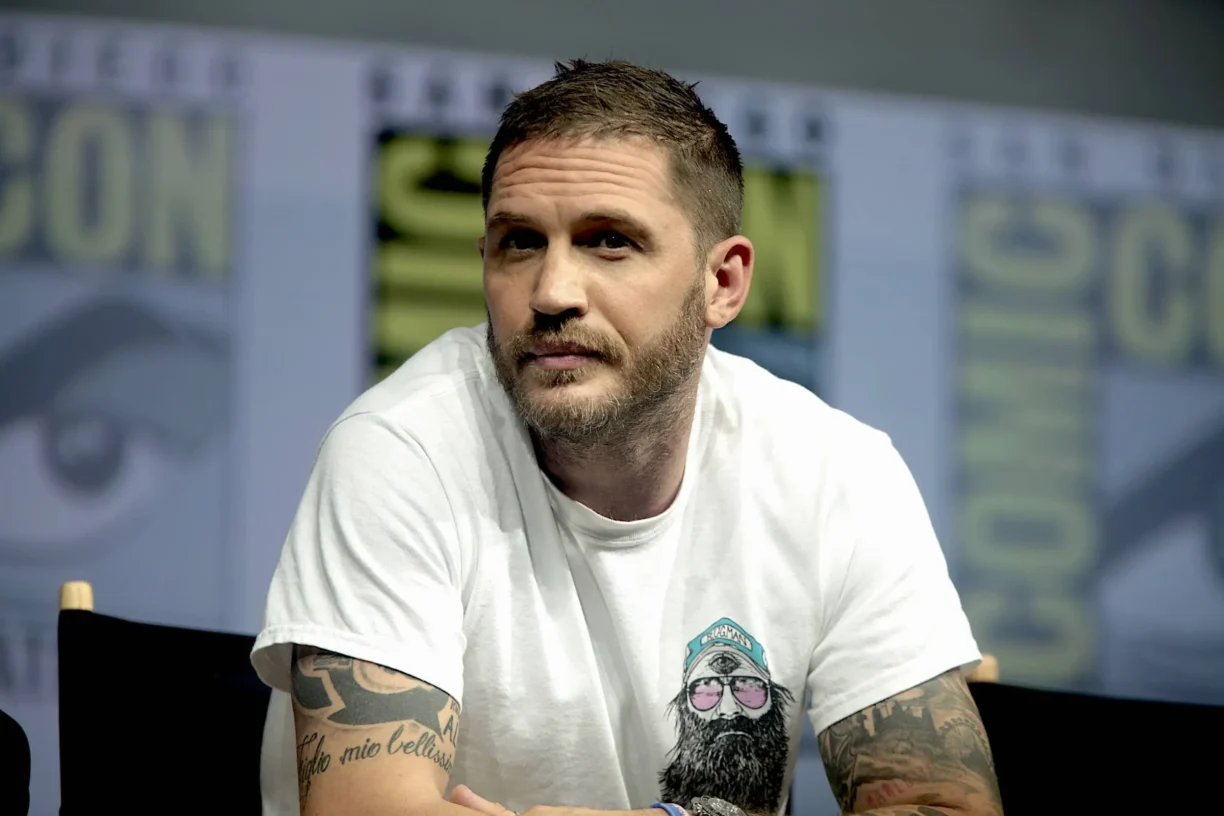
Caught by a photographer, not curated by a brand. This is the body in between roles.
And the body doesn’t lie.
A candid beach photograph published by the Daily Mail showed exactly that—no lighting, no preparation, no narrative. Just a moment captured as it was.
And in that unfiltered moment, he doesn’t look like a man built for performance. He looks like a man carrying the after-effects of it.
At 48, Hardy has spoken openly about the cost of staying “action-ready” for decades:
- Two knee surgeries.
- A herniated disc.
- Sciatica.
- Plantar fasciitis.
- A torn tendon in the hip.
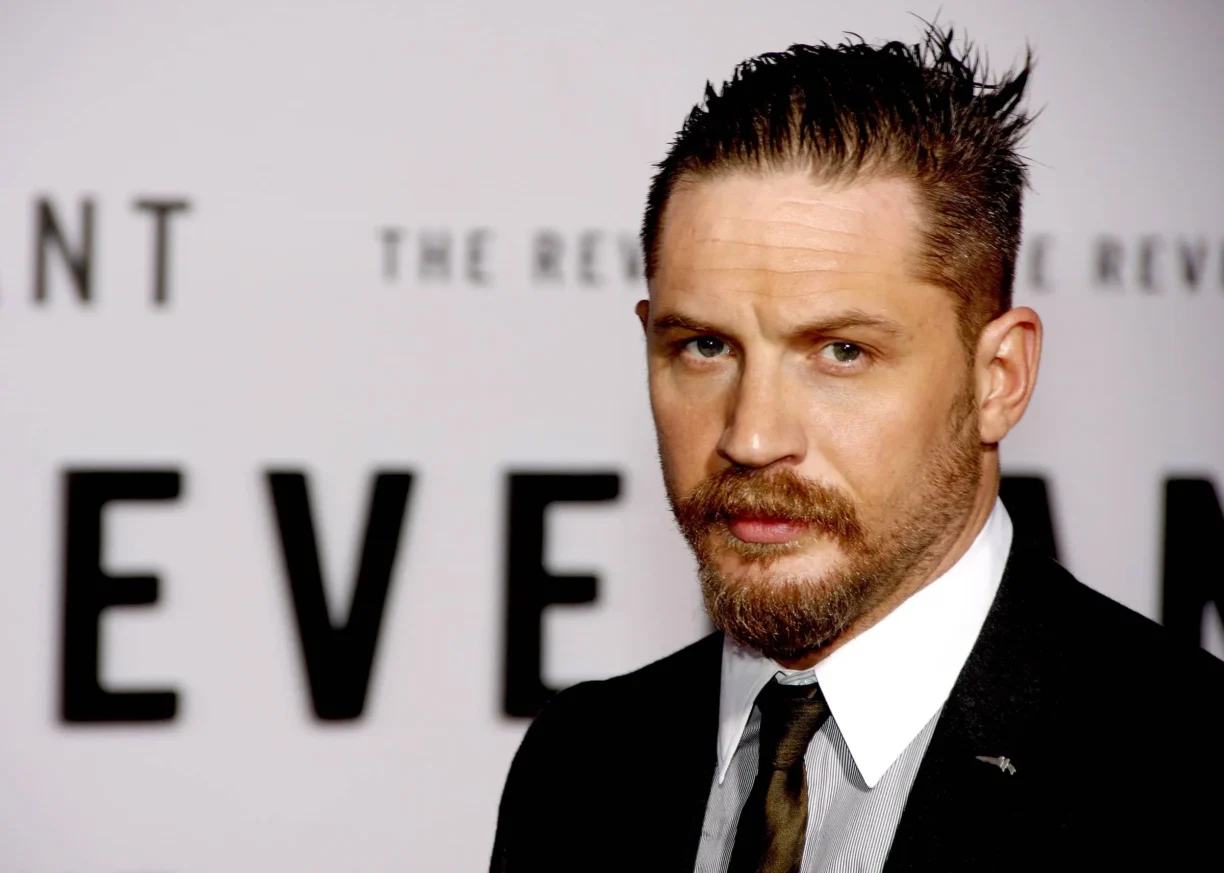
His words are blunt: “It’s all falling to bits now… and it’s not going to get better.”
This isn’t a criticism of him. It’s a reflection of the system.
Because what men are shown—and what they chase—are two very different things.
The image that sells is familiar: low body fat, sharp definition, explosive power. The reality that follows is less visible: joint wear, chronic pain, structural breakdown.
And when the body starts to push back? The instinct isn’t to question the method. It’s to double down on it.
To look for solutions that allow the same approach to continue—recovery protocols, injections, experimental treatments.
That’s the illusion. Not that transformation is possible. But that it comes without consequence. The physique you see in films is temporary. Engineered for a moment. Maintained under pressure. Then released.
What remains is the body that carried the cost. And this is where the conversation changes. Because most men aren’t actors. They don’t have a team, a timeline, or a reset between roles. But they are still chasing the same image.
Here’s what the fitness industry doesn’t tell you. It’s not just men chasing this image.
Women are shown the same screen bodies. The same sharp lines. The same fight-ready physiques. Desire is shaped by what is presented, not what is sustainable.
So the man in the mirror isn’t just failing a standard he set for himself. He’s measuring himself against a version of masculinity that no one can actually live in—and neither is she. I know because I’ve felt it.
My girlfriend loves Tom Hardy’s on-screen image. Many women do. And when that’s the only version you see—the curated, lit, staged version—it’s hard not to feel the weight of it.
You shouldn’t feel threatened. You know it’s an illusion. But you do. Because it’s human nature.
You want that look. That desire. That gaze focused on you. Not because you need validation, but because you want to feel chosen. Seen. Wanted. Not just loved—but desired.
And when the image on screen is what she responds to, the quiet question creeps in:
Am I just okay?
That’s not vanity. That’s a quiet, daily erosion.
Here’s what you won’t see.
The next time Hardy appears in public, it will be for one of two reasons:
To promote a new role, or to sell a before-and-after body product.
Either way, the image will be curated. The lighting will be controlled. The narrative will be reset. The body in between roles will disappear from view. And the illusion will continue. Because that’s how the industry works.
Not just Hollywood—the fitness industry, the supplement industry, the entire machinery that profits from men believing they should look like someone who has resources they don’t.
And profits from women believing that’s what desire should look like.
The question isn’t: Can you build that body? The question is: What happens when you try to live in it?
Extremes always leave a mark. Not immediately. But over time.
And eventually, the body reflects the truth. Not the photoshoot. Not the film. The truth.
The goal isn’t to look like a role. It’s to build a body that doesn’t need one. And to build a desire that isn’t shaped by a screen.
Because the man she comes home to—the one who shows up, listens, moves without a limp, who can still get off the floor—that man is not just okay. That man is the body that lasts. And the body doesn’t lie.