Shura Links brings championship golf, cooling sea breezes and direct European flights to Saudi Arabia’s Red Sea summer escape.
Shura Links is making an unusually persuasive argument for summer golf in the Middle East: stay outside, keep the clubs in the bag rather than the cupboard, and trust the Red Sea breeze to do the work usually assigned to industrial air-conditioning.
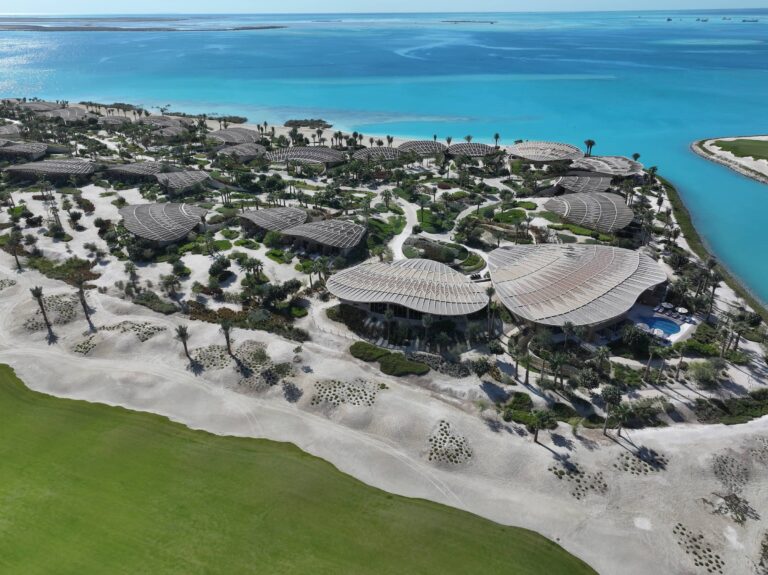
Set on Shura Island in Saudi Arabia’s Red Sea destination, the 18-hole course pairs coastal golf with resort seclusion and a growing network of direct flights from Europe.
A Red Sea course built around the breeze
The Gulf summer has never lacked confidence. Mercy can be harder to find.
That is why Shura Links’ most important design feature may not be visible on a scorecard. Its low-lying island setting is exposed to a steady coastal airflow, with the destination citing typical summer breezes of 9 to 16mph.
Those conditions are said to soften the heat and make outdoor play more comfortable than in cities where humidity hangs over the fairways like an unpaid bill.
No breeze can repeal summer, of course. Golfers will still need sensible tee times, hydration and an honest relationship with their own tolerance for heat. Yet the difference between stagnant air and moving air is substantial, particularly over four hours.
Shura Links is betting that geography can turn a season usually treated as a problem into part of the attraction.
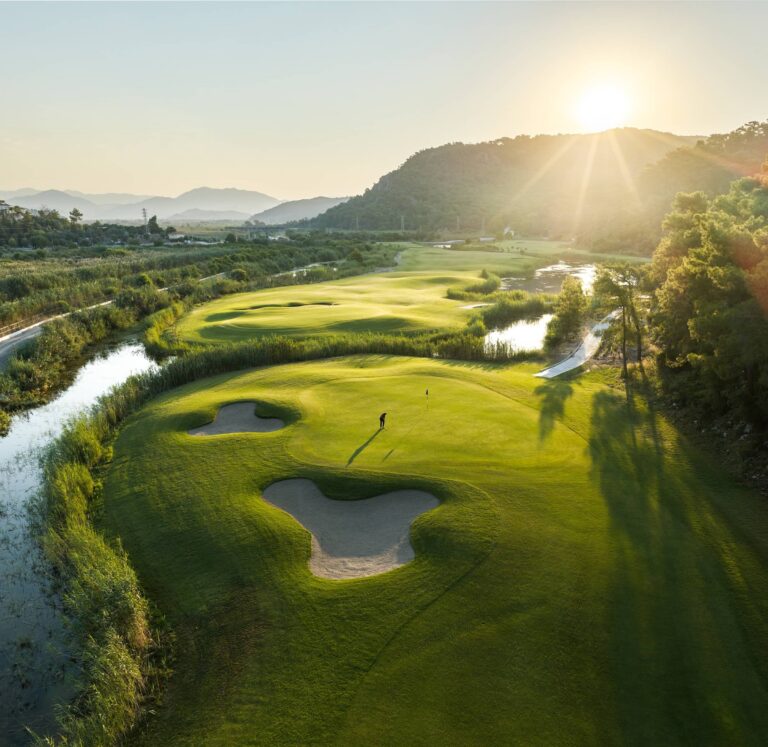
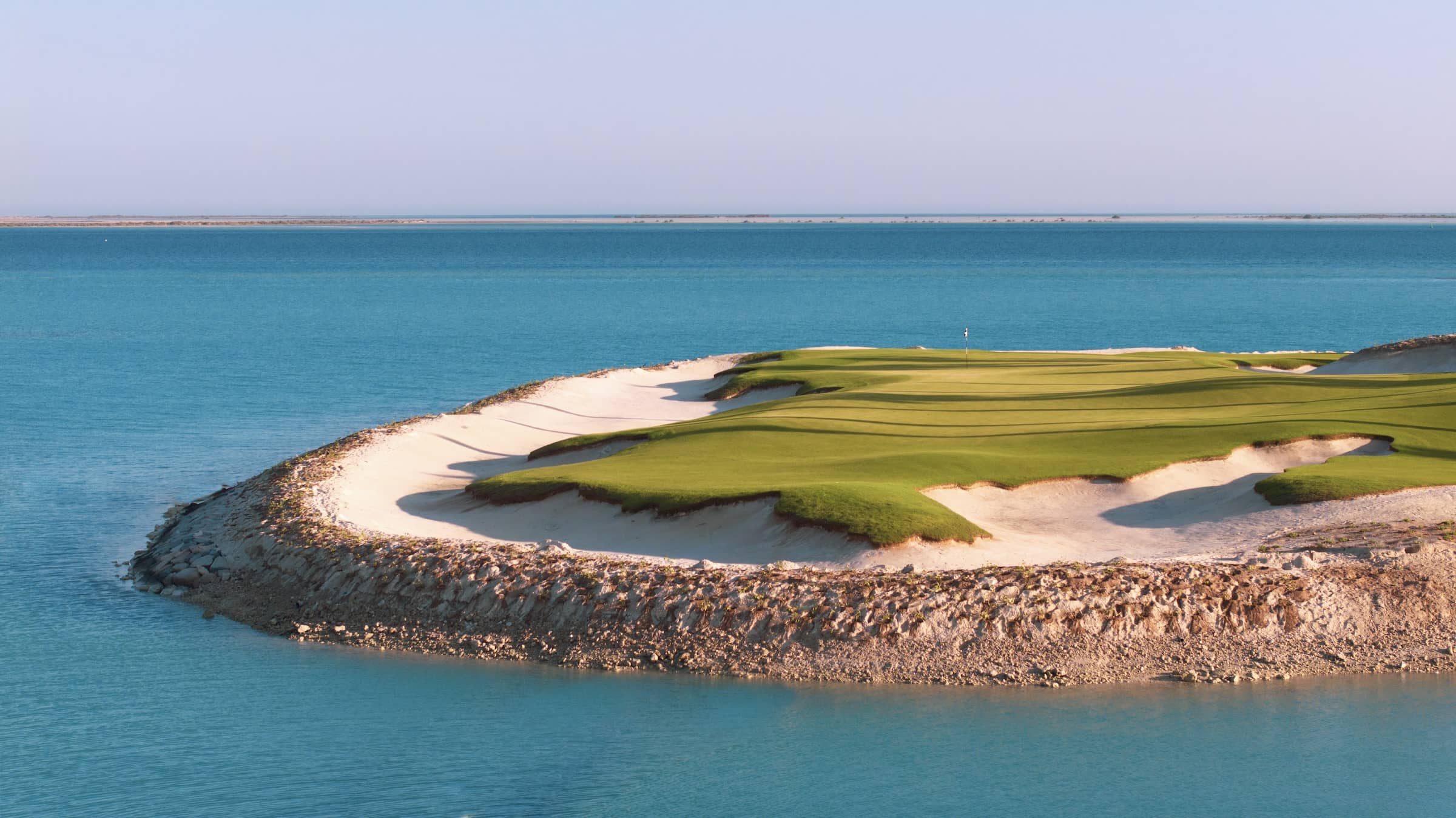
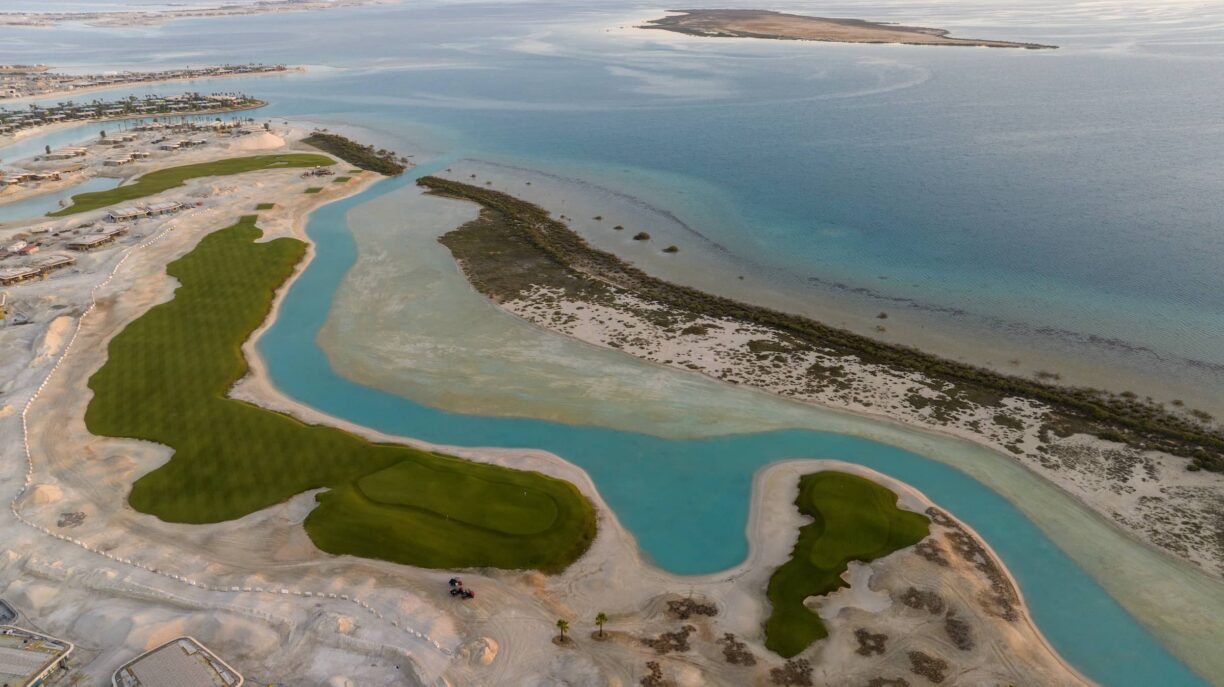
The course itself is a par 72 designed by Brian Curley, whose routing makes use of the island contours and places several holes beside the turquoise shoreline. The visual promise is obvious: broad coastal views, water close enough to influence judgement, and a landscape that does not need ornamental theatrics to announce where you are.
Curley’s brief appears to have been balance rather than brutality. The layout is described as strategic but playable across ability levels, a sensible approach for a resort course likely to host everyone from committed travelling golfers to guests whose competitive instincts become less reliable after breakfast.
Why the summer proposition is different
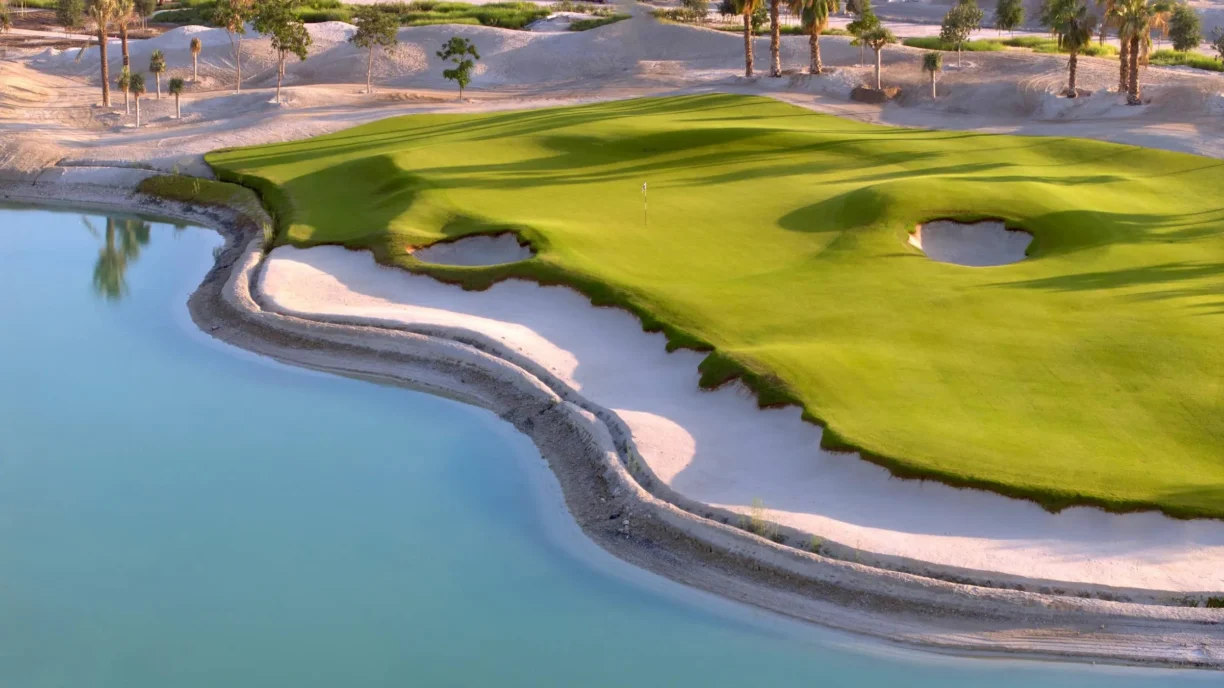
Most Gulf golf breaks are built around cities, championship-name courses and carefully managed schedules. Shura Links offers a different rhythm. It is an island resort first and a golf base at its centre, with the round forming part of a broader day rather than consuming it.
That distinction matters. A morning tee time can lead into an afternoon on the water, with diving, snorkelling and yachting among the activities being promoted around the island. Summer sea-surface temperatures are reported at about 30C, which removes at least one traditional excuse for delaying entry.
The combination gives Shura Links a closer kinship with an Indian Ocean resort than a conventional urban Gulf golf trip.
Golf destinations occasionally forget that travelling companions may not share an emotional attachment to a 6.30 am tee time. Here, a serious course sits alongside water-based activities and high-end hospitality.
The course architecture has to earn the scenery
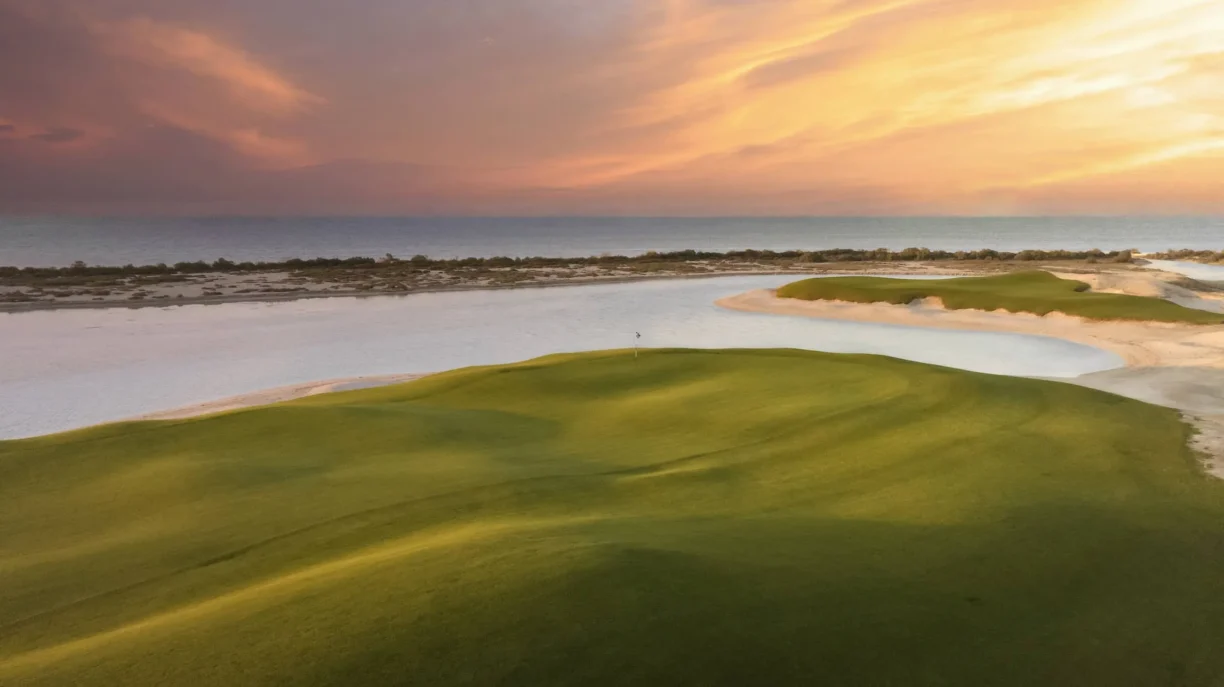
Coastal golf often arrives with a ready-made alibi. If the routing is ordinary, the view can be relied upon to distract from it. Shura Links will need to resist that temptation.
The available details suggest a course shaped around strategic choices rather than relentless punishment. Contouring, angles and proximity to the shoreline should give players decisions to make without demanding that every hole behave like a final-round examination.
That is the correct tone for a destination course: memorable enough to justify the journey, forgiving enough to prevent the journey home becoming a period of reflection.
The true measure will be how the design plays in different wind strengths. A 9mph breeze can add texture; 16mph can alter club selection and ball flight. On an exposed island, generous holes may become exacting once the Red Sea starts contributing to the architecture.
“Shura Links sets a completely new benchmark for golf in the region,” said Jon Brook, General Manager of Shura Links, “It’s more than just a course; it is a place to connect and experience the raw, natural beauty of the Red Sea. With improved international connectivity making it easier than ever to visit, guests can enjoy an outdoor summer escape that is highly playable, highly scenic and entirely sustainable.”
The last claim is the one that deserves the closest scrutiny. Golf developments in arid environments are rightly judged on water use, turf strategy, energy demand, construction impact and transport emissions, not simply on the elegance of their language.
No supporting environmental data was included in the supplied material, so the sustainability case will ultimately depend on evidence beyond the clubhouse brochure.
Better air access changes the calculation
Remote luxury is charming until the transfer begins to resemble an expedition. Shura Links’ commercial prospects therefore depend heavily on Red Sea International Airport and the ease with which golfers can reach the island.
The latest route expansion involves BeOnd services linking the destination with London, Paris, Munich, Moscow and Zurich, adding to existing connections from Milan and Malé. The network is described as operating more than 30 weekly services, with further regional access available through Doha and Dubai.
For European golfers, direct flights could materially shorten the gap between curiosity and booking. London, Paris, Munich and Zurich are established outbound travel markets with large pools of golfers accustomed to flying south for winter sun.
Shura Links is asking them to consider a different proposition: not an escape from cold weather, but an escape from the usual assumptions about Gulf heat.
Doha and Dubai also provide practical gateways for Gulf residents considering a long weekend. Better connectivity gives Shura Links a chance to compete on convenience as well as novelty.
Eleven hotels, one unusually ambitious island
The hospitality scale is substantial. Shura Links is flanked by 11 high-end hotel properties, including Four Seasons Resort, SLS and The Red Sea EDITION, while the clubhouse has been designed by Foster + Partners.
That roster places the course within a carefully constructed luxury ecosystem. Guests are not being asked merely to play 18 holes; they are being sold a complete island stay, with architecture, dining, beaches and water activities carrying as much weight as the golf.
The risk with developments of this scale is polish without personality. Luxury hotels are very good at producing immaculate rooms and astonishingly discreet fruit bowls. The harder task is creating a sense of place that cannot be replicated elsewhere.
Shura Island has an obvious answer in the Red Sea itself. The coastline, marine environment and open horizons give the destination an identity that no amount of imported design language could manufacture. The strongest version of the experience will let those natural assets lead, rather than treating them as scenery beyond the infinity pool.
Is Shura Links a credible summer golf escape?
On paper, yes — with sensible qualifications.
The island microclimate offers a credible point of difference, the Brian Curley course has the setting to become memorable, and the expanded flight network removes some of the friction associated with a remote resort. The surrounding hotels broaden the appeal beyond golf, which is essential for a destination of this ambition.
The unanswered questions are practical rather than cosmetic. How comfortable is the course at different times of day in July and August? How firm and interesting will the playing surfaces remain through summer? How convincingly will the destination substantiate its environmental claims? Those answers will determine whether Shura Links becomes a genuine seasonal alternative or simply a beautiful course with a persuasive breeze.
Still, the idea has merit. Golf tourism in the region has often asked visitors to work around the climate. Shura Links is attempting something more elegant: use the climate, the island and the sea as part of the design.
The Red Sea has supplied the view. The breeze may prove to be the clever bit.
For more information, tee time bookings, or resort packages, visit shuralinks.com