Shura Island’s Red Sea setting blends winter sun, coastal golf, reefs, mangroves and desert trails into one restorative travel escape.
Shura Island is shaping a different kind of cold-season getaway, where coastal golf, clear water, desert trails and serious hospitality sit within one Red Sea destination.
By the time European winter has finished with your mood, your joints and your willingness to leave the house after 4pm, the idea of travel stops being a luxury and starts to look like a small act of self-preservation.
That is the space Shura Island is moving into. Set within The Red Sea destination, Shura Links is not simply another golf course with a hotel nearby. It is part of a wider island escape built around winter sun, open-air movement, coastal scenery and the sort of hospitality that suggests nobody is expecting you to wrestle with a damp umbrella at breakfast.
For Sustain Health readers, the interest is not only the golf. It is the shape of the trip: fresh air, warmer days, sea views, water-based adventure, desert trails and enough room to feel that winter has loosened its grip a little.
A warmer rhythm for winter travel
Winter travel can easily become passive. Fly somewhere bright, lie still for a week, return home faintly more rested but otherwise unchanged. Shura Island appears to be aiming for something more active, without tipping into the sort of “wellness” itinerary that needs a spreadsheet and a tolerance for compulsory sunrise breathing.
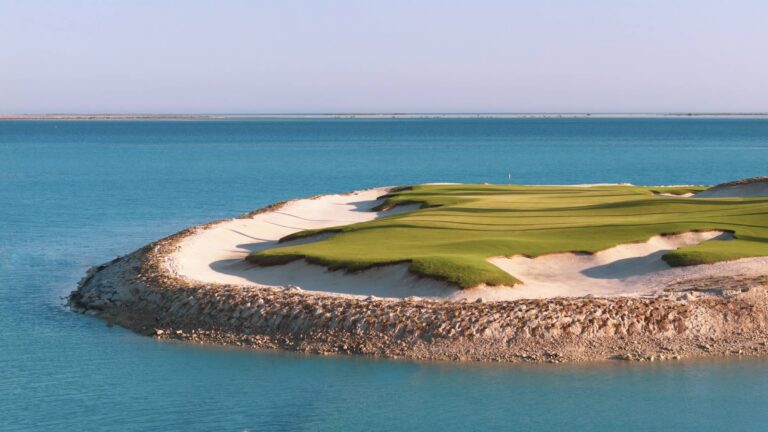
At the heart of it is Shura Links, a par-72 championship course designed by Brian Curley. Golf remains central to the destination’s identity, but the course also gives the island a useful rhythm. It pulls visitors outdoors early, sends them through coastal dunes and mangrove corridors, and makes the landscape part of the experience rather than scenery glimpsed from a sun lounger.
Thirteen of the 18 holes play directly alongside active mangrove corridors and sweeping white sand dunes. That detail matters because it gives the place its character. This is not resort sport sealed off from nature. The breeze, the light, the water and the coastline all seem to be involved.
For golfers, that means shot selection and changing conditions. For everyone else, it means the destination has been shaped around movement through a striking natural setting, not merely looking at it from a terrace.
The course is only the beginning
Shura Links has already been placed 39th in Golf World’s Top 100 X-Factor Courses in the World ranking, recognition that speaks to its visual power. Turquoise water and white sand tend to do well in that department. Still, the more interesting question for travellers is whether the setting offers enough beyond the photograph.
On the supplied evidence, it does.
The wider Red Sea destination gives visitors several ways to be active without turning the holiday into endurance sport. Through adventure operators WAMA and Galaxea, guests can dive and snorkel among barrier reefs, foil and kitesurf across turquoise lagoons, or kayak through quiet mangrove channels.
That range is useful. Some travellers want adrenaline. Others want silence, warm water and a paddle through somewhere that makes email feel like a poor life choice. Shura Island seems to leave room for both.
Inland, the emphasis shifts again. Rugged mountain trails offer guided desert hikes and gravel biking, while the night skies are positioned as part of the experience too, with stargazing away from heavy light pollution. It is a reminder that restorative travel does not have to mean doing very little. Sometimes it means doing different things in a place that lets the nervous system stand down.
Luxury with room to breathe
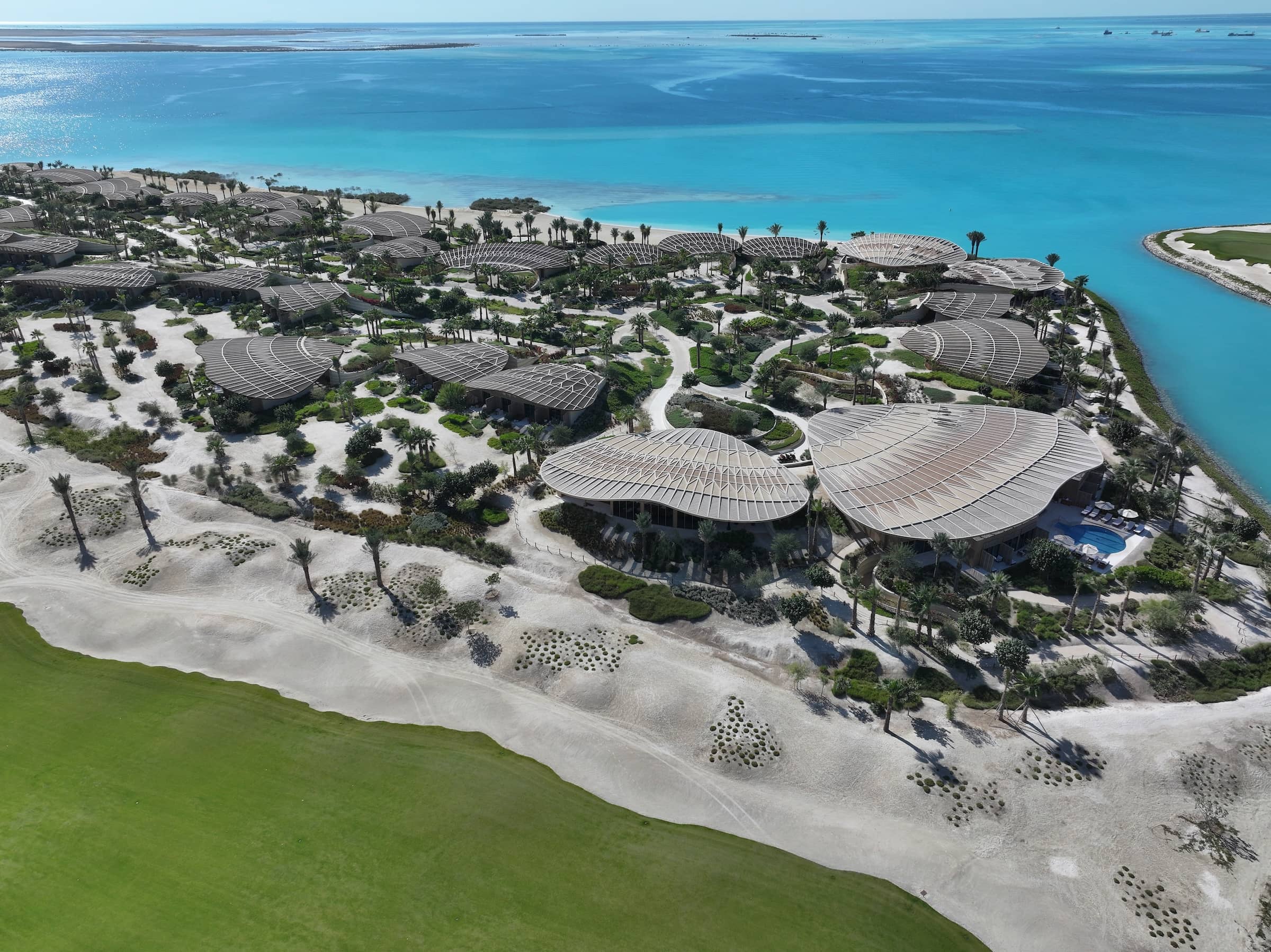
The hospitality scale is considerable. Shura Island is anchored by 11 ultra-luxury resorts, including The Red Sea EDITION, SLS The Red Sea and InterContinental the Red Sea Resort by IHG, with further properties from Four Seasons, Faena, Miraval, Rosewood and Raffles.
That list tells its own story. This is not backpack-and-hope travel. It is a polished, high-end island proposition aimed at guests who want comfort, choice and a properly managed stay. For some, that will be the point. For others, it may sound rather grand. Possibly because it is.
The important editorial question is whether the luxury overwhelms the landscape or supports access to it. The strongest version of this destination is the one where the hotels make the outdoor experiences easier, not where the outdoors becomes a decorative backdrop to imported resort language.
The wider Red Sea footprint reinforces that sense of variety. Outer island sanctuaries include The St. Regis Red Sea Resort, Nujuma, a Ritz-Carlton Reserve, and Shebara, while desert-based escapes such as Six Senses Southern Dunes and Desert Rock extend the proposition inland.
For travellers who like to build a trip around contrast, that matters. Water one day, dunes the next. A golf course in the morning, a reef or mountain trail after lunch. The appeal is less about ticking off activities and more about changing pace without changing destination entirely.
Why it may appeal to active travellers
Shura Island’s clearest travel strength is that it does not ask visitors to choose between comfort and movement. That is a growing sweet spot for health-conscious travellers: people who want proper rest, but also know that a good holiday usually involves using the body rather than abandoning it completely.
Golf provides one kind of low-impact structure. Kayaking offers another. Hiking, snorkelling, biking and water sports expand the range. None of this needs to be sold as a miracle cure for winter tiredness, because it is not. But there is an obvious human appeal in swapping short days and indoor habits for warmth, light and activities that make movement feel natural again.
Access helps too. Red Sea International Airport is continuing to expand European connectivity through premium airline partner BeOnd, with links via London, Paris, Munich, Zurich and Milan, alongside routes from Malé. For travellers considering a winter escape from Europe, direct connectivity is often the difference between “interesting idea” and “actually possible”.
A Med-to-Red shift
Jon Brook, General Manager of Shura Links, describes the idea as a seasonal pivot.
“Med to Red is about changing the rhythm of the golf calendar,” said Jon Brook, General Manager of Shura Links. “When northern courses go dormant, Shura Island comes alive. You have Brian Curley’s routing weaving through coastal dunes in the morning, pristine waters right off the edge of the fairway, and world-class hospitality waiting at the 19th hole. You get absolute championship quality without the cold-weather compromises.”
The line is golf-led, naturally, but the broader travel point is just as clear. The Mediterranean has long been the familiar winter-sun answer for European travellers. The Red Sea is now presenting a more expansive alternative: warmer-season energy during Europe’s colder months, a landscape that shifts between coast and desert, and an itinerary that can be as active or as indulgent as the guest wants it to be.
Shura Island will not be for everyone. Ultra-luxury never is. But for travellers who want winter sun with movement built in, Shura Links gives The Red Sea destination a clear centre of gravity.
Not every restorative escape needs to involve retreating from the world. Some simply need better weather, bigger skies and a reason to get outside.