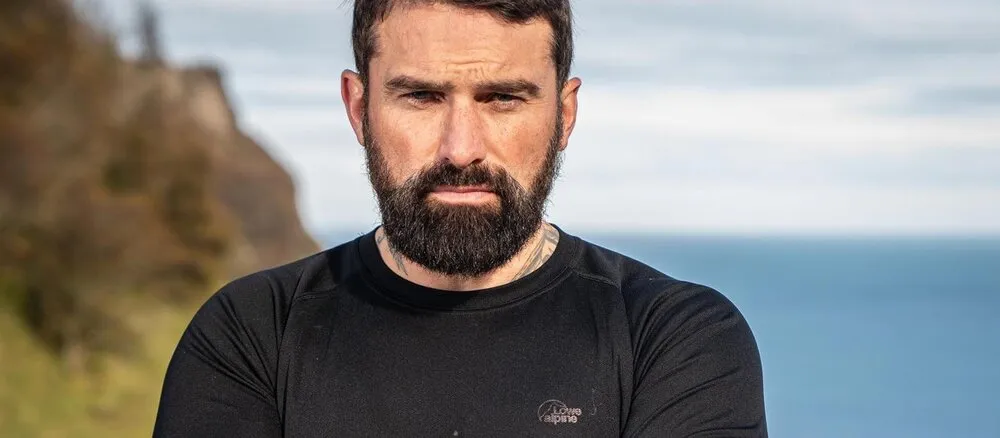
Ant Middleton reflects on SAS: Who Dares Wins series five, Scotland’s brutal terrain, water tasks, weapons training and recruits.
The final episode aired, the last whistles faded, and the latest batch of hopefuls had learned the hard way that television doesn’t make hardship any warmer. With the current run of SAS: Who Dares Wins wrapped on Channel 4, Ant Middleton has been looking back on a series that didn’t just test stamina — it interrogated the human spirit like it owed someone money.
This condensed version of SAS selection always has a familiar rhythm: confidence arrives early, excuses show up right on time, and reality lands like a rucksack to the ribs. But this time, the show leaned heavily into Scotland’s signature blend of biting weather and unforgiving terrain — a place that doesn’t care about your personal brand, your gym numbers, or how motivational your Instagram captions might be.
The recruits who made it to the closing stages faced one of the most dangerous underwater evolutions the programme has ever featured: “drownproofing”, a technique used in Navy Seals Special Forces training. The task is exactly what it sounds like — a controlled simulation of drowning designed to see who can obey instructions when every primitive alarm in the body is screaming to do the opposite.
And Scotland, being Scotland, didn’t politely contribute to the atmosphere. It went full Scotland.
Scotland, home turf — and no mercy
For Middleton, the location wasn’t exotic. It was personal — familiar ground, close enough to feel like a return rather than a departure.
“It’s in our backyard so it was like a homecoming. We know the terrain well so we could fully use it to our advantage. Water-borne exercises played a big part in this series making it different to others.”
Homecoming is a cosy word. It usually involves tea and people you tolerate because you share DNA. Here, it meant knowing exactly which hills will break your legs, which winds will steal your breath, and which lochs are cold enough to make your bones file a complaint.
A place he knows — because it already hurt him once
Scotland isn’t new to Middleton’s own military story, either, and he doesn’t dress it up like a romantic postcard.
“I did my escape and evasion in Scotland and multiple mountain training packages… Brutal!”
That final word does a lot of work. It’s the sort of understatement you’d expect from someone describing a car crash as “a bit of a delay”.
Back to the birthplace of the SAS founder
The show’s return to Scotland also carries a neat historical edge: this is the birthplace of David Stirling, the founder of the SAS. A fact that turns the landscape into more than scenery — it becomes a kind of origin story, with weather.
“It was great to be on home turf. We know the place like the back of our hand and it was really special to have the authenticity.”
Authenticity is the programme’s currency. You can fake a lot on reality TV. You can’t fake hypothermia, panic, or what happens to decision-making when your fingers stop feeling like your fingers.
Did recruits expect it to be easier?
Some recruits may have looked at the UK setting and assumed a softer ride — as if “home soil” comes with a discount. Middleton’s response is a reminder that the point is not the postcode; it’s the pressure.
“It doesn’t matter where it is… we will break the recruits and if we don’t I guarantee it will be the hardest 11 days of their life.”
There it is: a mission statement with teeth. The location is just the stage. The real enemy is what happens in your head when your body runs out of comfort.
Winter misery: was it hard on the staff too?
If you’re waiting for a moment of sympathy about filming in harsh conditions, you’re shopping in the wrong aisle.
“No.”
One syllable. No garnish. No violins.
Drownproofing: the freezing point of resolve
“Drownproofing” is the kind of task that exposes the difference between bravery and biology. Your body wants air. Your brain wants control. The technique tests whether you can follow instruction while every fibre insists you’re about to die.
And in freezing Scottish waters, it becomes the ultimate audit of composure: can you stay calm enough to think when panic is offering you a shortcut?
Add water, multiply suffering
Middleton’s view on water is simple: it doesn’t just make things harder — it turns difficulty into a different species.
“Add water to any task and it will amplify it tenfold! Scotland is full of the stuff so for those who don’t like being cold and wet… they were screwed.”
That’s not a training note. That’s an obituary for comfort.
Weapons training: a reality check
This selection also brought weapons training into the mix — and if anyone expected polished performances, Middleton has a dose of reality ready.
“The recruits were useless with the weapons, exactly how you would expect someone to be if they are handling a weapon for the first time.”
It’s blunt, but it’s also fair. People arrive with cinematic ideas of competence. Then they meet the truth: unfamiliar kit, stress, cold hands, instructions delivered without bedtime manners, and the realisation that confidence is not the same thing as capability.
The recruits — respect, even when they crack
Despite the programme’s reputation for confrontation, Middleton doesn’t pretend it’s easy to even show up.
“I take my hat off to anyone who comes on the course.”
That line matters because it’s the one most viewers forget. It takes a particular kind of courage to volunteer to be tested on national television in conditions designed to strip you down to your worst moment.
Who surprised him — and why appearances don’t count
As for who lasts and who folds, Middleton claims he’s learned to ignore the optics. Muscles, swagger, and first impressions are unreliable. The real contest is internal.
“I’ve seen all sorts of shapes, sizes and characters pass selection so I never judge someone on their appearance. It’s all in the head.”
If the series has a thesis, that’s it. Not the cold. Not the water. Not the terrain. The head.
Is Ant Middleton as tough off-camera?
It’s the question people always ask — whether the stern on-screen persona is the full story. Middleton draws a line between his professional standard and his personal life.
“When it comes to work, I have very high standards and like things to be done without distractions! I never mix business with pleasure – it’s a recipe for disaster! I’m a relaxed, easy-going father and husband, the polar opposite to my work life persona.”
It’s a tidy contrast: the drill-sergeant discipline in one lane, and ordinary family life in the other. No mystique, no myth-making — just compartments.
Quick FAQs
What is drownproofing on SAS: Who Dares Wins?
A controlled underwater drill that simulates drowning and tests composure, obedience to instruction, and mental resilience under stress.
Why did Scotland make this series different?
The combination of winter conditions and water-heavy tasks raised the difficulty across the board.
What did Ant Middleton say about the recruits this series?
He praised anyone who attempts the course and stressed that success is mental more than physical.