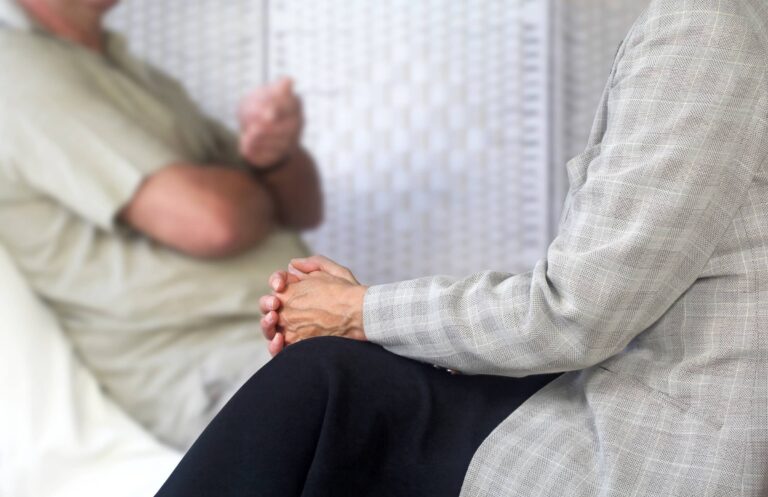
Detox can stabilise the body, but residential rehab can help people build routines, therapy support and relapse prevention after alcohol.
Alcohol detox can help someone get safely through withdrawal, but lasting recovery often needs more than physical stabilisation. Residential rehab gives sobriety structure, support and somewhere safer to begin again.
Alcohol detox is often spoken about as the great hurdle in recovery. Get through withdrawal, clear the alcohol from the body, steady the hands, sleep again, eat again, breathe again — and the job is done.
Except, of course, it rarely is.
Detox matters enormously. For someone physically dependent on alcohol, withdrawal can be medically serious, with symptoms ranging from anxiety, tremors and nausea to seizures or delirium tremens. Supervised detox gives medical professionals the chance to monitor vital signs, respond to warning signs and use appropriate medication where needed. Pasted markdown
But alcohol detox is mainly concerned with the immediate physical emergency. It does not, by itself, dismantle the habits, emotional pain, relationships, routines or social pressures that helped alcohol become a coping mechanism in the first place. That is where residential rehab after alcohol detox can become so important. Pasted markdown
Detox Can Stabilise The Body, But Recovery Has A Longer Memory
There is a dangerous neatness to the idea that once withdrawal symptoms pass, the problem has been solved. It is a tempting thought, especially for someone exhausted by drinking and desperate for a clean line between the old life and the new one.
The difficulty is that alcohol dependence rarely lives in the bloodstream alone.
It can be tied to stress, loneliness, trauma, mental health difficulties, work pressure, familiar routines and social circles built around drinking. Returning home straight after detox can mean walking back into the same kitchen, the same arguments, the same pub route, the same cupboard and the same private logic that says one drink might calm everything down. Pasted markdown
That is not a failure of willpower. It is the reality of addiction. Detox can interrupt the physical dependence, but recovery has to deal with the conditions waiting on the other side.
What Residential Rehab Adds After Detox
Residential rehab, sometimes called inpatient alcohol treatment, means staying at a specialist facility for a set period, often between 28 and 90 days. During that time, the person lives in a substance-free environment and follows a structured recovery programme. Pasted markdown
The important word there is “structured”. In early sobriety, structure is not a luxury. It can be the thing that keeps the day from collapsing back into old patterns.
A residential programme may involve addiction specialists, therapists, counsellors and medical staff working together to support both body and mind. Common elements can include Cognitive Behavioural Therapy, group therapy, one-to-one counselling, mindfulness, yoga, art therapy and relapse prevention planning. Pasted markdown
This matters because early recovery can be fragile. The body may be sober while the mind is still reaching for the old solution. Residential rehab creates physical distance from drinking environments and everyday stressors, while also giving people access to professional support when cravings, fear, shame or emotional overwhelm arrive. Pasted markdown
Structure Helps Replace The Disorder Alcohol Leaves Behind
Addiction often thrives in disorder: erratic sleep, missed meals, late nights, emotional turbulence and impulsive decisions. Residential rehab works in the opposite direction.
Days are planned. Therapy, group work, rest, movement and reflection each have their place. That may sound almost too simple, but predictable rhythm can be powerful for someone who has been living around alcohol. Pasted markdown
Routine reduces empty time. It creates accountability. It helps rebuild ordinary habits that drinking may have crowded out. Most importantly, it gives sobriety somewhere to live beyond the sheer act of resisting a craving.
For someone who has just come through detox, that can be grounding. Recovery stops being only a white-knuckle exercise and starts becoming a daily practice.
Therapy Looks Beneath The Drinking
Stopping drinking is one achievement. Understanding why drinking became necessary is another.
Residential rehab gives people time and support to explore what may be sitting underneath alcohol addiction. That might include trauma, anxiety, depression, grief, low self-worth, chronic stress or long-standing behavioural patterns. Pasted markdown
For people with co-occurring mental health difficulties, dual diagnosis treatment can be particularly important. Treating alcohol addiction while ignoring depression, anxiety or PTSD risks leaving a major part of the problem untouched. Pasted markdown
Individual counselling and group therapy can help residents recognise destructive thought patterns, process difficult experiences and practise healthier coping strategies. It is not quick work, and it is not always comfortable. But recovery that only removes alcohol without addressing why it became so central may leave a person dangerously underprepared for ordinary life.
Relapse Prevention Needs More Than Good Intentions
Hope has its place. A plan is more useful.
A strong inpatient alcohol treatment programme should include relapse prevention from the start. That means identifying high-risk situations, emotional triggers and practical danger zones before someone returns home. Residents may learn how to manage cravings, handle social pressure, set boundaries, reduce stress and ask for help before things spiral. Pasted markdown
The aim is not to pretend life will become smooth. It will not. Work pressure, family conflict, loneliness, difficult emotions and old invitations may all return. The difference is that a person leaves treatment with tools, contacts and strategies rather than only the instruction to “stay strong”.
Before leaving residential rehab, a person should have a personalised relapse prevention plan. That may include counselling, support groups, safe contacts, emergency strategies and lifestyle changes. Pasted markdown
When Residential Rehab May Be The Better Next Step
Outpatient treatment can be valuable. It allows someone to live at home while attending therapy, recovery meetings or support groups during the week. For people with milder alcohol problems, strong support at home and responsibilities they cannot step away from, it may be the right fit. Pasted markdown
Residential rehab is more intensive. It asks someone to step back from daily life for a period and live inside the recovery process. That is a bigger commitment, but it also brings a higher level of support.
It may be worth considering after alcohol detox where there has been repeated relapse, moderate to severe dependence, an unstable home environment, heavy drinking in the household, limited support or co-occurring mental health difficulties such as depression, anxiety, PTSD or unresolved trauma. Pasted markdown
The right choice depends on the individual: their drinking history, health, home life, support network and the severity of dependence. It is not about proving strength. It is about matching the level of care to the size of the problem.
Recovery Should Not End At The Door
Leaving residential rehab is not the end of recovery. In many ways, it is the point at which recovery meets real weather.
Aftercare may include weekly counselling, Alcoholics Anonymous or SMART Recovery meetings, sober living accommodation, alumni groups or ongoing peer support. The strongest programmes begin aftercare planning before discharge, because long-term sobriety depends on continuity, accountability and connection. Pasted markdown
Alcohol detox can be life-saving. It gives the body a chance to stabilise and marks the beginning of change. But sobriety is rarely built by detox alone. Residential rehab gives people space to understand themselves, rebuild routines, practise new coping strategies and prepare for life outside treatment. Pasted markdown
Stopping drinking removes alcohol from the centre of the day. Recovery is the slower, braver work of building a life that no longer has to orbit around it.