How to rebuild your wardrobe after weight loss with confidence, better fit and a sharper sense of personal style.
Rediscovering your personal style after weight loss can feel oddly thrilling and mildly baffling, like being handed the keys to your own wardrobe and discovering half the furniture has moved. A health journey may begin with food, fitness, sleep, discipline and all the other noble pursuits that make a biscuit cupboard tremble, but eventually it reaches the mirror. And that is where clothing starts to matter.
Not because the label inside your jeans has suddenly become a trophy. It has not. Size labels are wildly unreliable things, apparently designed by people who have never met the human body in person. The real shift is subtler and more important: the clothes that once carried you through daily life may no longer sit properly, while pieces you previously ignored might now make perfect sense.
That can be exciting. It can also be unsettling. A changing body does not automatically come with a fully updated sense of self. Sometimes the wardrobe catches up before the mind does.
Why Weight Loss Changes More Than Your Clothes Size
Weight loss is often discussed in numbers: pounds, kilos, inches, dress sizes, waist measurements. Useful, perhaps, but hardly the whole story. The less tidy truth is that a changing shape can alter how you move, how you stand, how clothes hang, and how you feel when you walk into a room.
A shirt that once felt reassuringly loose may now look shapeless. Trousers that used to sit neatly may start behaving like they have lost the will to live. Jackets can swamp the shoulders. Dresses can pull in the wrong place or hang in no place at all.
This is not a crisis. It is a cue.
Your wardrobe should not be a museum to the person you were. Nor should it become a panic-buying exercise conducted under fluorescent changing-room lights, which are among the great enemies of civilisation. It should evolve with the person you are becoming.
Start With Fit, Not The Number On The Label
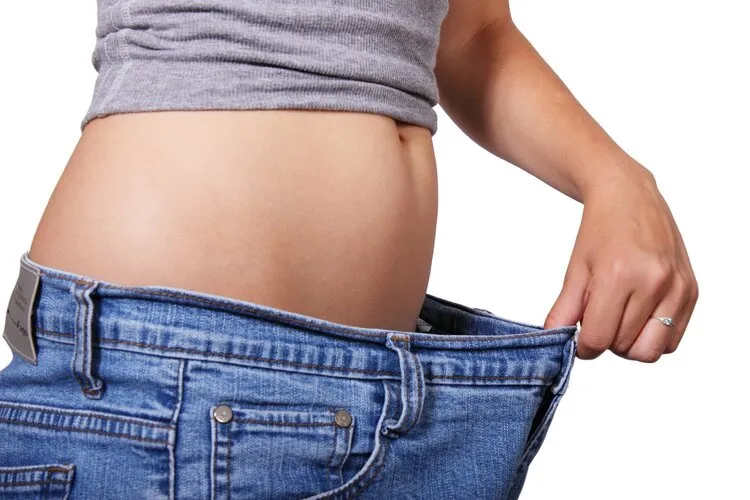
The smartest wardrobe reset begins with a simple principle: fit beats size every time.
Different brands cut clothes differently, and sizing can vary so dramatically that one label may make you feel victorious while another appears to have been assembled by a committee of sadists. Ignore the number. Look at the garment.
Does it sit cleanly on the shoulders? Does it skim rather than cling? Can you move, sit, breathe and reach for a coffee without feeling as though the seams are filing a formal complaint?
That is where confidence begins. Not in chasing a smaller label, but in choosing clothes that work with your current shape.
Well-fitting jeans, good knitwear, a crisp shirt, a smart jacket and reliable everyday shoes will usually do more for personal style than a rail full of impulse buys. The aim is not to build a new identity overnight. It is to create a wardrobe that lets you get dressed without needing a committee meeting.
Reassess What You Actually Like Wearing
After weight loss, there is a temptation to replace old favourites with smaller versions of the same thing. Sometimes that works. Often it does not.
Your tastes may have shifted along with your lifestyle. You might prefer clean, tailored pieces over loose casualwear, or you may suit different colours than before, finding that shades you once avoided now lift your complexion and give the whole outfit more purpose.
A useful place to start is with the outfits that already make you feel good. Lay them out. Look for patterns. Are you choosing structured jackets? Darker tones? Softer knitwear? Wider-leg trousers? Dresses with shape? Simple, unfussy pieces?
This is not vanity. It is evidence-gathering.
Personal style is not about dressing like someone else’s Pinterest board. It is about noticing what makes you feel most like yourself and building from there.
Build Around Versatile Wardrobe Anchors
A strong post-weight-loss wardrobe should work hard without looking as though it is trying to get elected.
Versatile essentials are the backbone. Good jeans, tailored trousers, soft layers, a blazer, simple tops and a few smarter options can take you through work, weekends, dinners, travel and the peculiar social occasions where nobody quite knows the dress code.
For smarter moments, black dresses remain a wonderfully dependable option. They can be worn with flats, heels, statement jewellery, a blazer or very little fuss at all. Their great gift is adaptability. They do not shout. They simply know what they are doing.
Before buying anything new, ask whether it works with at least three things you already own. If the answer is no, proceed carefully. You are building a wardrobe, not collecting stranded garments that only function under laboratory conditions.
Learn The Cuts That Make You Feel Best
The right cut can do more for confidence than any trend.
Structured garments can create shape and definition, particularly around the shoulders, waist and hips. Fabrics with a little stretch can make everyday movement more comfortable, especially when your body is still changing or your confidence is still catching up.
Proportion matters too. A fitted top can balance wider-leg trousers. A longer jacket can sharpen a slimmer silhouette. A tucked shirt can add structure. A soft knit can stop tailoring from looking too severe.
The best outfits often have a quiet logic to them. Nothing screams. Nothing fights. Everything gets along, which is more than can be said for most group chats.
Give Your Self-Image Time To Catch Up
Here is the bit nobody tells you loudly enough: even when the clothes fit, your brain may need a while to believe them.
Weight loss can create a strange lag between body and self-image. You may still reach for old shapes, old sizes, old camouflage. You may feel exposed in clothes that actually suit you. That does not mean you are getting it wrong. It means you are adjusting.
Confidence rarely arrives with a brass band. More often, it appears gradually: one outfit that feels right, one compliment you actually accept, one morning when getting dressed does not feel like a negotiation.
Choose clothes that support your real life now. Not an imaginary perfect version of it. Not a fantasy lifestyle involving linen, yachts and effortless cheekbones. Your actual life. Work, school runs, gym sessions, dinners, travel, errands, bad weather and the occasional need to look composed while running late.
Let Clothing Reflect The Journey, Not Define It
Clothing tells a story, whether we intend it to or not. After weight loss, your wardrobe can become a practical reminder of progress: healthier habits, improved confidence, new routines, different priorities.
But the goal is not perfection. It is alignment.
A good wardrobe should help you feel comfortable in social situations, prepared for opportunity and more comfortable in your own skin. It should not punish you, disguise you or turn every morning into a referendum on your body.
Personal style after weight loss is not about becoming someone else. It is about dressing the person who was there all along, only now with a sharper jacket, better trousers and fewer clothes quietly collapsing at the waistband.
The label matters less than the life you are dressing for. Get that right, and the mirror becomes less of a courtroom and more of a nod of recognition.