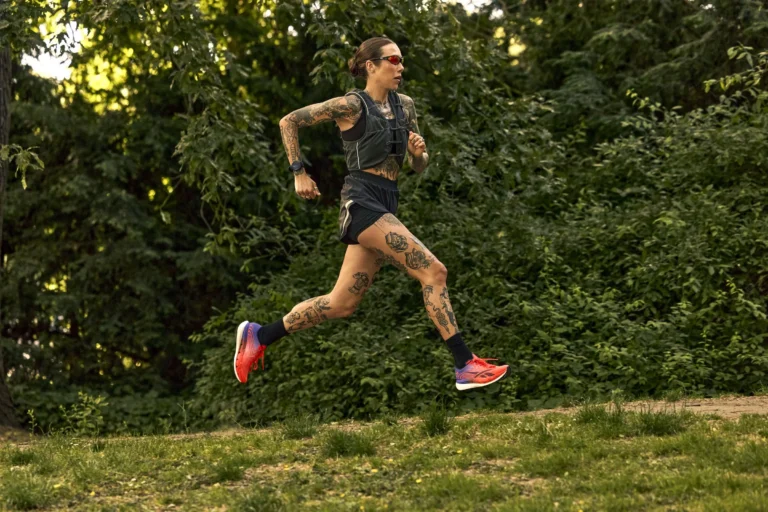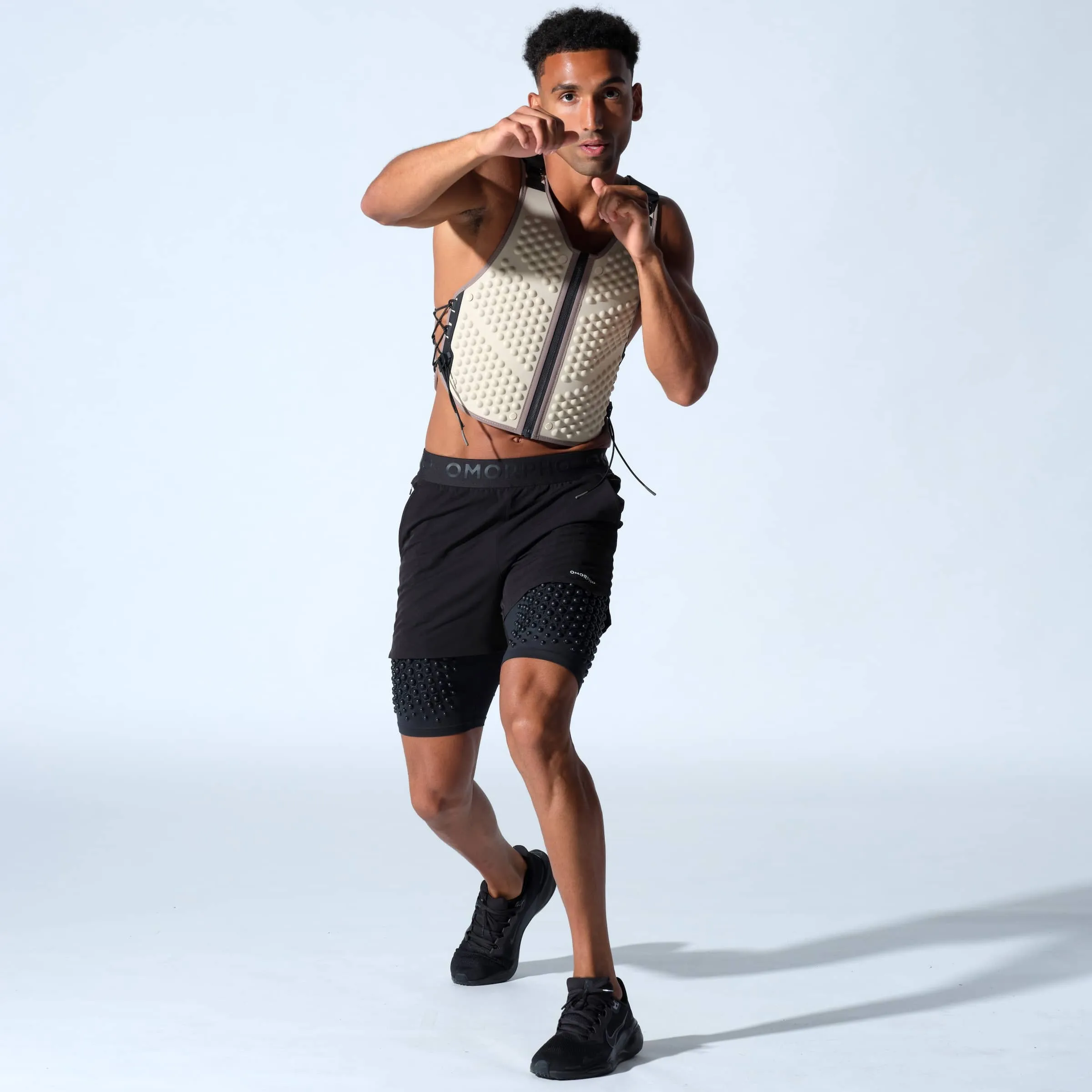
OMORPHO launches its G-Vest and weighted apparel in the UK and Europe, bringing MicroLoad training gear to everyday athletes.
OMORPHO has officially expanded into the United Kingdom and Europe, bringing its wearable resistance training gear to runners, hybrid athletes, gym regulars and anyone who enjoys making exercise just that little bit more awkward in the name of progress.
The American brand, best known for its G-Vest and MicroLoad G-Wear, arrives in Europe after building momentum in the United States. Its pitch is not complicated: add small amounts of weight across the body, keep movement natural, and turn ordinary training into something more demanding without making the wearer look as though they have wandered out of a boot camp documentary.
Wearable Resistance, But With A Bit More Thought Behind It

Weighted training is hardly new. People have been strapping heavy things to themselves in pursuit of fitness for years, sometimes wisely, sometimes in ways that suggest a chiropractor is about to buy a second home.
Where OMORPHO tries to separate itself is in the distribution. Its proprietary MicroLoad™ design places small amounts of weight across key muscle groups rather than lumping everything into one clumsy block.
The idea is to help users build strength, improve cardiovascular endurance and support bone health while maintaining natural movement patterns. In practical terms, that means kit designed for running, strength training and functional fitness without turning every stride, squat or lunge into a wrestling match with your own clothing.
The Products Coming To The UK And Europe

The European launch includes two of OMORPHO’s best-selling weighted vests: the G-Vest Icon, adjustable from 2.7kg to 9.1kg, and the G-Vest Run, adjustable from 1.4kg to 7.3kg.
Both arrive in the new Deep Sea colourway, which sounds less like sportswear and more like the name of a cocktail served by someone with linen trousers and very strong opinions about vermouth. Still, it is a welcome change from the usual “black tactical vest meets car park boot camp” aesthetic that tends to dominate weighted training gear.
Also launching across the region is OMORPHO’s G-Wear weighted apparel, powered by the same MicroLoad™ technology. The range is designed to work as an integrated performance system, allowing users to scale resistance up or down depending on their training goals.
The Former Nike Executive Behind OMORPHO
OMORPHO was founded by Stefan Olander, a former Nike executive turned entrepreneur. The brand’s stated mission is “To Make Every Human Stronger,” which is admirably direct and mercifully free of the sort of corporate fog that usually requires a compass and a wellness consultant to escape.
Founder/CEO of OMORPHO, Stefan Olander, says: “The response to OMORPHO in the United States has exceeded our expectations and reinforced the growing global appetite for smarter, science-backed wearable resistance solutions”
“Expanding into the UK and Europe is an important next step in our mission to help make every human stronger. Wearable resistance is the future of training and amplified human movement. OMORPHO is uniquely positioned to lead this category globally.”
Who Is OMORPHO Best For?
OMORPHO is likely to appeal most to runners, gym-goers, functional fitness fans, hybrid athletes and everyday movers who want to make regular training more demanding without dramatically changing the session itself.
For runners, the G-Vest Run offers a lighter resistance range, which makes sense. Anyone who has tried to run in a poorly designed weighted vest knows the experience can feel like being gently assaulted by luggage.
For strength and conditioning work, the G-Vest Icon offers a broader resistance range, making it better suited to bodyweight circuits, loaded walks, functional fitness sessions and general training where controlled added resistance is the point.
The G-Wear apparel may also appeal to people who dislike the bulk of a traditional weighted vest but still want resistance built into their movement.
The Practical Fitness Appeal
The strongest argument for wearable resistance is convenience. You do not need to reinvent your workout. You wear the load, then move.
That could mean walking, running, squatting, lunging, climbing stairs, pushing through a circuit or simply making a familiar training session feel sharper. The benefit is not magic. It is progressive overload in a more wearable format.
The key question, of course, is comfort. Weighted gear only works if people actually use it. If it shifts, bounces, rubs or turns a workout into a grim little negotiation with gravity, it ends up in the cupboard beside the skipping rope and the foam roller bought during a burst of January optimism.
OMORPHO’s design-led approach is clearly meant to solve that problem: evenly distributed weight, natural biomechanics and a more premium look than the average weighted vest.
Pros And Cons
Pros
OMORPHO’s biggest advantage is its distributed MicroLoad™ system, which aims to add resistance without making movement feel unnatural.
The adjustable weight ranges on the G-Vest Icon and G-Vest Run give users room to scale intensity depending on their training level and goals.
The product range also appears designed for more than one type of athlete, covering running, strength training, functional fitness and general movement.
The design is another strength. Fitness gear does not need to look like it has fallen off the back of a military supply truck.
Cons
Weighted training is not for everyone, particularly those new to exercise or returning from injury, where load management matters.
There are no prices included here, so value is impossible to judge fully without comparing cost against alternatives in the weighted vest and performance apparel market.
Some users may also prefer traditional dumbbells, kettlebells or gym-based resistance training, especially if their main goal is maximal strength rather than movement-based conditioning.
Is It Worth It?
For athletes and fitness enthusiasts who already train consistently, OMORPHO looks like a compelling way to add resistance without overcomplicating the session.
Its strongest use case is not replacing the gym. It is making movement more productive: runs, walks, circuits, functional sessions and bodyweight training with an extra layer of demand.
For complete beginners, the smarter move would be to build a base first. For regular movers who want a scalable challenge, the arrival of OMORPHO in the UK and Europe gives the wearable resistance category a sleeker, more considered option.
Why The European Launch Matters
The fitness market has moved well beyond simple gym kit. Runners now talk about carbon plates, recovery metrics and heart-rate variability with the seriousness once reserved for mortgage rates. Hybrid training has blurred the lines between endurance, strength and functional fitness. Meanwhile, everyday exercisers want equipment that feels useful, wearable and not faintly ridiculous.
That is the opening OMORPHO is stepping into.
Its new “Join the Resistance” campaign supports the European expansion and encourages athletes, fitness enthusiasts and wellness seekers to incorporate wearable resistance into their training.
The brand name comes from the Greek word meaning “beautiful,” which explains the emphasis on design as well as performance. That matters. People are far more likely to wear training gear if it feels considered rather than corrective.
OMORPHO is not presenting wearable resistance as a punishment. It is presenting it as an upgrade. And in a fitness world already obsessed with marginal gains, that may be exactly the point.
The weights are small, the idea is clever, and the timing is interesting. Europe has officially joined the resistance — though mercifully, this one comes with better tailoring.