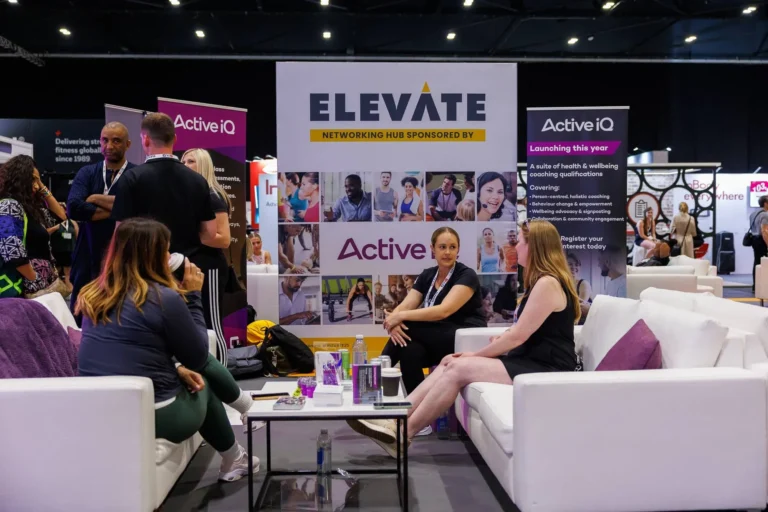


There is a particular art to attending a conference. You study the programme, work out which sessions you cannot afford to miss, collect your badge and spend much of the day moving between presentations.
Then, somewhere between a coffee and a slightly hurried lunch, you have a conversation that turns out to be more useful than anything on the timetable.
New research commissioned by Keith Prowse and Excel London shows that familiar bit of conference life deserves considerably more attention.
The study found that 57% of event attendees agreed their most valuable conversations happened outside the formal programme, suggesting that what happens between the presentations can matter every bit as much as what happens on stage.
And for organisers who have traditionally measured success through attendance figures, exhibition stands and packed auditoriums, that presents an interesting question.
Are they giving people enough room to actually talk?
Conference Networking Is About More Than Collecting Contacts
The research, titled ‘Come for the Show, Stay for the Conversation’, gathered responses from 508 event attendees, organisers, exhibitors, sponsors and marketers between June and September 2026.
Its findings suggest that content, speakers and commercial opportunities remain the main reasons people attend live exhibitions and conferences. The programme still matters.
What makes the experience valuable, however, often extends well beyond it.
More than half of attendees surveyed believed that at least 40% of an event’s value came from networking, conversations and interactions taking place before, during and after the main programme.
Among event budget holders, 86% agreed that networking, informal meetings and relationship-building were as important as formal event participation in creating commercial value.
That is a substantial endorsement of the conversations which rarely appear in an organiser’s carefully prepared running order.
For anyone attending health and fitness exhibitions, the distinction is easy to recognise. A presentation might introduce an idea, but talking it through with someone working in the same field can give it an entirely different perspective.
The important point is that networking need not compete with the formal programme. It can be one of the reasons that programme is worth attending in person.
The Rise of the Blended Delegate
The research also identifies what its authors call the ‘blended delegate’, someone looking to make more of an event-related journey by combining professional commitments with other meetings, networking opportunities and experiences.
Nearly 47% of attendees reported extending an event-related trip during the previous 12 months, combining the main event with activities including client meetings, hospitality, networking and leisure.
It is a fairly understandable approach. If you have already made the journey, booked accommodation and cleared time in the diary, there is an appeal in making the visit worthwhile beyond the exhibition doors.
That might mean arranging an additional business meeting, spending time with colleagues or simply exploring more of the destination.
For organisers and host cities, the findings suggest that the event experience no longer needs to begin and end with access to the venue itself.
The surrounding destination, its hospitality and the opportunities to meet people beyond the formal schedule can all become part of the overall experience.
Can You Really Plan a Chance Encounter?
One of the more interesting ideas to emerge from the research is what Excel London CEO Jeremy Rees describes as ‘curated serendipity’.
It sounds like something that might require its own conference session, but the thinking is straightforward.
If unexpected conversations are valuable, why not create better conditions for them to happen?
That could mean designing spaces that make informal meetings easier, allowing more time between scheduled activities or helping delegates establish connections before arriving.
The same thinking applies to conferences bringing physical activity professionals together, where collaboration and shared experience can be important alongside the speakers and presentations.
Rees explained: “This research, developed in partnership with Keith Prowse, shows that the real value of events extends beyond the scheduled programme. For organisers, venues and destinations, that presents a significant opportunity.
The strongest events combine compelling content and commercial opportunity with environments that encourage interaction, discovery and what I often describe as curated serendipity – creating the conditions for unexpected conversations that can lead to new ideas and stronger relationships.”
Of course, not everybody approaches networking in the same way.
Some people are perfectly comfortable introducing themselves to strangers in a busy reception. Others may appreciate smaller gatherings, facilitated introductions or quieter places to hold a conversation.
The report encourages organisers to consider more inclusive experiences, recognising that creating opportunities to connect is not necessarily the same as making those opportunities accessible to everyone.
What Makes a Successful Live Event?
The findings arrive at a time when digital tools and AI have made accessing information and maintaining professional contacts increasingly convenient.
Yet the surveyed participants still placed considerable importance on being together in person.
This does not establish that networking automatically produces better business results. The research records participants’ reported experiences and opinions rather than independently measuring the financial return from individual conversations.
It does, however, offer organisers another way to think about what people value.
Instead of concentrating exclusively on attendance figures, the report suggests looking at the quality and relevance of interactions, the connections established and the opportunities those relationships create.
That could involve considering whether delegates met the people they wanted to meet, whether conversations continued after the event and whether the experience made productive use of the time and travel involved.
For those organising exhibitions, conferences and professional gatherings, the implication is that a compelling programme remains essential, but it is only part of the job.
A full auditorium tells you how many people turned up. It tells you rather less about who actually connected.