Brits say PE was the very WORST thing about school, with modern children having no idea of how bad it used to be.
For millions of adults, memories of school years PE are not exactly wrapped in warm nostalgia. They are more likely to involve blue knees, lost-property shorts with an uncertain past, and the emotional architecture of being picked last while everyone pretended not to notice.
A survey carried out by school wellbeing app myphizz, suggests those old wounds remain surprisingly tender. According to the findings, 64% of Brits say PE was the worst part of their school years. Not maths. Not double chemistry. Not the lunch queue when the good pudding had already gone. PE.
And the details read less like a curriculum and more like a national inventory of low-level sporting trauma.
The Great British PE Hangover
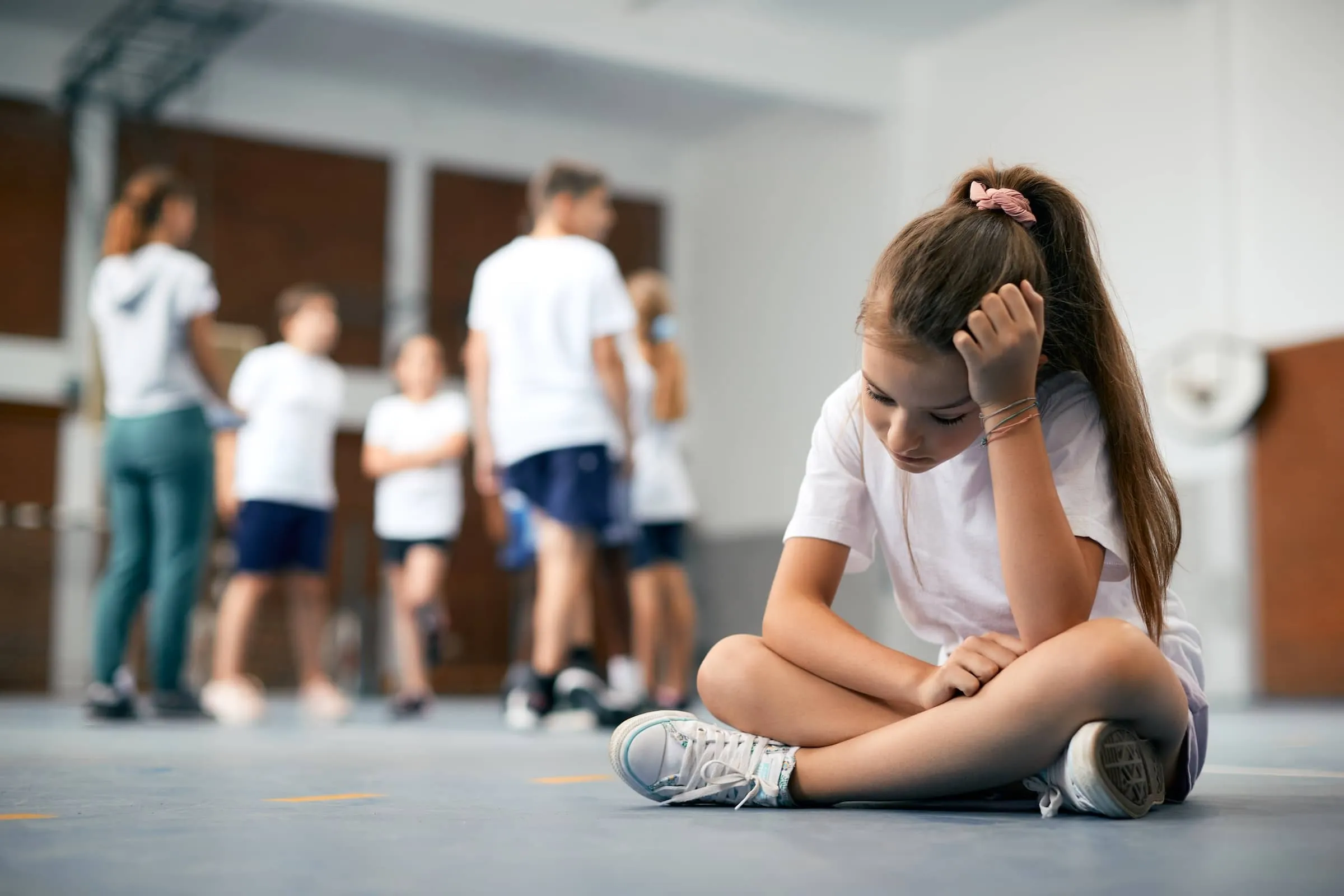
The most painful memory was being the last to be picked for a team, cited by 42% of respondents. Anyone who has stood in a draughty school hall while two self-appointed captains selected their mates, their cousins and quite possibly a traffic cone before choosing you will understand the lasting sting.
Close behind came doing PE outside in the cold or rain, remembered by 40%. This, naturally, was presented at the time as character-building. In reality, it was mostly goosebumps, mud and the dawning realisation that the human body was not designed to play netball in horizontal drizzle.
Another 39% said they remembered being made to feel inadequate because they struggled. That statistic matters. PE, at its best, should introduce children to movement, confidence, teamwork and the simple pleasure of discovering what their bodies can do. At its worst, it teaches them that exercise is public embarrassment in plimsolls.
Picked Last, Frozen Solid And Climbing Nowhere
The list of Britain’s worst PE memories is brutally specific.
Being picked last topped the table at 42%. Outdoor PE in cold or wet weather followed at 40%, while 39% remembered being made to feel inadequate. The embarrassment of changing in front of everyone was cited by 35%, and 32% recalled coming last in races to the sound of patronising applause.
That last one deserves a moment of silence. There are few sounds in childhood more devastating than the pity clap: a slow, well-meaning percussion section announcing that your athletic dignity has left the building.
Other memories included mean PE teachers, the dreaded 1,500 metres, cross country races, forgotten kit, lost-property clothing, rope climbs, pommel horses, cold showers, hard blue mats and uncomfortable plimsolls. It is a wonder anyone ever took up jogging voluntarily.
Why Bad PE Lessons Can Follow Us Into Adulthood
The real significance of the survey is not merely that British adults can still remember the smell of a PE changing room with forensic clarity. It is that 57% say their school PE lessons influenced how they feel about exercise in adulthood.
That is the line with a bit of bite.
A poor early experience of physical activity can linger. If exercise was framed as punishment, humiliation or compulsory suffering, it is hardly shocking that many adults grow into people who view fitness as something to be endured rather than enjoyed.
Anthony McBride, Co-Founder at myphizz, said, “We were shocked to see how many people had a bad experience of PE at school and how this has affected their attitude towards exercise later on in life.
Thankfully, PE has come a long way from the days of pommel horses and smelly plimsolls. Advances in technology, like myphizz, give schools more tools to engage students actively and positively.”
That is the crux of it. The issue is not whether children should be active. Of course they should. The issue is whether schools can make physical activity feel inclusive, varied and useful, rather than a weekly trial by whistle.
Today’s Children May Be Getting A Better Deal
The survey also points to a generational shift. According to myphizz, 95% of parents think their children’s PE experience is far more enjoyable than their own.
That is quite the swing. In golfing terms, it is the difference between finding the fairway and sending one into a gorse bush while your playing partners pretend to look sympathetic.
Half of those surveyed said they appreciate the wider variety of activities available in modern PE. Meanwhile, 52% agreed that lessons are more dynamic and fun, and 44% believe today’s PE teachers are more supportive.
That matters because not every child is going to be a sprinter, striker, gymnast or county-level anything. Some will find their route into fitness through dance, cycling, games, walking, personal challenges, team activities or simply the quiet satisfaction of improvement. The more doors PE opens, the fewer children feel trapped outside the sporty clique, staring in through the condensation.
Adam Gemili Adds Olympic Weight To The Message
British Olympian Adam Gemili, who has partnered with myphizz, has underlined the importance of a more positive approach to children’s activity, particularly after the disruption caused by lockdowns.
“The mental and physical wellbeing of children has never been more crucial,” he explained. “myphizz gives children autonomy and empowers them to manage their own levels of physical activity through choosing exactly the types of exercise they enjoy.”
That word, autonomy, is important. Children are far more likely to build a healthy relationship with exercise when they feel some ownership over it. Being ordered to run laps because the hockey pitch is frozen is one thing. Choosing an activity, tracking progress and seeing improvement on your own terms is another altogether.
From Punishment To Participation
The best version of PE does not exist to sort children into the naturally athletic and the permanently mortified. It should help them understand movement, resilience, health, confidence and the social side of sport.
The old model often rewarded the children who already loved sport and quietly lost the ones who needed encouragement most. That is a poor exchange rate for any school subject, never mind one tied so closely to lifelong health.
The myphizz findings suggest modern PE is moving in a better direction: more variety, more support, more flexibility and, one hopes, fewer occasions when a child is asked to vault over an object that appears to have been designed by a medieval furniture maker.
The Lasting Lesson From Britain’s PE Nightmares
The national archive of school PE misery is oddly funny, until it is not. Yes, the rope climb was absurd. Yes, the plimsolls were crimes against biomechanics. Yes, nobody should have been expected to flourish in PE knickers in February.
But beneath the humour sits a serious point. The way children first experience exercise can shape how they carry it into adulthood. If modern PE can make movement feel less like judgement and more like possibility, then today’s pupils may leave school with something better than frostbite and a hatred of cross country.
They may leave with confidence. And frankly, that beats being picked last by a distance.