Expert-backed summer ear health tips for swimmers, travellers and anyone noticing conversations are getting harder to follow.
Looking after your hearing is rarely the first thing on anyone’s summer checklist, sitting somewhere below sun cream, sunglasses and remembering where you left the barbecue tongs. But between freshwater swimming, chlorinated pools, flights, altitude changes and the roar of family gatherings, your ears can take a quiet battering just when you expect them to behave themselves.
Summer is meant to sound like waves, laughter, clinking glasses and children arguing over inflatables. It is not supposed to sound like muffled conversation, earache or the dull internal thud of pressure refusing to equalise on a flight.
Yet that, according to audiologist Ben Yang at Ceretone, is exactly where many people come unstuck.
Why Summer Can Be Surprisingly Hard On Your Ears
Swimming is one of the great summer pleasures, whether it is a bracing dip in the sea, a splash through a water park or a more serious open-water session conducted by people who own goggles and say things like stroke efficiency without irony.
The benefits of swimming for wellbeing are well established, but the ears do not always get the memo. Natural open water, including lakes and rivers, carries bacteria. When water enters the external ear canal and becomes trapped, the canal turns into a warm, damp little greenhouse where bacteria can flourish with alarming enthusiasm.
That can lead to external otitis, better known as swimmer’s ear, and myringitis, which is inflammation of the eardrum. In more serious untreated cases, a middle ear infection may follow.
“We see a noticeable increase in ear complaints in the summer and freshwater swimming is a common trigger. The ear canal is warm, narrow and, once moisture is trapped inside, provides the perfect conditions for bacteria to thrive. What starts as mild irritation can quickly escalate into a painful infection that requires medical treatment and, in some cases, temporary hearing loss.”
That is not a reason to spend July indoors, staring accusingly at a paddling pool. It is, however, a reminder that ear health belongs in the same practical category as hydration and sun protection: mildly boring until it becomes urgently important.
Freshwater Swimming: Lovely Setting, Less Lovely Bacteria
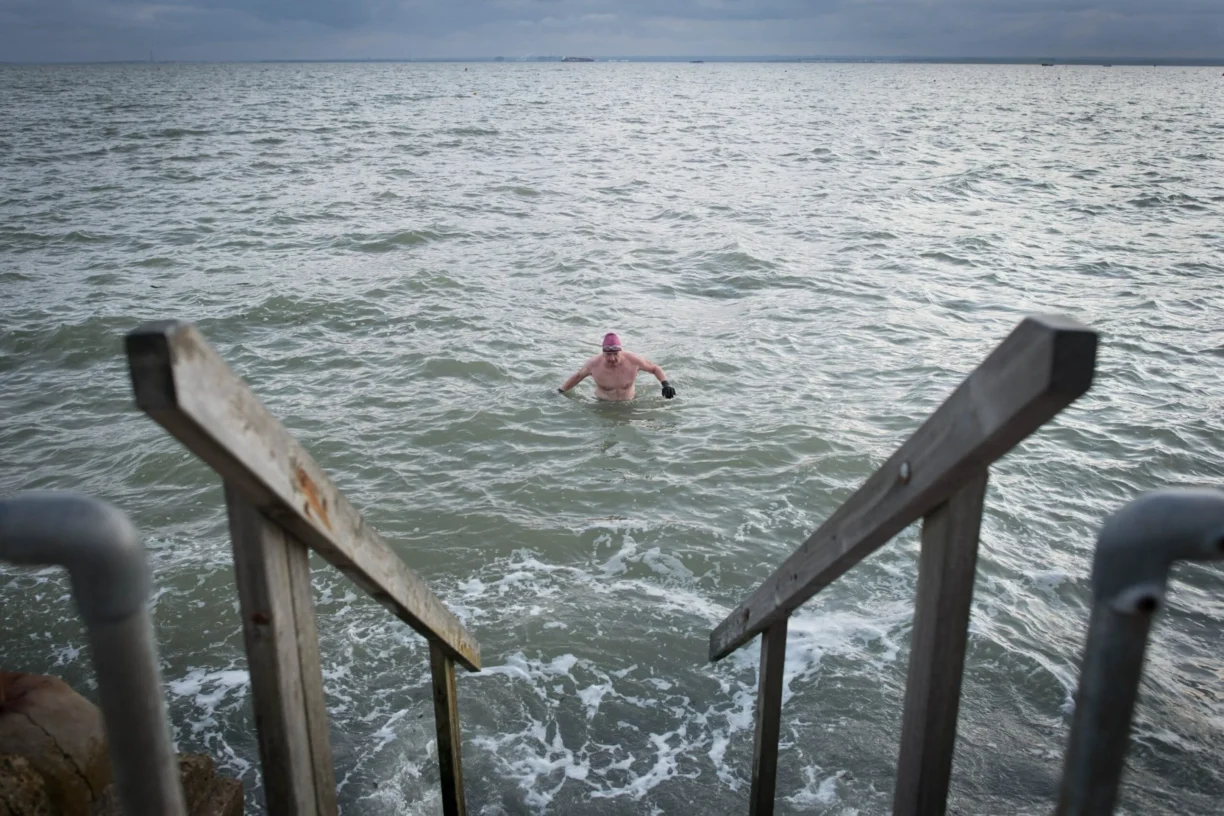
Open-water swimming has acquired a certain wholesome glamour in recent years. Lakes at dawn. Bobble hats. Steely resolve. People talking about cold-water immersion as if they have personally invented resilience.
But freshwater is not sterile. Rivers, lakes and natural swimming spots can carry bacteria that increase infection risk, particularly if water sits inside the ear canal after swimming.
People with pre-existing ear injuries, perforated eardrums or recurrent middle ear infections are advised to avoid freshwater swimming because their risk is higher. Persistent ear pain, itchiness or discharge after swimming should not be waved away as one of those summer things. That is the point at which an ENT specialist becomes far more useful than bravado.
Chlorinated Pools Are Not A Free Pass
A swimming pool can feel like the safer choice. It has tiles, rules, lanes and, if you are unlucky, someone doing butterfly very close to your face. Chlorination does reduce bacterial risk compared with natural freshwater, but regular pool swimming can still irritate the ears.
The ear canal has a natural protective coating: a thin acidic, waxy layer that helps defend against infection. Repeated exposure to chlorinated water can dry out and strip that protection, leaving the delicate skin of the ear canal more vulnerable.
“People often overlook the cumulative effect of regular pool swimming on ear health,” says Ben. “Each session in chlorinated water can gradually dry out and irritate the delicate skin of the ear canal. Over time, this makes swimmers more vulnerable to infection. If you swim regularly, even in a pool, ear protection and proper aftercare really do matter.”
For regular swimmers, that advice is particularly relevant. Earplugs may not be glamorous, but neither is spending the weekend tilting your head sideways like a confused spaniel.
Flying, Altitude And The Brutal Little Physics Lesson In Your Head
Water is not the only summer nuisance. Air travel, mountain walks and altitude changes can all put extra pressure on the ears.
During take-off and landing, rapid changes in air pressure can cause barotrauma. This happens when pressure is unequal on either side of the eardrum, creating discomfort, pain and that familiar blocked sensation that can make every cabin announcement sound as if it is being delivered from inside a wardrobe.
Ben advises:
“If you’ve had a recent ear infection and are due to fly, it’s worth speaking to your GP or an audiologist beforehand. Flying with a blocked Eustachian tube, which is common after an infection or even a heavy cold, can be extremely painful and in rare cases can cause eardrum damage. Staying well hydrated, swallowing frequently during descent (you could try chewing gum, sipping water, or sucking on a hard sweet) and using decongestants if recommended by your doctor can all help.”
It is sensible, unflashy advice. Which is often the best kind. Nobody needs a heroic ear moment at 30,000 feet.
The Social Side Of Hearing Health
Summer also has a way of revealing hearing problems that colder months politely disguise. A quiet living room is one thing. A barbecue with clattering plates, competing conversations and someone loudly explaining their new pizza oven is quite another.
This is often when people first notice they are missing parts of the conversation. Not everything is down to background noise. For adults with mild to moderate hearing loss, ready-to-wear hearing aids may offer a more accessible first step than many expect.
Ceretone’s ready-to-wear hearing aids are designed for adults with mild to moderate hearing loss, do not require a prescription and can be used straight out of the box. They start from £129.99 and are available from Currys online and Ceretone, with a 60-day money-back guarantee.
That does not remove the need for proper medical advice where symptoms are persistent or worrying. But it does make the wider point: looking after your hearing is not just about avoiding infection. It is also about staying present when the table gets noisy and the good stories begin.
“Your ears are remarkably resilient but they do need looking after,” says Ben. “A few simple precautions, such as the right earplugs, proper drying technique and getting a little help from a simple hearing aid, can make the difference between an enjoyable summer and a season of discomfort or being left out of the conversation.”
Practical Summer Ear Protection Tips
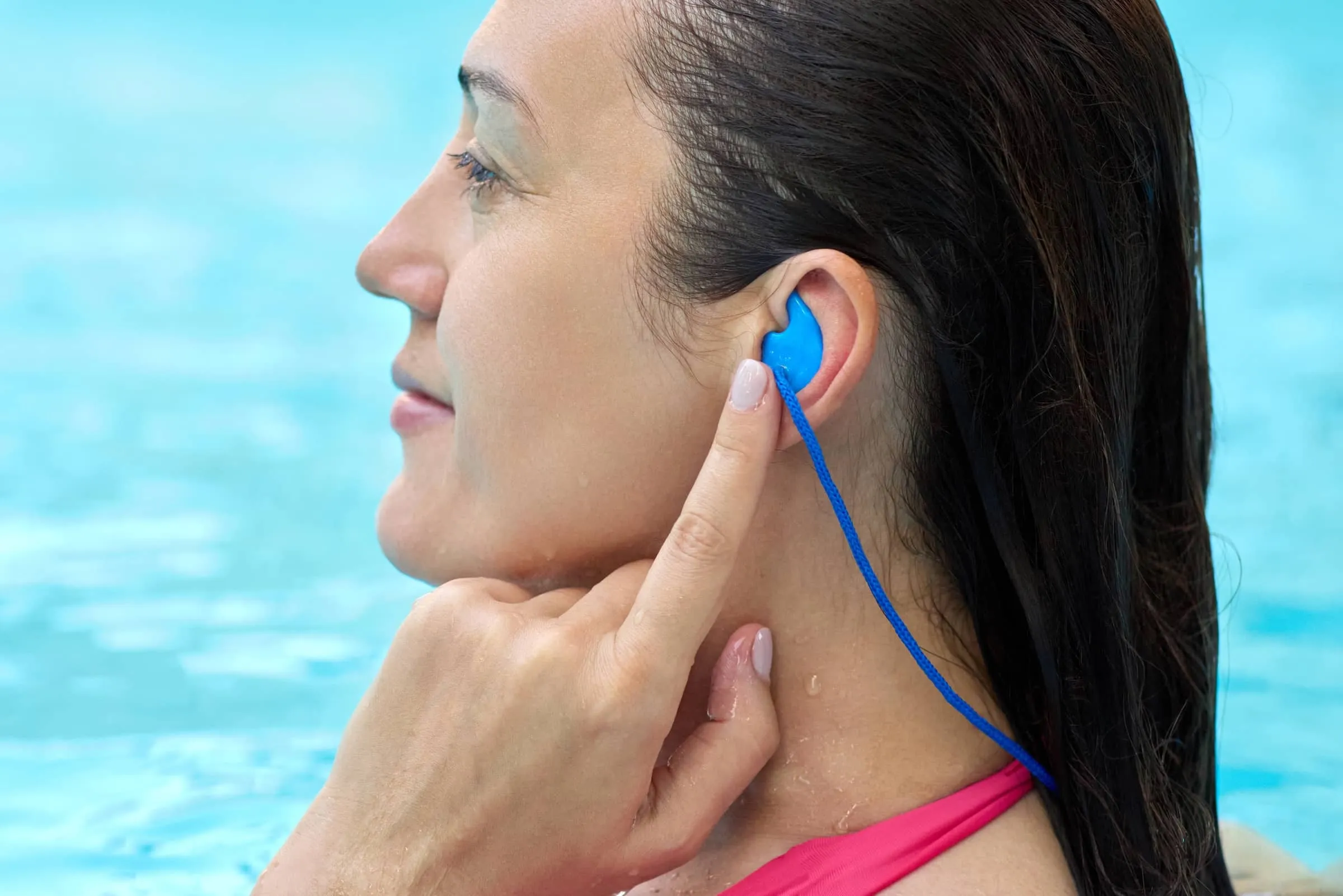
For swimmers, the most effective protection is to wear custom or disposable waterproof swimming earplugs. Custom-moulded plugs, available from audiologists, offer the best fit for regular swimmers and help block water from entering the ear canal.
If you do not wear earplugs, drain trapped water after swimming by tilting your head to one side and hopping gently. It may look ridiculous, but so does most holiday behaviour after 4 pm.
Avoid cotton buds inside the ears. They can push debris deeper or scratch the delicate skin of the ear canal. A better option is to twist clean tissue into a thin strip and gently dab the ear opening to absorb leftover moisture.
Do not rinse the ear canals with tap water or shower water after swimming. Tap water can contain trace pathogens, which may trigger a secondary bacterial infection.
Dry your ears gently but thoroughly after every swim. A hairdryer on a low setting, held at arm’s length from the ear, can help evaporate remaining moisture in the canal.
Avoid swimming if you have an active ear infection or are recovering from ear surgery. Even a short dip can delay healing and increase the risk of complications.
And if you have started to miss parts of conversations, take a hearing test. Hearing loss has been linked to social isolation and dementia, so early action matters. Ceretone offers a free two-minute hearing screener on its website.
Summer should be heard properly: the splash, the gulls, the badly judged jokes, the last-minute boarding call and the family member who insists the sausages are definitely cooked. Protect your ears now, and you give yourself a better chance of enjoying the whole soundtrack.