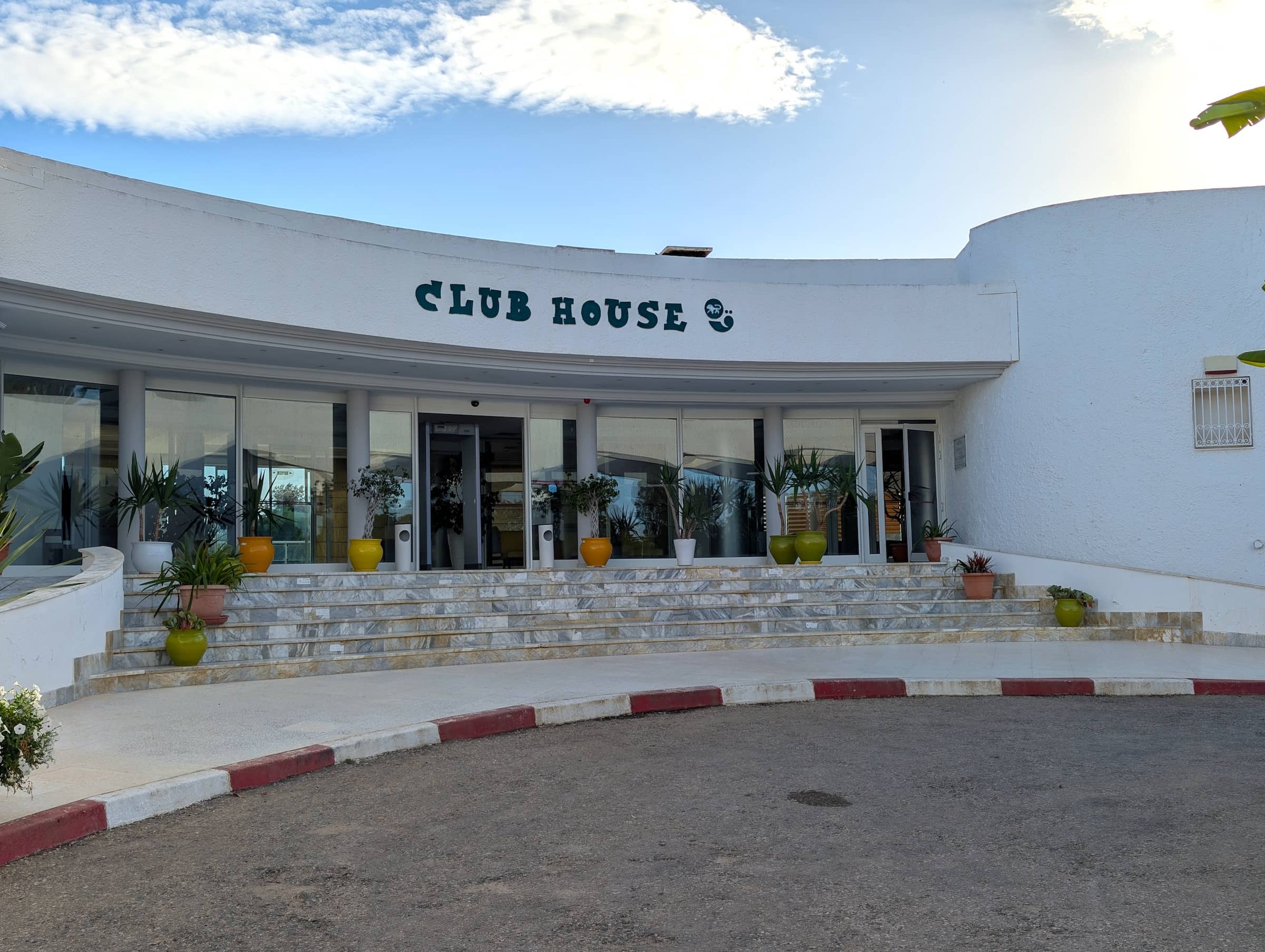
Golf should be one of the more enjoyable ways to stay active on holiday. But as I discovered at Tunisia's El Kantaoui Golf Course, beautiful surroundings, Mediterranean sunshine and the promise of 18 holes don't always add up to a relaxing afternoon.
There’s something rather appealing about playing golf on holiday. You’re outdoors, getting some exercise, enjoying the scenery and, with any luck, temporarily forgetting about the emails waiting for you back home.
Throw in some Mediterranean sunshine, a few palm trees and the prospect of playing somewhere new, and you’ve got the makings of a very pleasant afternoon.
At least, that’s the theory.
My experience at El Kantaoui Golf Course in Tunisia was a timely reminder that while golf might be an enjoyable way to keep moving on holiday, it can also test your patience to a degree that no fitness instructor could reasonably recommend.
Five and a half hours, to be precise.
And before anyone suggests that perhaps my golf simply wasn’t up to scratch, I can assure you that my putting was the least of the problems.
A Beautiful Setting With All the Right Ingredients
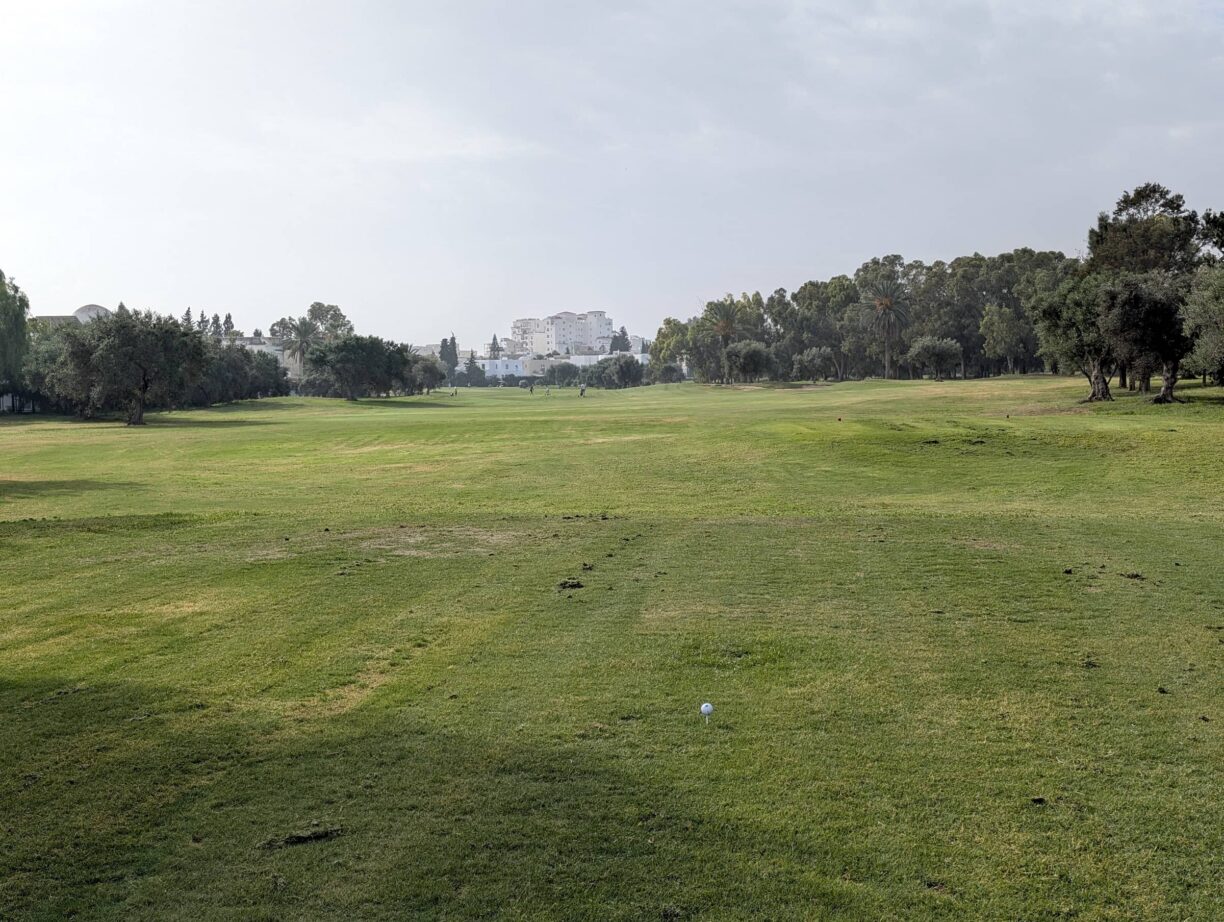
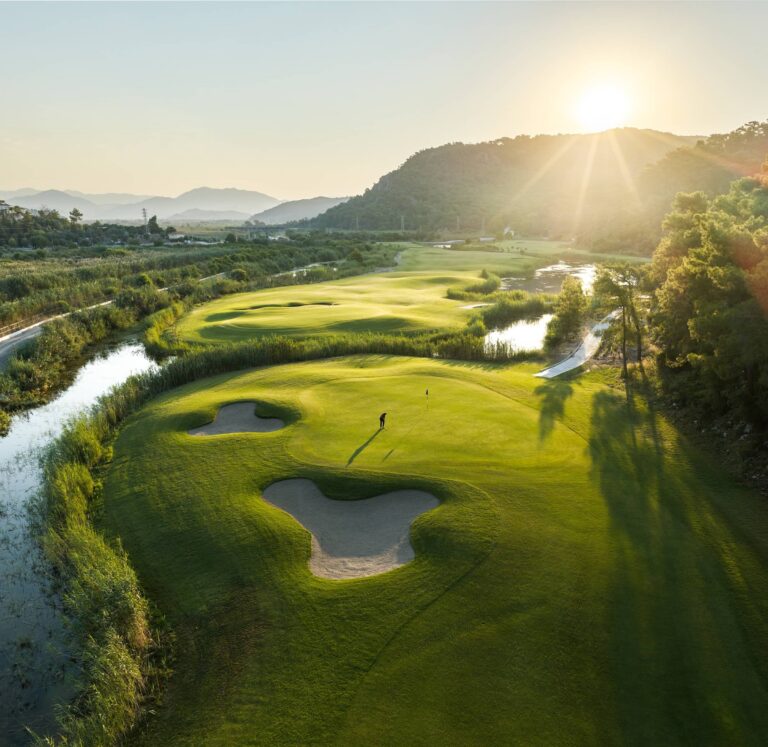
Situated in Port El Kantaoui, near Sousse on Tunisia’s Gulf of Hammamet, El Kantaoui Golf Course certainly knows how to make a good first impression.
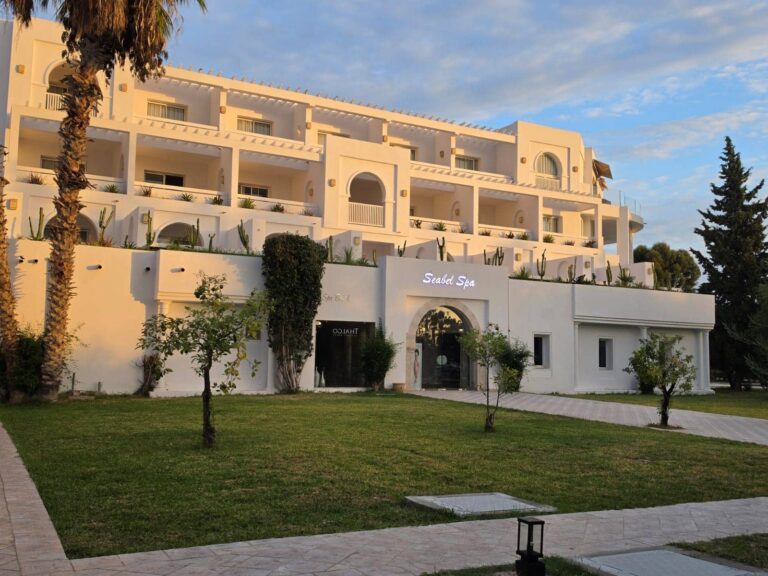
Close to the Seabel Alhambra Beach Golf & Spa, the complex sits among mature olive trees, eucalyptus, palms, and cacti, with ornamental lakes and attractive landscaping that give it a distinctly Mediterranean feel.
Designed by American golf course architect Ronald Fream and opened around 1980, the complex covers approximately 130 hectares and offers two 18-hole layouts.
There’s the par-73 Sea Course, with its more coastal character, and the Panorama Course, which heads into hillier terrain with elevated views over the surrounding area.
It’s precisely the sort of destination that should appeal to anyone who enjoys combining a holiday with a little physical activity.
And that was what we had in mind.
Rather than spending another afternoon lounging around the hotel, my playing partner and I fancied getting out in the fresh air, stretching our legs and enjoying a round somewhere different.
Unfortunately, things began to unravel before we’d even reached the first tee.
Hire Clubs, Holiday Golfers and an Awfully Long Afternoon
My playing partner hadn’t brought her golf clubs to Tunisia, so we needed to hire some equipment.
At around £7.50, the price was certainly reasonable. The clubs themselves were rather less impressive.
I’ve seen better-looking equipment in charity shops.
In fact, we ended up hiring two sets and attempting to assemble one reasonably playable bag between them. After some rummaging, we managed to put together a collection of Callaway, Ping and TaylorMade clubs, accompanied by a driver and fairway woods from manufacturers that were complete strangers to both of us.
Still, part of the enjoyment of holiday golf is occasionally making do with what you’ve got.
A slightly questionable set of clubs wasn’t going to spoil the afternoon.
The pace of play, on the other hand, was another matter entirely.
We’d been told there was no need to book a tee time. Simply turn up, pay and head out onto the course.
That sounded reassuringly straightforward.
Unfortunately, when we arrived, a French golfing society of approximately 12 players was already ahead of us, along with a three-ball from Austria.
Over the following hours, we became rather familiar with the Austrian golfers, regularly finding ourselves waiting alongside them as progress around the course slowed to a crawl.
What should have been an enjoyable afternoon walking between shots became an extended exercise in standing around.
By the time we’d completed our round, five and a half hours had passed.
With temperatures in the high twenties Celsius, that was rather longer than either of us had planned to spend out on the course.
Thankfully, the humidity was relatively low, which made the experience a little more manageable. But there’s a considerable difference between enjoying an active afternoon outdoors and spending much of it waiting for the opportunity to take your next shot.
For a resort that welcomes holiday golfers, the organisation of tee times and management of slow play left plenty to be desired.
And, unfortunately, the condition of the course did very little to lift our spirits.
Putting on Shag-Pile Carpet Wasn’t in the Holiday Brochure
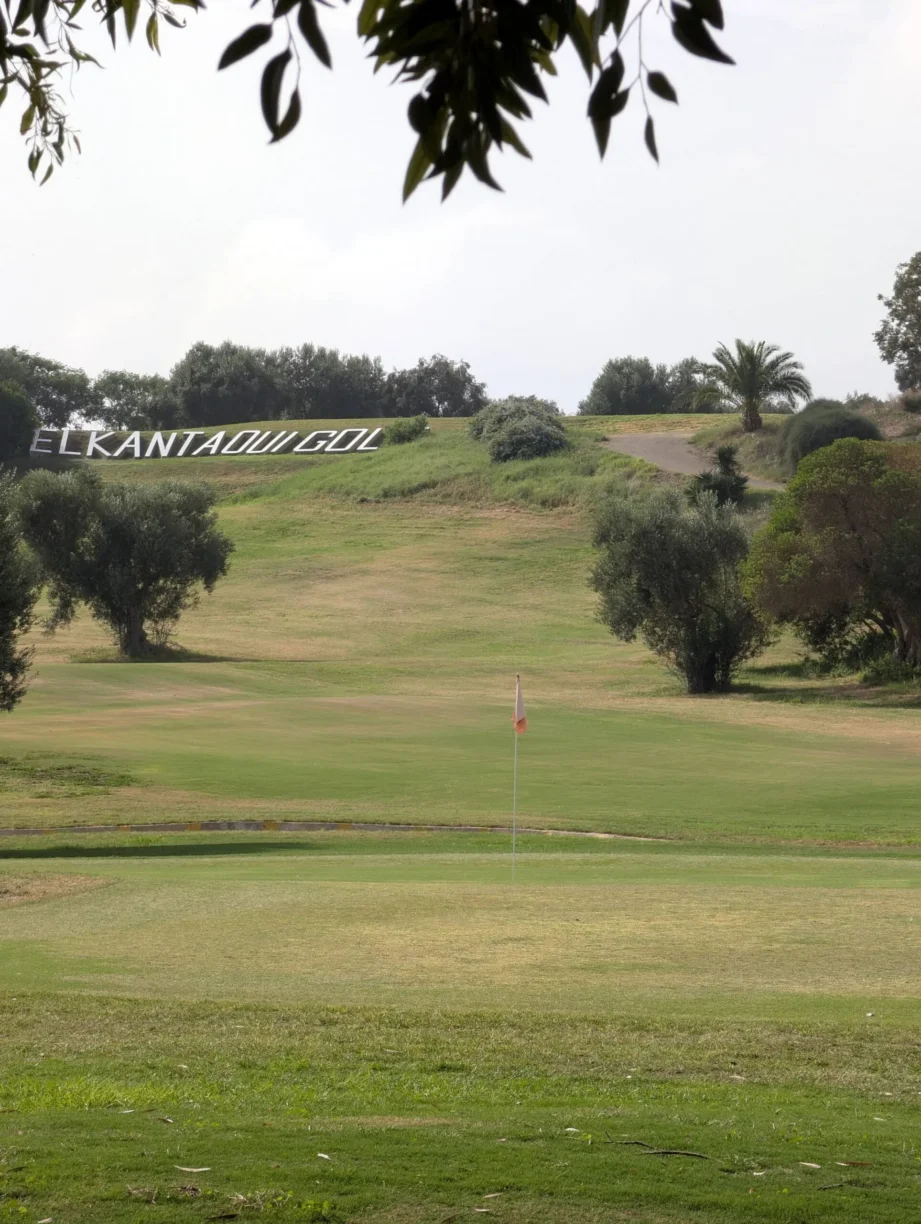
The receptionist had been friendly and welcoming when we arrived. She’d also offered a warning that the greens weren’t in the best condition, although they were still apparently playable.
I now suspect we had slightly different interpretations of the word playable.
The greens were, quite frankly, dreadful.
The closest comparison I can offer is trying to putt across an old shag-pile carpet.
Lumps, bumps, divots and uneven patches were everywhere. Getting the ball to roll smoothly towards the hole was difficult enough, never mind trying to judge the correct line and pace.
You could strike what felt like a perfectly reasonable putt and watch helplessly as the ball bobbled, bounced or took an unexpected detour.
Now, golf is difficult enough when everything is working as it should.
Introduce putting surfaces where the ball appears to have developed a mind of its own, and the whole business becomes faintly ridiculous.
I’ve played temporary greens in Britain that offered a more reliable putting experience.
The course had recently been hollow-cored, which I completely understand. Maintaining healthy greens requires regular work, and sometimes that means playing conditions are temporarily less than ideal.
But leaving the extracted cores scattered across the putting surfaces is something else.
Other areas appeared to have what felt like an inch of sand covering them, making it almost impossible to judge how the ball would behave.
It wasn’t simply a case of the greens being a little slower than usual. The surfaces were so inconsistent that putting became more about luck than judgement.
Elsewhere, significant areas of the course looked heavily scorched, with dry, brown patches spoiling sections of what should have been an attractive layout.
The bunkers weren’t much better.
Some contained so much soft sand that my feet practically disappeared beneath the surface when I stepped inside.
I appreciate that bunkers are supposed to be hazards, but there’s a difference between a challenging sand shot and wondering whether your shoes are going to make it back out with you.
By this stage, the scenery was doing an awful lot of work to compensate for the golf.
Why the Experience Matters Beyond the Scorecard
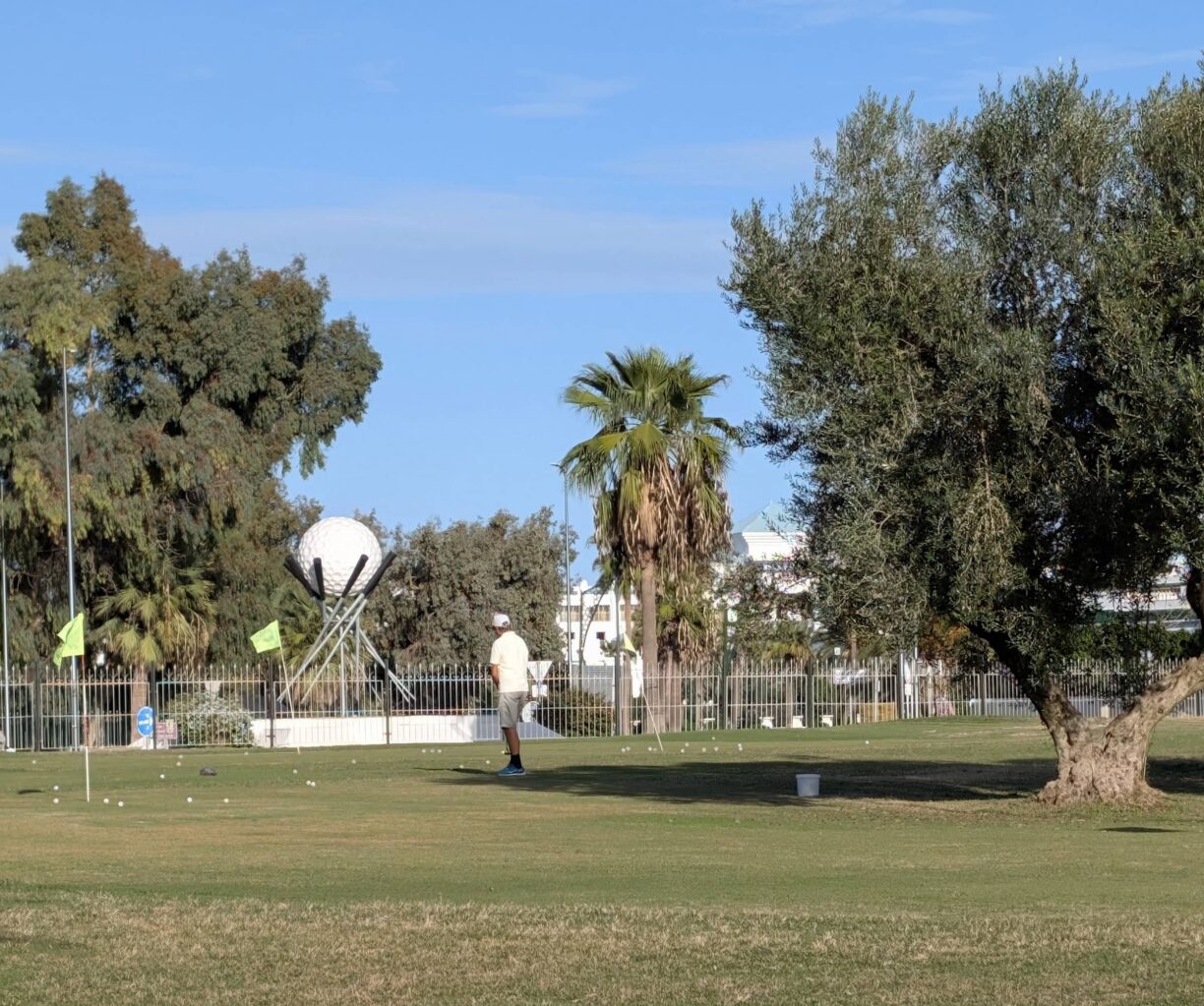
For many people, staying active on holiday isn’t about chasing personal bests in the gym or following a strict training programme.
It’s about finding enjoyable opportunities to move.
That might mean swimming, cycling, exploring a new town on foot or spending an afternoon on the golf course.
The appeal is that physical activity becomes part of the holiday rather than something you’ve scheduled around it.
Golf can fit that description beautifully. You spend time outdoors, walk between shots and enjoy a shared experience with whoever you’re playing alongside.
But enjoyment matters.
And when you’re battling poorly maintained putting surfaces, unpredictable bunkers and a painfully slow round, much of what makes the activity appealing begins to disappear.
Of course, not everyone approaches holiday golf in quite the same way.
Some visitors simply want to knock a ball around in the sunshine, enjoy the scenery and aren’t particularly concerned about the scorecard.
Fair enough.
But for someone who takes their golf reasonably seriously, the condition of the playing surfaces makes an enormous difference.
There is also the question of value for money.
When you’re paying roughly what you would for a round at a decent course back in the UK, I don’t think it’s unreasonable to expect a comparable standard of presentation and playability.
I certainly don’t demand immaculate championship conditions everywhere I play.
Different climates present different challenges, and I appreciate that maintaining a golf course requires significant investment.
But reasonable greens, playable bunkers and some semblance of organisation shouldn’t be too much to ask.
Unfortunately, on the Panorama Course, those basics simply weren’t there during our visit.
Could Tunisia Still Become a Great Golf Holiday Destination?
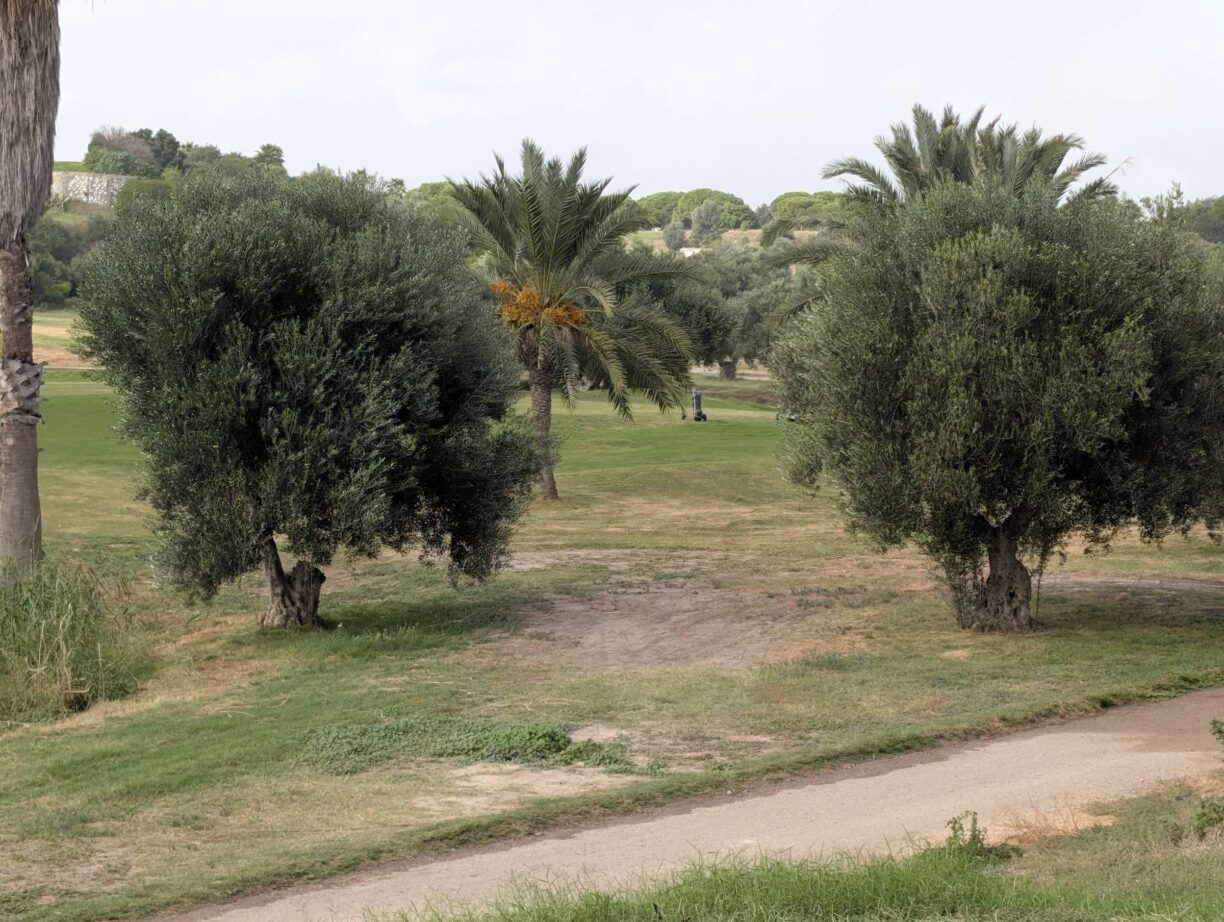
This is where my disappointment becomes particularly frustrating.
Because I genuinely believe Tunisia has the potential to become a terrific destination for golfers.
The climate is appealing for much of the year, the scenery is attractive and established complexes such as El Kantaoui already have the foundations on which to build.
There are also people working to promote and improve golf tourism in Tunisia, and I’d very much like to see those efforts succeed.
But attracting visiting golfers is only half the battle.
Giving them an experience good enough to make them want to return is what really matters.
The courses need investment, consistent maintenance and an understanding that visiting golfers are entitled to expect value for money, regardless of which country they’re playing in.
And the most frustrating part of our particular visit was that we never got to experience El Kantaoui’s Sea Course.
We were discouraged from playing it for reasons that weren’t entirely clear, so I can’t tell you whether its condition was better, worse or much the same.
It would be unfair to judge a course I haven’t played.
What I can say is that the Panorama Course fell a long way below the standard I’d hoped to find.
Would I play it again in the same condition? Absolutely not.
Would I consider returning if the greens, bunkers and general presentation improved significantly? Yes, because there’s clearly enough potential here to make a return visit worthwhile.
And would I recommend it to another golfer planning an active holiday in Tunisia?
Not based on the experience we had.
Course conditions can change, so anyone considering a round should check the state of the greens, recent maintenance work and tee-time arrangements before booking.
I really do hope that El Kantaoui eventually becomes the golfing destination its surroundings suggest it could be.
There’s something wonderful about discovering a course somewhere new and coming away eager to tell other golfers about it.
Unfortunately, after five and a half hours on the Panorama Course, I came away with rather more to say about the greens than the golf.
The sunshine was lovely. The scenery was beautiful. It’s just a shame the golf couldn’t keep up.