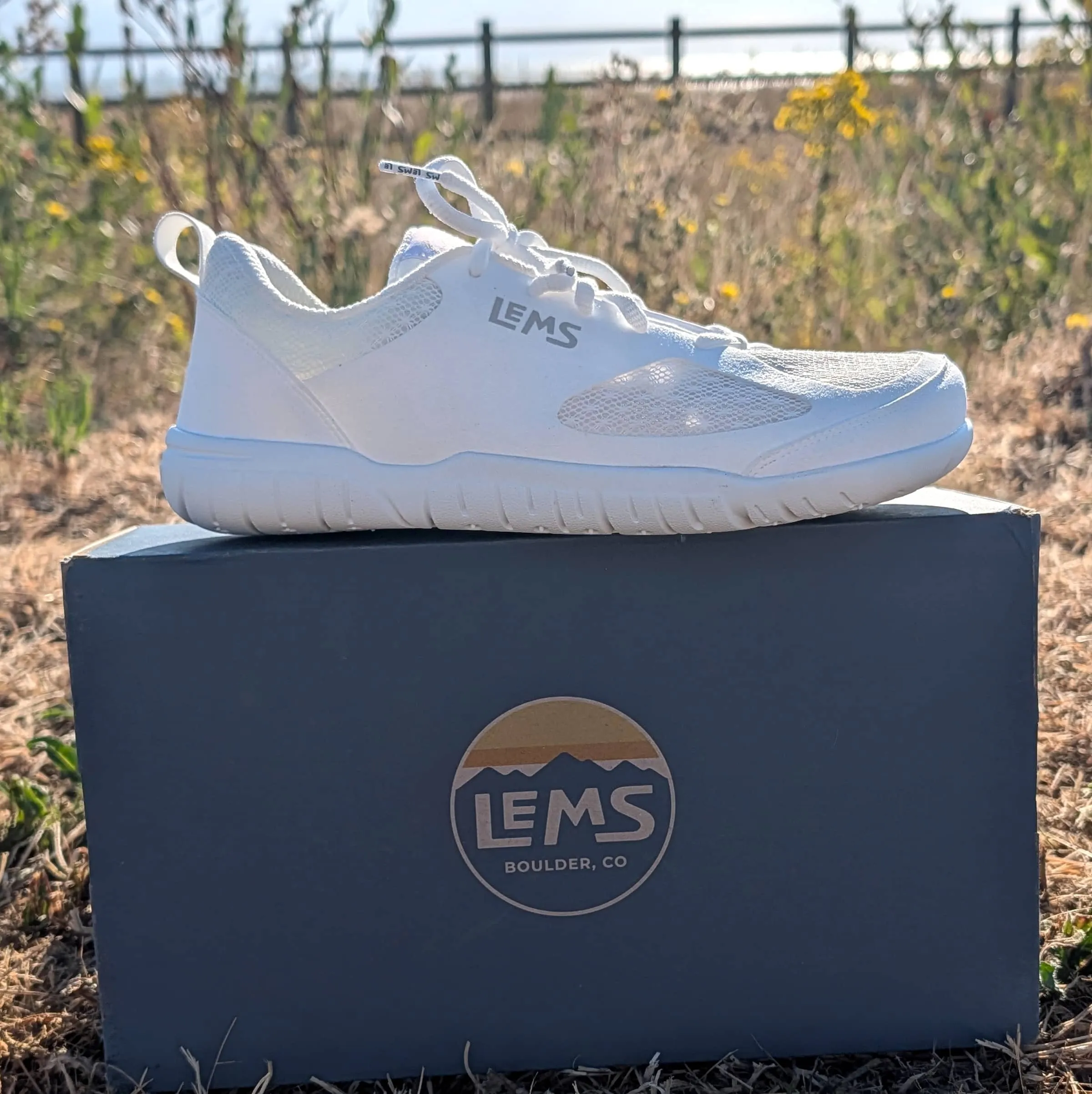
LEMS Shoes Primal 3 reviewed: a wide, zero-drop trainer for gym sessions, daily wear and anyone tired of cramped toe boxes.
LEMS has built the Primal 3 around a simple proposition: feet generally work better when they are not being squeezed, tilted and buried under a small mattress.
This is a lightweight, wide-fitting, zero-drop trainer aimed at gym work, cross-training and ordinary daily wear, with a redesigned outsole intended to make the shoe feel more stable without turning it into a rigid lifting block.
A wider, flatter first impression
The Primal 3 looks unusual only because so many modern trainers have become swollen caricatures of themselves. Its profile is low, the heel is modest and the forefoot is broad enough to let the toes spread rather than negotiate terms with one another.
That shape is central to the appeal. LEMS uses its WIDEST Natural-Shape fit, pairing a roomy toe box with a zero-drop platform that keeps heel and forefoot level. The stack height is just 9.5mm, so the foot sits close to the floor rather than hovering above it.
The result should suit readers who value ground feel and natural movement more than marshmallow cushioning. Those coming from thick, highly structured trainers may find the change more pronounced. Minimal footwear has a habit of revealing how much work the foam was doing.
How the Primal 3 performs in the gym
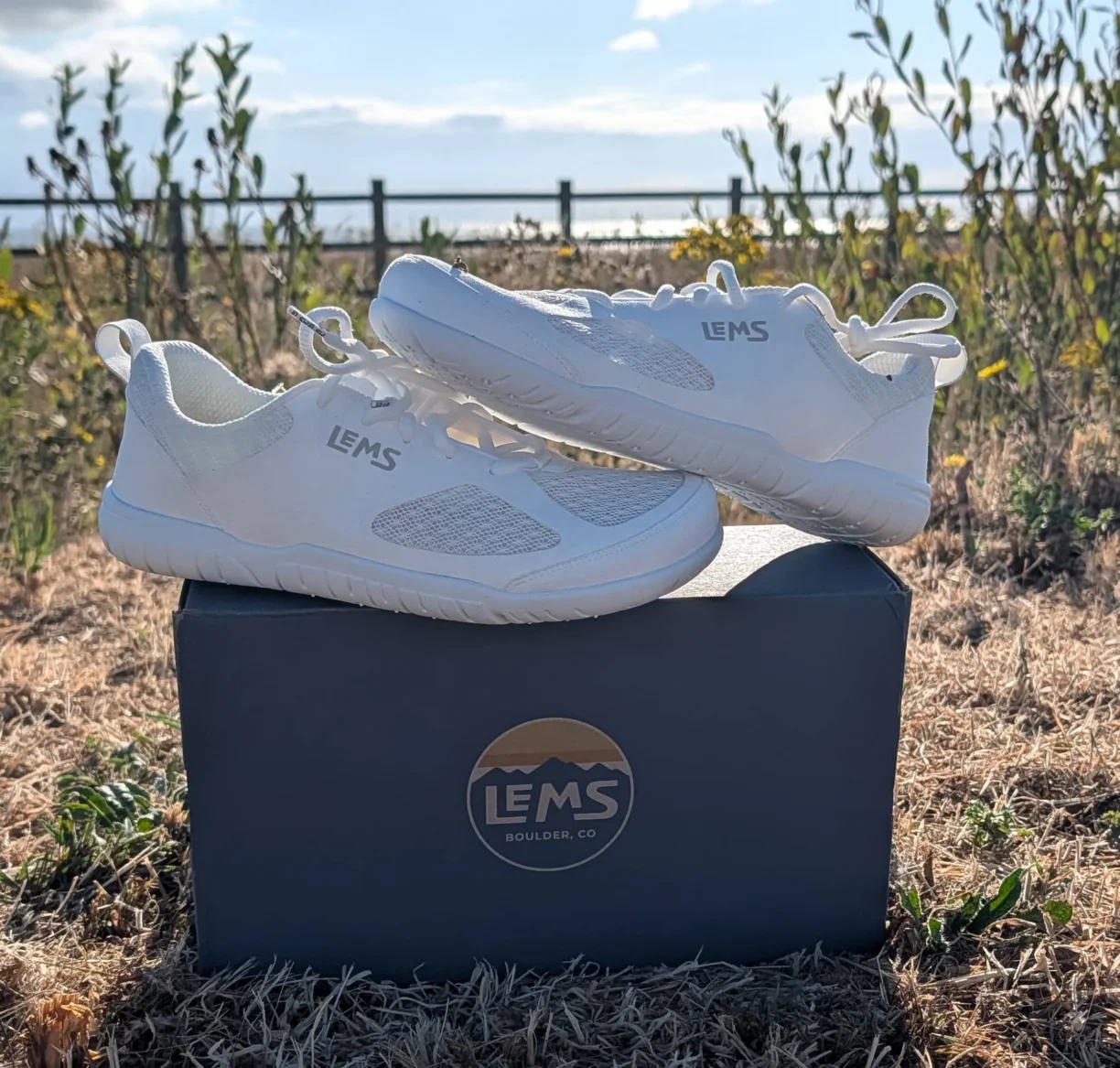
For weightlifting and cross-training, the redesigned outsole is the most useful update. LEMS has widened the heel and midfoot, creating a larger contact area and helping distribute weight more evenly. In practical terms, that should produce a more planted base for squats, deadlifts and controlled strength work.
The Injection Blown Rubber outsole remains light and flexible rather than stiff and platform-like. That makes the Primal 3 more versatile than a dedicated lifting shoe, although it also means specialists chasing a raised heel or maximal rigidity will need to look elsewhere.
At 8.6oz in a men’s size 10, it is light enough for general gym sessions and everyday movement. The low stack and flexible construction also make changes of direction feel less cumbersome than they can in heavily cushioned trainers.
This is not a shoe trying to perform every athletic trick. It is happier keeping you connected to the floor, which is often the more useful party piece.
Comfort beyond the workout
The Primal 3 is designed to leave the gym without looking as though it has escaped from a laboratory. Its upper combines super-soft microfibre with open-weave mesh, while the moisture-wicking polyester lining is intended to manage heat during longer periods of wear.
The cork insole is a small but important detail. It is frequently singled out in wearer feedback and adds a little everyday comfort without smothering the shoe’s grounded character. It can also be removed to create more internal volume or increase direct contact with the outsole.
That adjustability broadens the Primal 3’s usefulness. It can serve as a gym shoe, a walking trainer or a casual option for people who prefer less structure underfoot. Hiking and field sports are also mentioned regularly by users, although the low-profile build will appeal most to those who already understand the trade-off between ground feel and plush protection.
Fit, materials and the zero-drop question
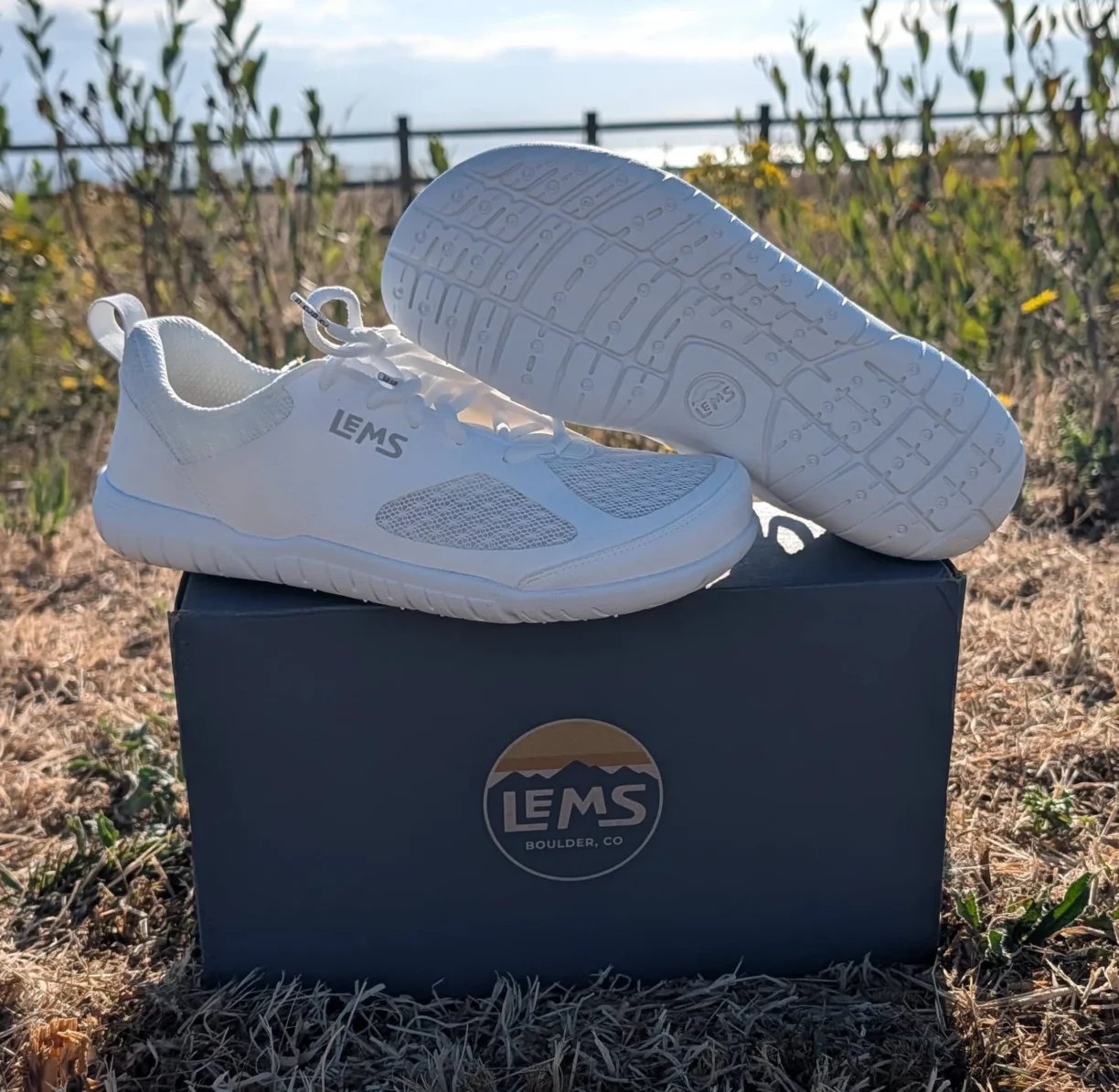
The fit guidance is straightforward: order your normal size. The Primal 3 is unisex, with the same width used for men’s and women’s versions, so buyers should pay attention to the size conversion rather than assume the shoe has been reshaped by gender.
Its wide toe box is not merely a styling flourish. Conventional trainers often taper sharply through the forefoot, which can leave toes compressed. Here, the shape allows them to spread more naturally, particularly during loaded movements.
The upper combines super-soft microfibre and open-weave mesh and is described as 100% vegan. Beneath the foot, the minimal cork insole sits over LEMS’ lightweight IBR outsole.
The zero-drop geometry also deserves a sober reading. It places the heel and forefoot at the same height, creating a flatter stance and encouraging a more midfoot-oriented feel.
Claims that any shoe can automatically correct posture or align a spine should be treated with caution; footwear is not a travelling chiropractor. The credible benefit is simpler: a level platform, less heel elevation and more immediate feedback from the ground.
Pros and cons
Pros
- Exceptionally roomy toe box
- Stable, widened outsole
- Lightweight and flexible construction
- Removable cork insole
- Breathable, vegan upper materials
- Useful across gym sessions and daily wear
Cons
- Minimal cushioning will not suit everyone
- No raised heel for lifters who prefer one
- The broad shape may look unfamiliar beside conventional trainers
- Zero-drop footwear can feel abrupt for people used to thick soles
Who is it best for — and is it worth it?
The Primal 3 makes most sense for gym users, walkers and everyday wearers who want a wide toe box, a low stack and a flatter stance. It should also interest anyone who finds mainstream trainers too narrow or overly cushioned.
Compared with conventional training shoes, it gives up some softness in exchange for floor contact and flexibility. Compared with the most stripped-back minimalist footwear, the cork insole, breathable upper and broader everyday remit make it a more forgiving proposition.
LEMS was not a familiar name to me before the Primal 3 came into view, but the loyal following is easy to understand. This is a thoughtfully shaped shoe with a clear purpose and very little decorative nonsense.
It will not suit runners chasing maximal cushioning or lifters demanding a specialist heel. For general training and daily wear, however, it offers a convincing balance of freedom, stability and comfort.
The Primal 3 does not shout for attention. It simply gives your feet more room, your stance more ground and the rest of the shoe industry rather less excuse.