Can an ice bath improve sleep after hard training? One recovery experiment reveals the timing, temperature and mistakes that matter.
Not long ago, I decided to become my own biological guinea pig. Like anyone trying to balance high-intensity physical training with a demanding, chaotic workweek, I was stuck in a brutal recovery paradox. I would finish a heavy evening training session or intense running block, crawl into bed with totally spent muscles, and then spend the next four hours staring at the ceiling.
My mind was racing, my chest felt tight, and my heart rate refused to settle down. I was completely exhausted, but my nervous system was stuck in high gear.
After digging into the science of environmental medicine, I realised I wasn’t suffering from clinical insomnia—I was just failing at baseline thermodynamics. Your body operates on a strict clock: to slide into a deep, slow-wave sleep, your core temperature has to decline by roughly two degrees Fahrenheit.
By smashing my body with late-day training and subsequent cortisol spikes, I was trapping my internal thermometer in a high-alert loop.
To break this pattern, I abandoned my hot evening showers and turned to targeted cold water immersion as a manual reset button for my nervous system, tracking my sleep metrics along the way. Here is what happens when you use strategic cooling to fix your night.
Phase 1: The Panic Response and the Cortisol Override
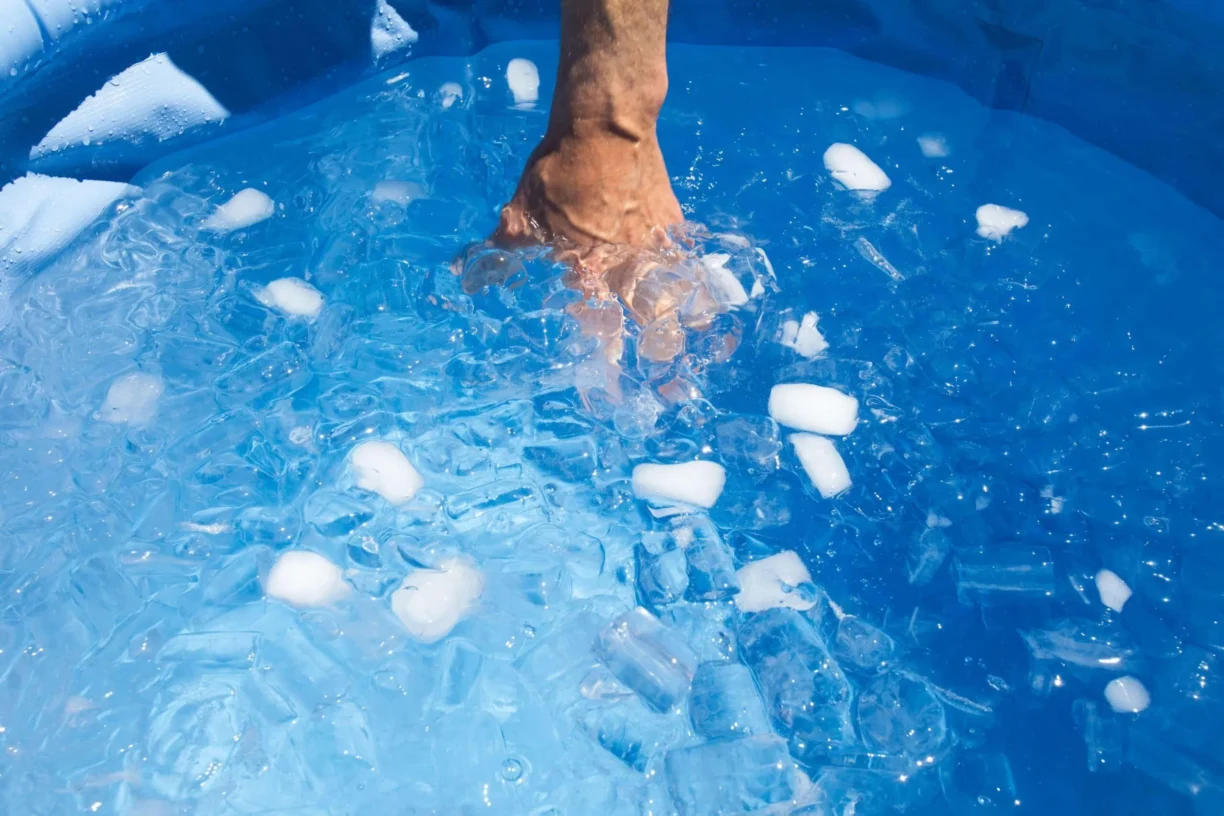
The first few sessions were pure psychological warfare. If you think jumping into cold water gets easier just because you want better sleep, it doesn’t. At first, my body treated the immersion as an absolute emergency. The instant you drop in, your brain screams at you to get out, your breathing hitches, and you experience a massive spike in adrenaline and norepinephrine.
In the beginning, I made the amateur mistake of plunging roughly 45 minutes before turning off the lights. The result? I stayed wide awake until 2 AM, feeling like I could run through a brick wall.
That is the neurochemical timing paradox in action. Cold exposure drives a 300% surge in focus-boosting neurotransmitters that takes hours to clear out of your bloodstream.
To fix this, I adjusted the protocol based on biological timing. I moved my sessions to four to six hours before bedtime, right after my late-afternoon workouts.
The change was instantaneous. Moving the timeline gave that initial chemical adrenaline wave plenty of time to wash out of my system, while allowing the secondary “radiator effect” to kick in. As my skin surface blood vessels expanded after drying off, my body began passively dumping heat into the room, setting up my core temperature for a perfect, scheduled drop right when my head hit the pillow.
Phase 2: Shifting Gears and Mastering the Parasympathetic Pivot
Once the initial panic faded into a disciplined routine, my brain stopped viewing the water as a survival threat. That is when the real structural recovery started showing up on my wearable trackers.
The core struggle of high-stress training is nighttime cortisol. When your stress hormones remain elevated past dark, they act as a physical barrier to deep rest, keeping your central nervous system stuck in a sympathetic “fight-or-flight” loop.
What I discovered through consistent practice was the power of the “parasympathetic pivot.” While the immediate effect of the cold is a shock, the post-plunge reaction is a profound drop in systemic cortisol output once you warm back up.
My overnight Heart Rate Variability (HRV)—the ultimate metric for tracking a relaxed, recovered nervous system—started climbing steadily. My resting heart rate dropped to its lowest baseline hours earlier in the night than it ever had before, proving my body was entering a restorative state much faster.
Phase 3: Reconfiguring Sleep Architecture for Long-Term Gains
With the timing locked in, the numbers on my sleep tracking dashboard completely reconfigured. I wasn’t just spending hours in bed; I was maximising my sleep efficiency. The changes broke down into two distinct shifts in my sleep architecture:
1. Amplified Slow-Wave (Deep) Sleep
Slow-wave sleep is where physical rebuilding actually happens. It is the window where the brain’s glymphatic system flushes out cellular waste and growth hormones are released to patch up torn muscle fibres.
Because deep sleep is heavily temperature-dependent, forcing my core temperature down early allowed me to slide into this phase faster and stay there longer without those annoying, unconscious micro-awakenings that leave you feeling wrecked in the morning.
2. Locked-In REM Cycles
Rapid Eye Movement (REM) sleep handles cognitive recovery, stress processing, and mental clarity. It is also the first thing to disintegrate when your nervous system is anxious. By knocking out evening cortisol hours before bedtime, my late-night dream cycles smoothed out completely. The morning brain fog I had accepted as a normal part of heavy training completely vanished.
One massive takeaway from this tracking experiment: consistency lives and dies by temperature control. I initially tried using a standard bathtub with cheap bags of ice, and it was a logistical disaster.
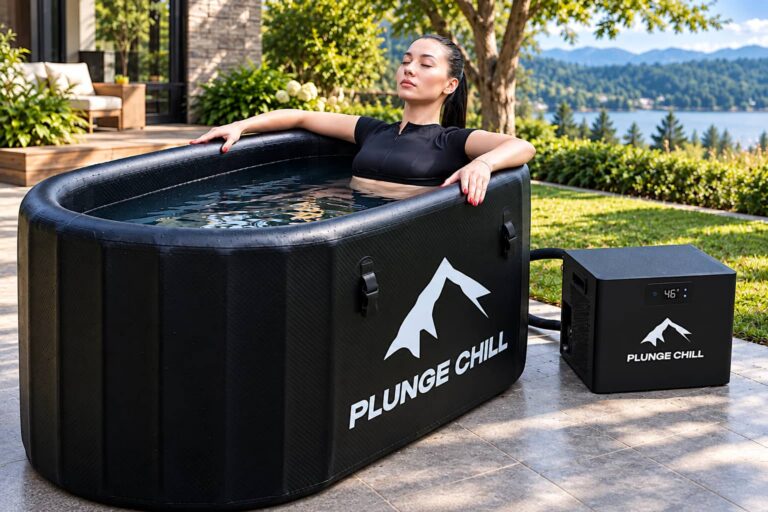
The water temperature fluctuated wildly, causing my body to fight back with prolonged, violent shivering—a stress reaction that spikes cortisol and completely ruins your sleep rhythm. To make this protocol work, a dedicated cold plunge chiller is non-negotiable. Keeping the water locked perfectly within the therapeutic 50–59°F window removes the volatility, turning setups built by specialised brands like Plunge Chill into a dependable recovery tool rather than a daily headache.
FAQ
1. Is freezing water always better if you are trying to fix your sleep?
Absolutely not. Cranking the water below 45°F (7°C) creates too much of an emergency alarm for your brain, triggering a massive adrenaline dump that will keep you awake hours later. Staying in the 50°F to 59°F (10°C to 15°C) range is the sweet spot to lower core temperature and drop into a parasympathetic state without overstimulating your brain.
2. What should I do if I can’t stop shivering after getting out?
Long-lasting shivering means you stayed in too long or went too cold, forcing your muscles to create heat through friction, which drives your heart rate straight up. If this happens, bring your immersion time back down to 2 or 3 minutes. The goal is passive heat dumping, not violent survival shivering.
3. Does a morning plunge still help me sleep better at night?
Yes, but through a different mechanism. A morning plunge gives you a healthy, early-day spike in focus and cortisol. This sharp morning peak essentially sets your internal circadian clock, establishing a clear neurochemical baseline that allows your body to produce melatonin more naturally fourteen to sixteen hours later when it’s time for bed.
Conclusion: Making Sleep Your Ultimate Recovery Asset
If tracking my metrics taught me anything, it’s that true health isn’t defined by how hard you push yourself during a training session; it is defined by how deeply you recover when the day is done.
A cold plunge is far more than an uncomfortable test of mental toughness or a quick fix for sore muscles. It acts as a manual control switch for an overworked nervous system and a reset button for your internal biological clock.
By strategically forcing a core temperature drop and managing your evening hormones, you take active control over your recovery patterns instead of leaving your rest to chance.
When you align your body’s internal temperature with your natural sleep cycle, you turn your nights into an active restoration process that fuels your daily performance.