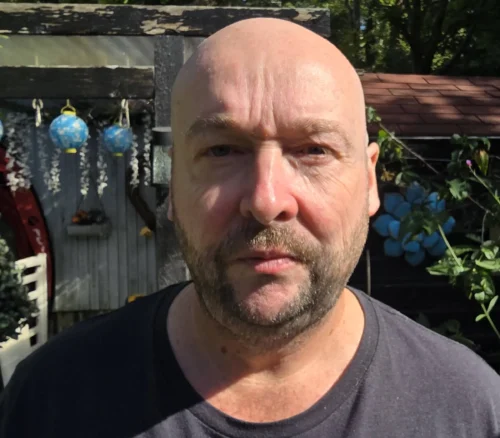
Struggling to stay active in winter? Personal trainer Leon Bolmeer explains how short, realistic workouts can stop inactivity becoming a habit.
If you are wondering how to stay active in winter, the most useful answer is also the least glamorous: make movement easier to start.
Dark evenings, colder weather and a warm sofa are formidable opponents largely because they ask so little of you. A workout, by contrast, requires shoes.
That does not mean autumn and winter demand a punishing new regime. Leon Bolmeer, a personal trainer and fitness expert at Geezers Boxing, argues for something more sustainable: keep enough movement in your week that stopping altogether never becomes the default.
“It’s really easy to tell yourself you’ll get back into exercise when the weather improves, but a few weeks of doing nothing can quickly turn into months,” says Leon.
The point is not to preserve a perfect summer schedule under increasingly uncooperative skies. It is to protect continuity.
Winter fitness starts by lowering the bar

One of the more reliable ways to abandon exercise is to make every session feel like an appointment with destiny. If the only workout that counts is an hour-long gym visit, then a busy day, late finish or miserable evening can cancel the whole enterprise.
Bolmeer suggests using smaller windows instead.
“Don’t make exercise harder than it needs to be,” Leon adds. “If you’ve only got 15 or 20 minutes, that’s still enough time to get your heart rate up and do something worthwhile.”
That is a useful shift in standards. Fifteen minutes is not an impressive number on a training plan, which may be precisely why it works. It is difficult to dramatise, difficult to postpone until January and, crucially, easier to repeat.
Motivation is a poor winter training partner
Motivation tends to receive more credit than it deserves. It is pleasant when it appears, but building a routine around waiting to feel enthusiastic about exercise is particularly shaky once the evenings get darker.
A more practical approach is to decide in advance what a realistic week looks like. That might mean two short sessions rather than five ambitious ones. The smaller plan may look less impressive on paper, but paper has never had to leave the house in the rain.
The aim is not to prove discipline. It is to remove enough friction that movement continues even on ordinary days.
Keep an indoor option ready
Bad weather becomes a much weaker excuse when there is already a Plan B.
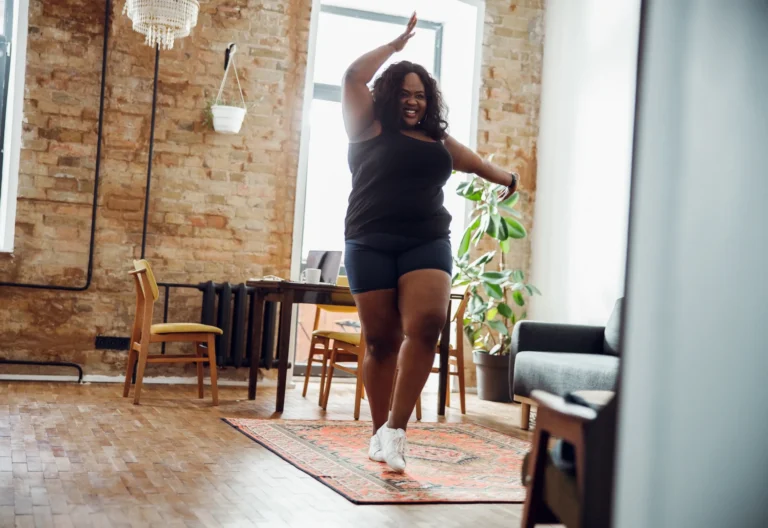
A short home strength session, a few minutes moving to music or a boxing workout can all provide ways to stay active without negotiating with the forecast. Boxing is particularly adaptable because a session can be built around combinations, footwork or conditioning rather than a long gym visit.
“Boxing can be a good option because you can keep it varied and energetic without needing to spend hours in the gym. You can work on combinations, footwork or conditioning and get a decent workout in a relatively short space of time.”
The broader lesson matters more than the activity itself: choose something that can survive the conditions that usually derail you.
Short sessions still count
There is a tendency to treat shortened workouts as failed versions of “proper” exercise. That thinking is not especially useful if it leaves you doing nothing.
A manageable session keeps the habit intact. It also removes the all-or-nothing logic that can turn one missed evening into a missed week. You are not trying to recreate July indoors under artificial light; you are trying to keep moving.
For some people that may be a brief strength circuit. For others, shadow boxing, footwork drills or a brisk indoor session may be easier to face. The best choice is not necessarily the most technically complete workout. It is the one you are likely to begin.
Build the routine you can actually keep
Bolmeer’s advice is notably free of seasonal theatrics. There is no need to wait for New Year resolve, nor to pretend colder months should look exactly like summer.
“Don’t think you need to wait until January to make a change,” says Leon. “Keeping active through autumn means you’re much more likely to head into winter feeling good and, importantly, you’re not starting from scratch when spring comes around.”
That leaves one useful test for any winter exercise plan: can you still imagine doing it after a long day, when it is dark outside and enthusiasm has gone missing?
“Make it enjoyable, keep it manageable and find something you actually look forward to doing. That’s going to make staying active through the colder months much easier.”
A winter routine does not need to be heroic. It needs to be repeatable. The plan that survives is usually the one you can still face when the sofa is making a very reasonable counter-offer.