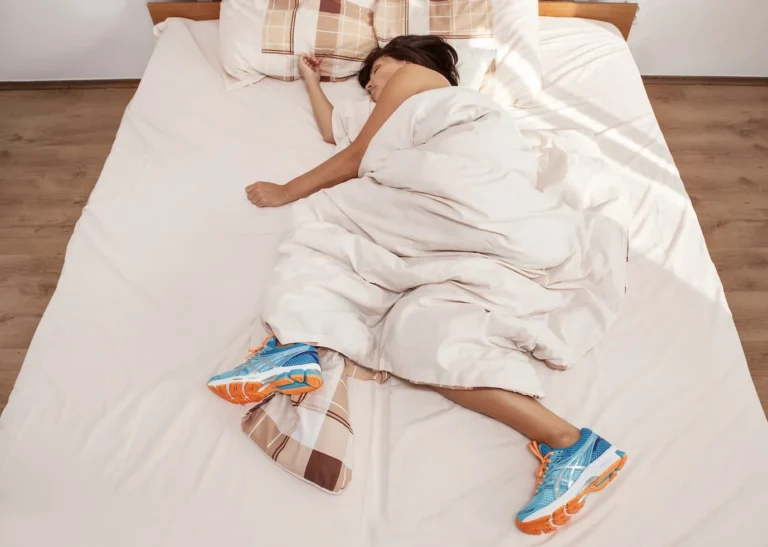
Here's our top five tips for maintaining your exercise regime during that difficult time of month
Exercising on your period can feel like a ridiculous suggestion when your stomach is cramping, your energy has packed a small bag and left town, and your mood is swinging like a badly maintained gate. But before you declare the sofa a medical necessity and reach for the emergency chocolate, movement may be worth considering.
Not heroic movement. Not punishment dressed up as wellness. Just the kind of sensible, body-aware exercise that can help ease cramps, improve circulation and lift the mental fog that often turns up with menstruation like an unwanted house guest.
According to a study from St. Mary’s University, 78 per cent of women surveyed found that exercising reduced symptoms linked to their menstrual cycle. That does not mean every period needs a personal best attached to it. It does suggest, though, that gentle activity can be more useful than many people assume.
Why Exercise Can Help Period Symptoms
During menstruation, progesterone and oestrogen dip, which can leave you feeling tired, flat or generally like your internal battery is flashing red.
Exercise helps by improving blood flow around the pelvic area, which may ease period pain. It also releases endorphins, the body’s own mood-boosting chemicals, which can support sleep, reduce discomfort and make the day feel less like a negotiation with your uterus.
Kath Clements, Director of Mooncup, the original, leading, ethical silicone menstrual cup made in Britain, says:
“We’re constantly being told to ‘work towards a better you’. Sometimes that can mean to stop, rest and recover, with your period as a cue to hit pause.
But other times, it’s time to shake things up and release. It’s down to you to know the activity level that’s right for you one cycle at a time, but it’s good to understand some of the benefits of exercising on your period.
Progesterone and oestrogen dip during menstruation. This can make you feel tired and less energetic, but choosing the right type of exercise could make you feel better.”
That is the key. Exercising on your period is not about forcing your body into submission. It is about reading the room — and in this case, the room is hormonal, slightly irritated and may require snacks.
Choose Something You Actually Enjoy
There is no great spiritual reward for dragging yourself to a circuit class you despise when your body already feels like it is filing a complaint.
If you hate an exercise on a good day, your period is unlikely to turn it into a treasured ritual. The best workout is often the one you will actually do.
Low-intensity exercise can be particularly helpful. Swimming is a strong option because the buoyancy of the water supports the joints and can soothe a sore back. It also encourages endorphin release, which may act like a natural painkiller.
Yoga is another useful choice. It is low impact, the breathing can help relax the nervous system, and gentle stretching may reduce cramping, breast tenderness, muscular fatigue and soreness.
Walking, light cycling and mobility work also have their place. None of it needs to look impressive. It just needs to help.
Can You Run During Your Period?
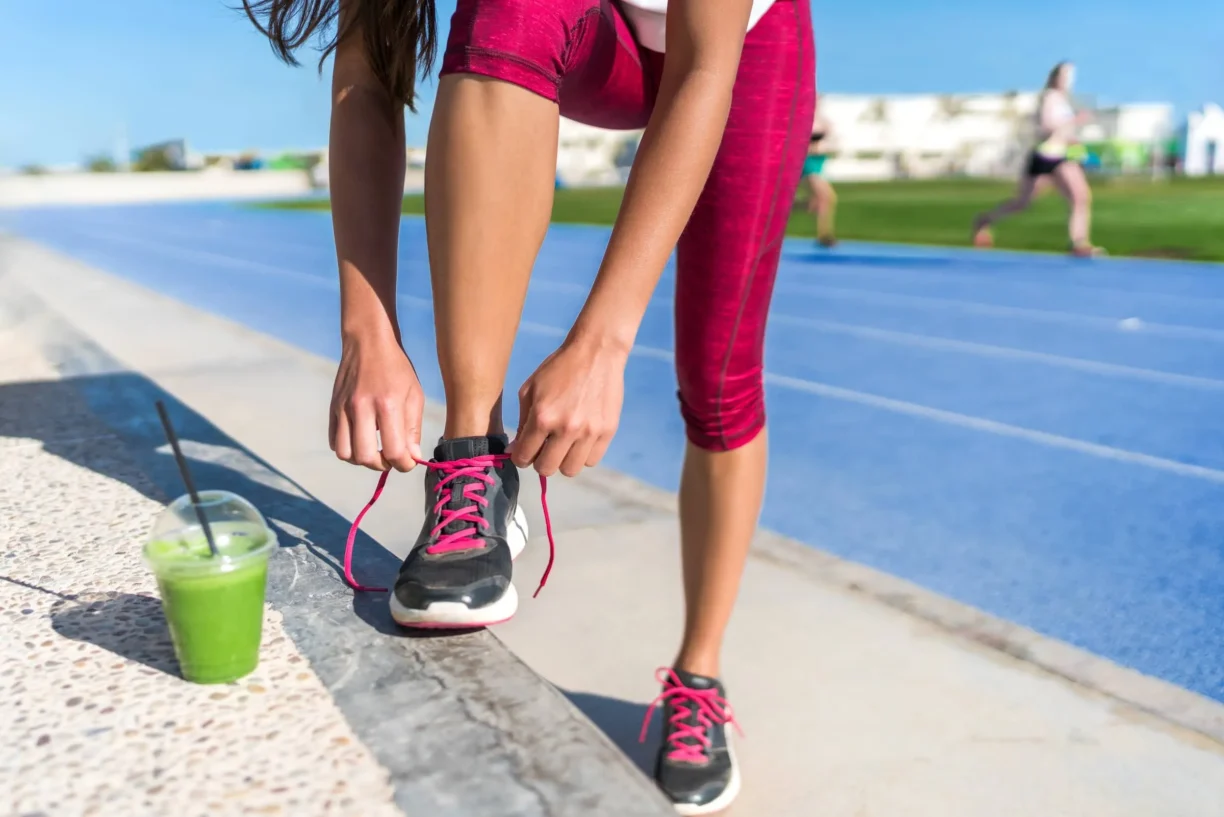
One of the more persistent myths is that running during your period is somehow off limits. For many women, that simply is not true.
Research suggests that as aerobic exercise increases, PMS symptoms may decrease. And while some runs during your period will feel like jogging through wet cement, others may feel surprisingly good.
Gynecologist Dr Julie Levitt explains to Runner’s World***; “Your body knows it’s not getting pregnant, so its systems aren’t focused on making your uterus into an incubator. Your body can do things other than make babies—including run. Your body’s better able to convert carbs into energy, keep you from overheating, and help you recover.”
There is even elite evidence, if you want the dramatic version. Paula Radcliffe famously broke the world record in Chicago in 2002 after suffering period cramps throughout the final third of the race.
Of course, most people are not Paula Radcliffe. Most people are just trying to get through a 5K without making a formal complaint to their own pelvis. But the point stands: your period does not automatically rule you out.
How Exercise May Ease Bloating
Bloating is one of the more irritating features of the menstrual cycle. Women can gain between five and ten extra pounds of water before and during their period, which explains why clothes can suddenly feel as though they were designed by someone with a grudge.
Exercise may help reduce that heavy, swollen feeling because sweating allows water to leave the body. Movement can also support digestion and energy levels, both of which can take a knock when cravings and tiredness collide.
That said, cutting back on water is the wrong move. Drinking less does not solve water retention. In fact, staying hydrated helps the body flush things through more effectively, especially if you are exercising.
Aim for around two litres of water a day, and consider reducing salt and caffeine if bloating is especially noticeable.
Comfort Matters More Than Willpower
Even when motivation is there, comfort can be the dealbreaker.
After cramps and low energy, fear of leaking or discomfort is one of the most common reasons women avoid exercise during their period. Pads can shift. Tampon strings can rub. Running and cycling can turn minor irritation into the sort of issue that makes you reconsider the entire sport.
This is where preparation matters. Choosing period protection that feels secure, emptying or changing it before exercise, wearing breathable kit and avoiding anything that digs in can make a real difference.
For those using a menstrual cup, it is sensible to get used to it before relying on it for a competitive swim, long run or gym session. Nobody wants new logistics halfway through a workout. That is not fitness. That is admin with sweat.
Should You Use Pain Relief Before Training?
Exercise can be a natural way to ease menstrual pain, but some days need extra help.
Taking paracetamol or similar pain relief around 30 minutes before exercise may make a workout feel more manageable for some women. Studies have shown that pain relief can help regulate temperature and may even lengthen the amount of time you can exercise.
Still, pain should not be ignored. If period pain is severe, worsening, unusual, or regularly stops you from living normally, it is worth speaking to a qualified healthcare professional.
A workout should never feel like punishment. There is a difference between mild discomfort and your body waving a red flag.
Listen To The Cycle You Are In
The most useful advice around exercising on your period is also the least glamorous: adapt.
Some cycles will allow for running, swimming or strength work. Others will call for yoga, walking or rest. Both are valid. The body is not a spreadsheet, and it does not care what your training plan said three weeks ago when everyone was optimistic.
The real win is learning when to move, when to ease off and when to stop entirely.
Period exercise is not about being tough. It is about being smart enough to work with your body rather than charging at it like a bull in Lycra.
And if a gentle session leaves you feeling brighter, looser and slightly more human, that is not a small result. That is a very decent day’s work.