PT Sam Stones explains Hot Pilates, why it works, and five winter benefits for mood, mobility and recovery.
Hot Pilates is fast becoming the workout of the moment, with searches for the trend climbing to over 49,000 a month — a 50% jump from previous months. That’s a lot of people swapping winter hibernation for a heated studio and a very particular kind of burn: the polite, low-impact sort that somehow leaves you trembling like a newborn foal on the way back to the car.
And it makes sense. The new year arrives with its usual fanfare — big promises, bigger jumpers, and a collective desire to feel a bit more like ourselves after the festive season has done its work. When the days are short and the sofa is calling your name like a long-lost friend, workouts that build strength, steady the head and deliver an endorphin lift are suddenly less “nice idea” and more “non-negotiable”.
Beauty and wellness experts at Fresha have been looking at why Hot Pilates is rapidly taking over gym schedules across the UK. They spoke with qualified PT Sam Stones, who says the appeal is simple: you get the control and core-focus of Pilates, with the extra edge that only a warm room can provide.
What is Hot Pilates, exactly?
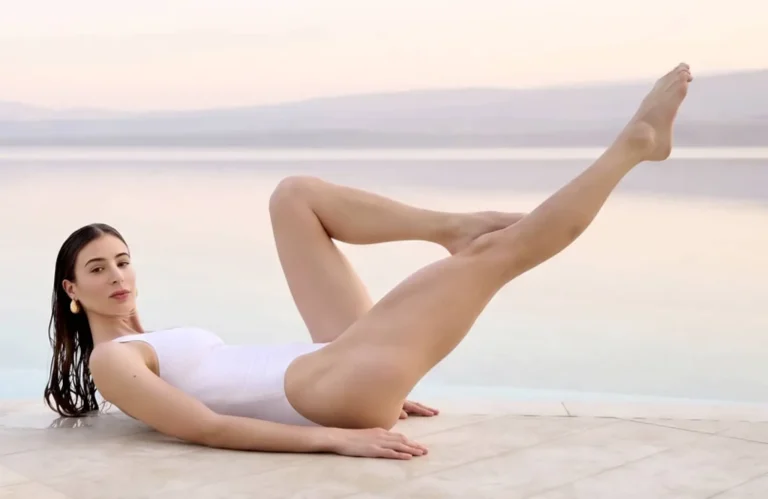
@carlottagagna Hai sempre voluto provare l’Hot Pilates? Prova subito questi esercizi di Hot Pilates per bruciare calorie (il caldo aumenta le calorie bruciate durante l’allenamento), sgonfiare l’addome, eliminare le tossine e migliorare l’aspetto della tua pelle. Normalmente l’Hot Pialtes viene praticato a 35 gradi, quindi puoi ottenere lo stesso risultato da casa, allenandoti sfruttando il caldo dell’estate. Gli esercizi sono un mix di esercizi di pilates abbinati ad esercizi cardio, perfetti per una bella sudata e per tonificare e scolpire il tuo corpo. Esegui questi 7 esercizi prima con una gamba e poi con l’altra gamba, ripetendoli due volte #hotpilates #panciagonfia #panciapiatta #sgonfiarelapancia #panciapiattasubito #panciagonfiaperenne #gonfioreaddominale #sudare #estate #summer #estate2025 #caldo #dimagrire ♬ suono originale – Carlotta Gagna
If standard Pilates is a crisp white shirt, Hot Pilates is that same shirt after you’ve sprinted for the train in it.
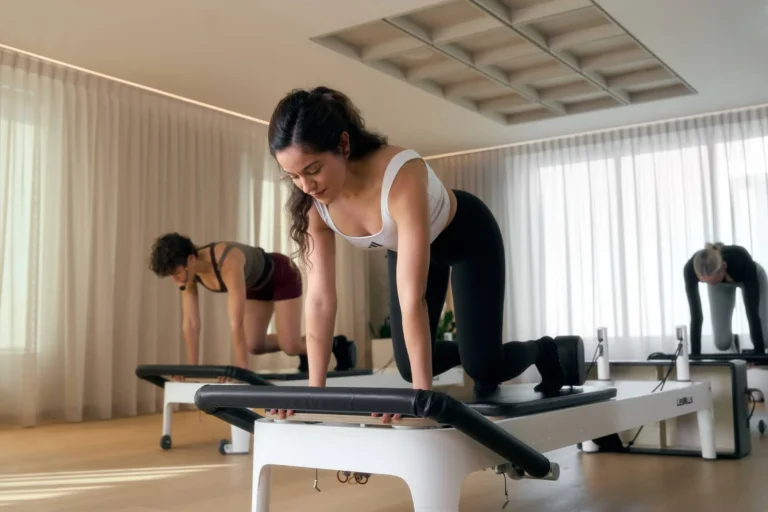
Hot Pilates combines classic Pilates moves with strength work in a heated room. Classes are held at around 35–40°C, which helps raise your heart rate, increase sweat and make the workout feel like a mix of toning exercises and light cardio. The heat also helps your body warm up faster, so movements feel smoother and more comfortable.
Sam says: “The warmer environment allows for greater mobility, deeper stretching and a more cardio-focused feel, all while staying low-impact. People notice stronger cores, better flexibility, improved endurance and sharper muscle definition almost straight away. It’s also perfect after the Christmas period, helping the body recover from indulgence and stress.”
It’s also a perfect choice for winter, because the heat helps your body feel looser, more comfortable and more energised, even on colder days when everything feels a bit stiffer and slower.”
Translation: you don’t spend the first 15 minutes feeling like a rusty gate trying to swing open.
Five benefits people actually notice
Plenty of fitness trends arrive dressed up in fancy language, promise the moon, then disappear before you’ve even washed the matching set. Hot Pilates is sticking around because it answers very real winter problems — stiffness, sluggishness, low mood — while staying accessible.
Here are the five benefits Stones says people feel most after the festive season.
1) It can ease stiffness and improve circulation
“Heat widens blood vessels, increasing blood flow to muscles and joints. This is really important in the winter months when circulation naturally slows down. Hot pilates makes movement feel smoother, more comfortable and more energised helping you recover after holiday overindulgence.”
If you’ve been spending more time in the car, on the sofa, or folded over your phone ordering “just one more” festive treat, that “smooth” feeling is worth its weight in gold.
2) It may help lower-back tension
“The heated environment warms connective tissue, reduces tightness and improves mobility. It’s especially helpful for clients with joint pain or lower-back tension during the winter, when flexibility often decreases.”
This is one of the reasons Hot Pilates appeals to people who want a challenge without high-impact pounding. It asks for effort, not punishment.
3) It can lift mood when winter drags on
“The combination of heat, breathwork and flowing sequences creates a meditative, mood-boosting effect. Hot Pilates can help boost endorphins, helping fight winter fatigue and the low mood often linked to darker days.”
You get the calm focus of Pilates — plus the “I did something good for myself” glow that’s hard to fake on a grey Tuesday.
4) It can unlock flexibility faster in class
“Because muscles are already warm in a heated class, people can achieve greater flexibility straight away. Traditional Pilates builds flexibility more gradually, whereas hot classes allow deeper stretching from the start.”
Worth noting: deeper range doesn’t mean forcing it. Warmth is an advantage, not an invitation to fold yourself into origami.
5) It can feel cleansing while building endurance
“The higher heat increases sweat levels, providing a gentle detoxifying effect,” says Stones. “It also challenges hydration and endurance, making the workout feel both cleansing and energising, perfect for the winter months when many people struggle with colds, flu and general sluggishness.”
The key word there is hydration. If you try Hot Pilates and ignore your water bottle, you’ll learn a lesson you won’t enjoy repeating.
Who is Hot Pilates best for?
Hot Pilates is not just for the already-bendy, already-toned, already-sorted crowd who look like they were built in a lab. In fact, part of its popularity is that it meets a wide range of people where they are — especially in winter.
Sam adds: “Whether you’re a first-timer or levelling up an existing routine, Hot Pilates is ideal for anyone wanting a challenging but low-impact workout. It’s also great for people looking to strengthen joints or prevent injury, those wanting a routine they can stay consistent with, and anyone fighting winter sluggishness, stiffness or low mood.
Pilates works through repetition, not exhaustion. Consistency always beats intensity for long-term results. Many newcomers go “oo hard, too soon, mixing too much variety with too little consistency, a combination that easily leads to burnout and slower progress.”
That’s the modern trap: treating January like a fitness auction where the highest bidder wins. It doesn’t. The winners are the people who show up, do the basics well, and keep showing up.
How to start Hot Pilates without getting cooked
If you’re new to the format, you don’t need heroics. You need a plan.
- Arrive early so you’re not rushing into heat with a heart rate already spiking.
- Hydrate properly beforehand and bring water. In a heated class, it’s not optional.
- Eat lightly if you need fuel — think practical, not festive leftovers.
- Tell the instructor you’re new so they can offer modifications.
- Start with 1–2 sessions a week and build from there. Your body adapts; your ego just complains.
And yes, you will sweat. That’s not a failure. That’s the point.
The best way to get results (and keep them)
Hot Pilates is having its moment, but it’s not magic. It’s simply a smart, structured way to build strength, control and resilience — particularly when winter makes everything feel harder than it should.
Sam concludes: “Start steady, build gradually, and let your body learn the movement patterns. That’s where transformation happens. It’s a fantastic way to start the New Year feeling revitalised after Christmas.”
In other words: don’t try to win January in a week. Choose something you can repeat, and let time do what it’s always done — reward the consistent.
FAQs
Is Hot Pilates suitable for beginners?
Yes — most classes offer modifications. Start steady, prioritise form, and build gradually.
How hot is a Hot Pilates class?
Classes are typically held around 35–40°C.
Is Hot Pilates cardio or strength?
Mostly strength and core work — think controlled Pilates moves that build stability and muscle tone. But because the room’s heated, your heart rate usually climbs too, so it can feel a bit like gentle cardio as well.
How often should I do Hot Pilates?
A good place to start is once or twice a week. See how your body feels, then build up if you’re recovering well and enjoying it.
What should I bring to Hot Pilates?
Bring plenty of water and a towel (you’ll use both). Wear light, breathable kit you can move in, and pack grippy socks if the studio suggests them.